
Wikimedia Commons
Color Theory
Color Theory
Color theory is a set of rules about how colors work. It helps artists pick colors that look good together. There are primary colors that cannot be made by mixing other colors. When you mix primary colors, you get secondary colors. The color wheel shows how all the colors relate to each other. Understanding color theory helps you make better paintings, drawings, and designs.
The Color Wheel
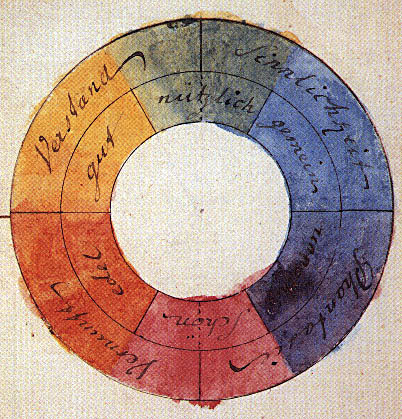
The color wheel is a circle that shows how colors are related. The three primary colors are red, blue, and yellow. When you mix two primary colors, you get a secondary color. Red and blue make purple. Blue and yellow make green. Red and yellow make orange. Colors across from each other on the wheel, like red and green, are called complementary colors. They look extra bright when placed next to each other.
Warm and Cool Colors
Colors can feel warm or cool. Red, orange, and yellow are warm colors. They remind us of fire and sunshine. Blue, green, and purple are cool colors. They remind us of water and ice. Artists use warm colors to make things feel close and exciting. They use cool colors to make things feel far away and calm. Knowing about warm and cool colors helps artists create the right mood in their artwork.
Fun Facts
- The first color wheel was created by Isaac Newton in 1666 after he split white light into a rainbow with a glass prism.
- Complementary colors, like red and green, make each other look brighter when placed side by side.
- There are about 10 million different colors that the human eye can see.
Did You Know?
Isaac Newton created the first color wheel over 350 years ago by bending the colors of the rainbow into a circle!

You finished the article! Great job!