
Wikimedia Commons
Carbon Footprint
Carbon Footprint
A carbon footprint is a way to measure how much pollution we create. It counts the gases we add when we drive, eat, or use power. A big footprint means more pollution. A small footprint means less. Everyone and everything has a carbon footprint, even a loaf of bread.
What Adds to It
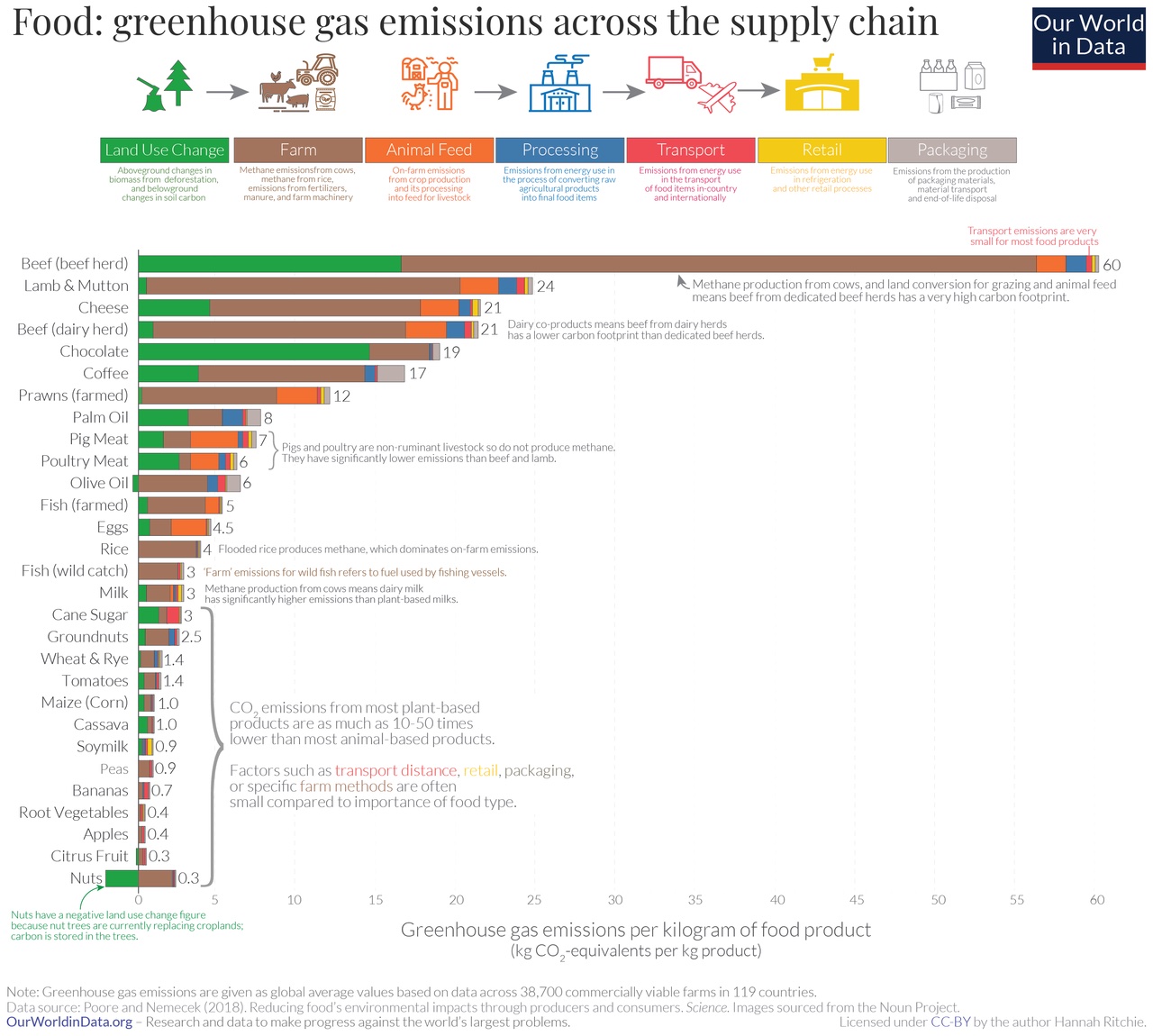
Riding in cars and planes adds to your footprint. Using electricity at home does too, if it comes from burning fuel. Food travels far to reach stores, which also adds carbon. Buying lots of new things uses energy to make and ship them. Even trash in landfills gives off gas.
Shrinking Your Footprint
Turning off lights when you leave a room saves power. Walking or biking to school skips car pollution. Eating fruits and vegetables grown nearby helps too. Reusing items instead of tossing them cuts waste. Small habits add up to a smaller footprint.
Fun Facts
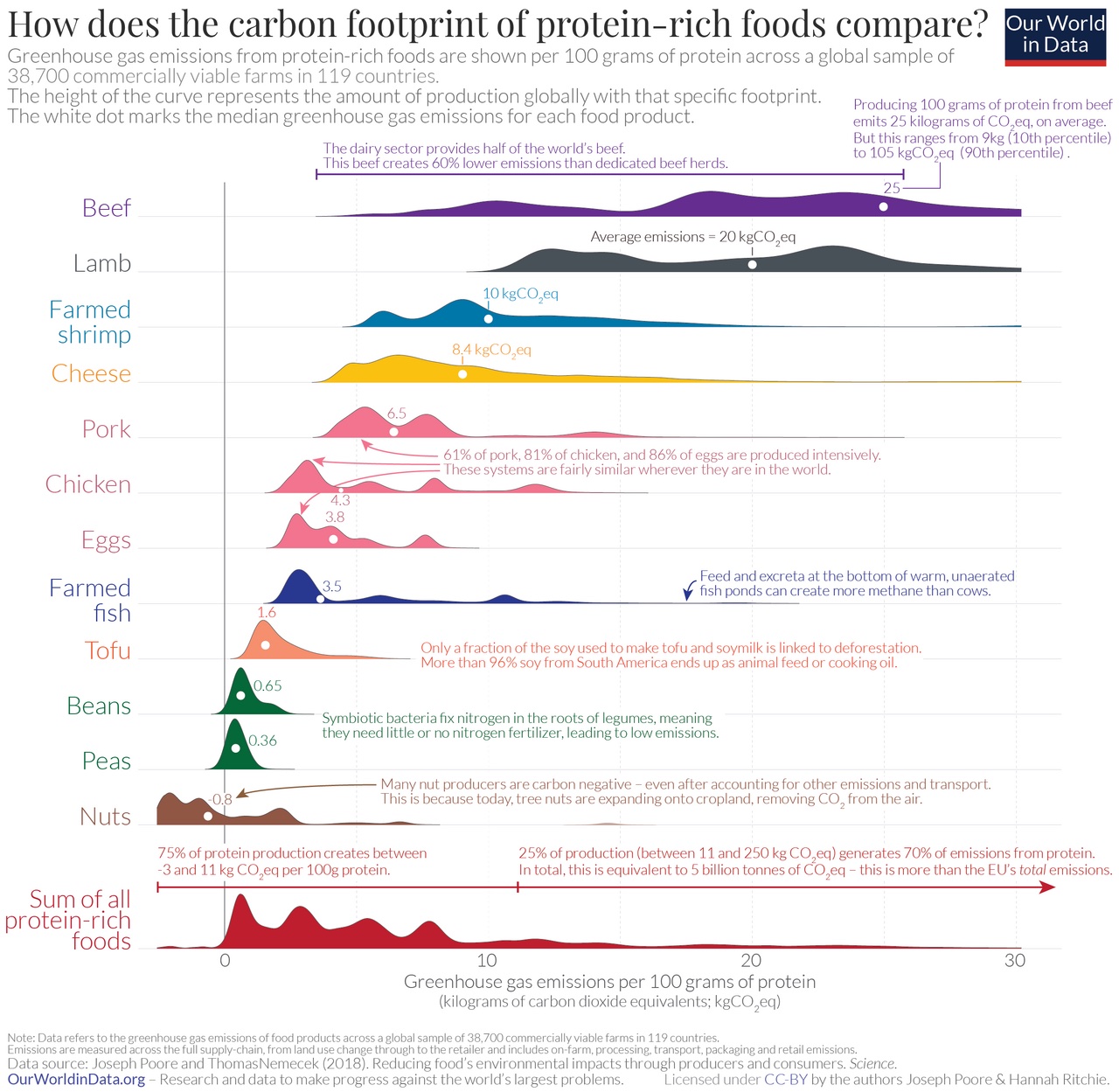
- Beef has one of the biggest food carbon footprints.
- Sending one email makes a tiny bit of carbon, but billions of emails add up.
- A single tree can soak up about 48 pounds of carbon dioxide a year.
Did You Know?
You can use online calculators to guess the size of your own carbon footprint.

You finished the article! Great job!