
Wikimedia Commons
Composting
Composting
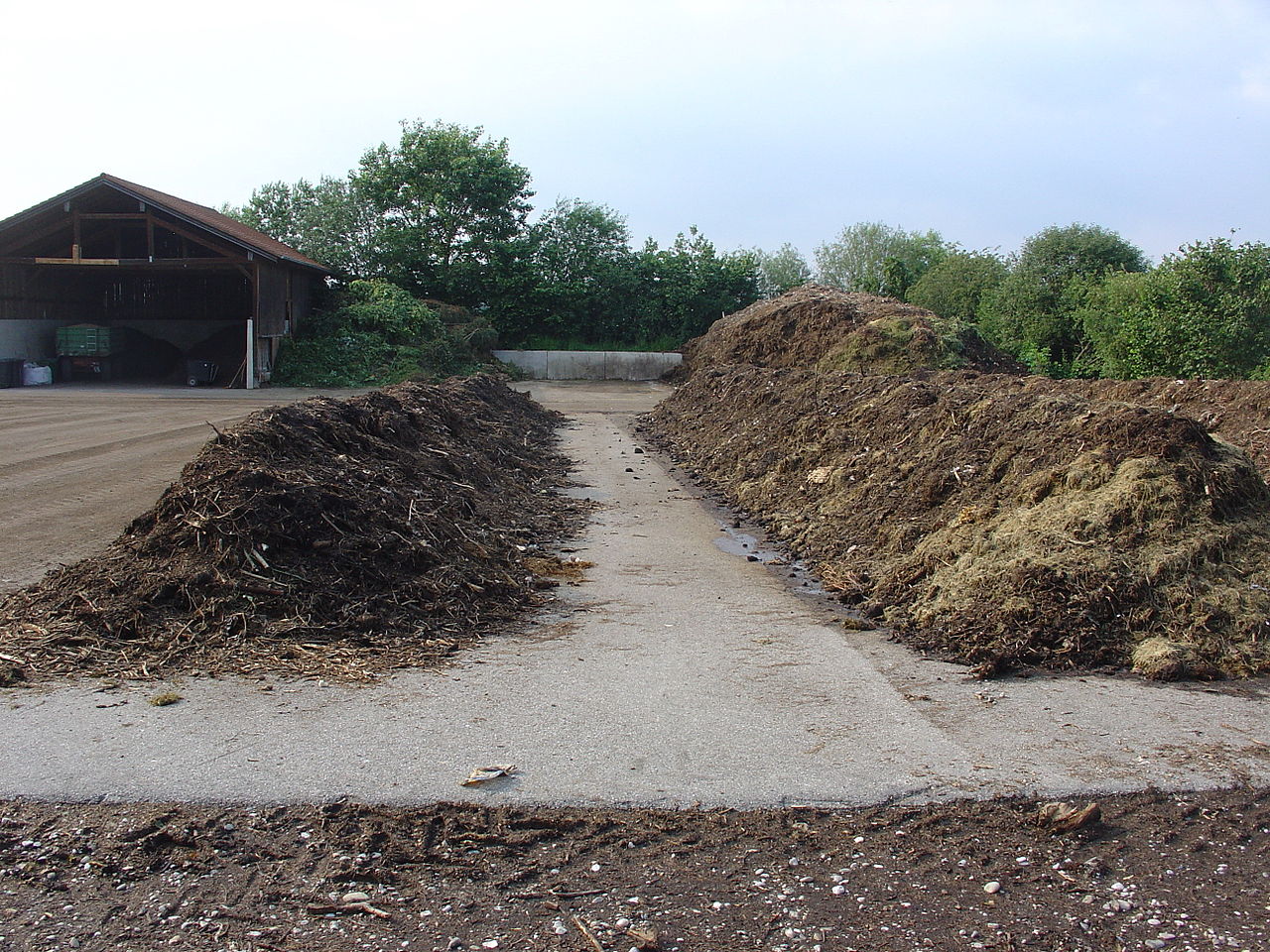
Composting is a fun way to recycle food scraps and leaves. Instead of throwing them in the trash, you put them in a pile or bin. Tiny bugs and germs break them down over time. What is left is a dark, crumbly soil called compost. Gardeners call it black gold because it helps plants grow big and strong.
How Composting Works
A compost pile needs four things. It needs greens like fruit peels and grass. It needs browns like dry leaves and paper. It also needs water and air. Worms, bugs, and tiny germs eat the scraps. As they eat, the pile gets warm. Over weeks or months, the scraps turn into soft, dark compost.
Why It Is Good for Earth
Composting helps our planet in big ways. It keeps food waste out of landfills. In landfills, rotting food makes bad gas that warms the Earth. Compost also helps soil hold water, so plants need less watering. Farmers and gardeners use compost instead of store bought chemicals. That means cleaner food and a cleaner world.
Fun Facts
- A banana peel can turn into compost in about one month.
- One small worm can eat its own weight in food scraps every day.
- A good compost pile can get as hot as 150 degrees Fahrenheit inside.
Did You Know?
About one third of the food made in the world gets thrown away, but composting can turn that waste back into healthy soil for new plants.

You finished the article! Great job!