
Wikimedia Commons
Hydropower
Hydropower
Hydropower uses the power of flowing water to make electricity. Water runs through big machines called turbines, which spin and make power. This kind of energy is clean and does not burn fuel. It has been used for a very long time. Today, many countries get part of their power from water.
How Dams Work
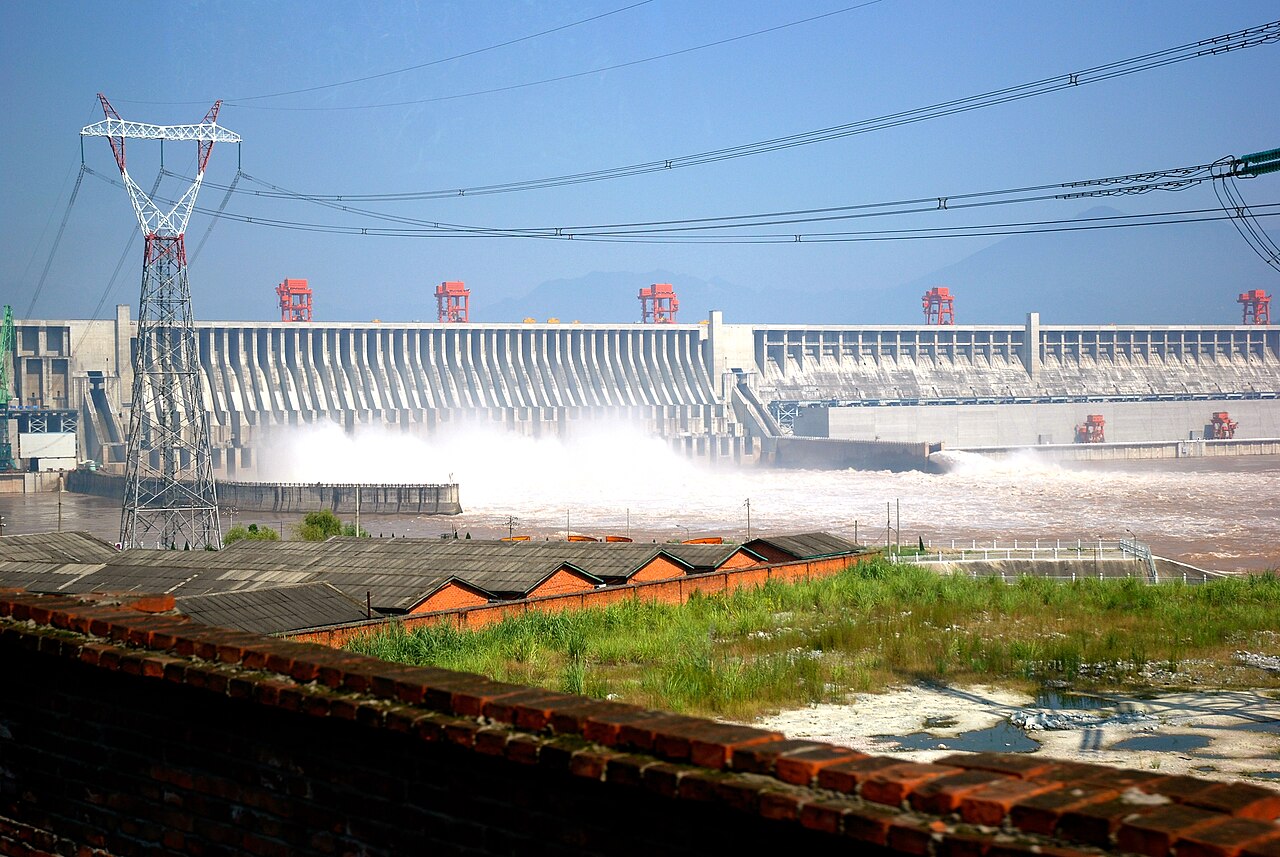
A dam is a wall built across a river to hold back water. The water builds up behind the dam in a lake. When the water is let through, it rushes down and spins turbines. The turbines turn generators that make electricity. Then the water flows on down the river.
Good and Tricky Parts
Hydropower is great because it does not pollute the air. It can also make lots of energy every day. But dams can change rivers and make it hard for fish to swim upstream. Some animals lose their homes when lakes form. Builders try to find ways to help nature and people.
Fun Facts
- Ancient Greeks used water wheels to grind grain more than 2,000 years ago.
- The Three Gorges Dam in China is the biggest hydropower plant in the world.
- Hydropower gives about one sixth of the world's electricity.
Did You Know?
Some dams have special ladders so fish can climb around the wall and swim upriver.

You finished the article! Great job!