
Wikimedia Commons
Peatlands
Peatlands
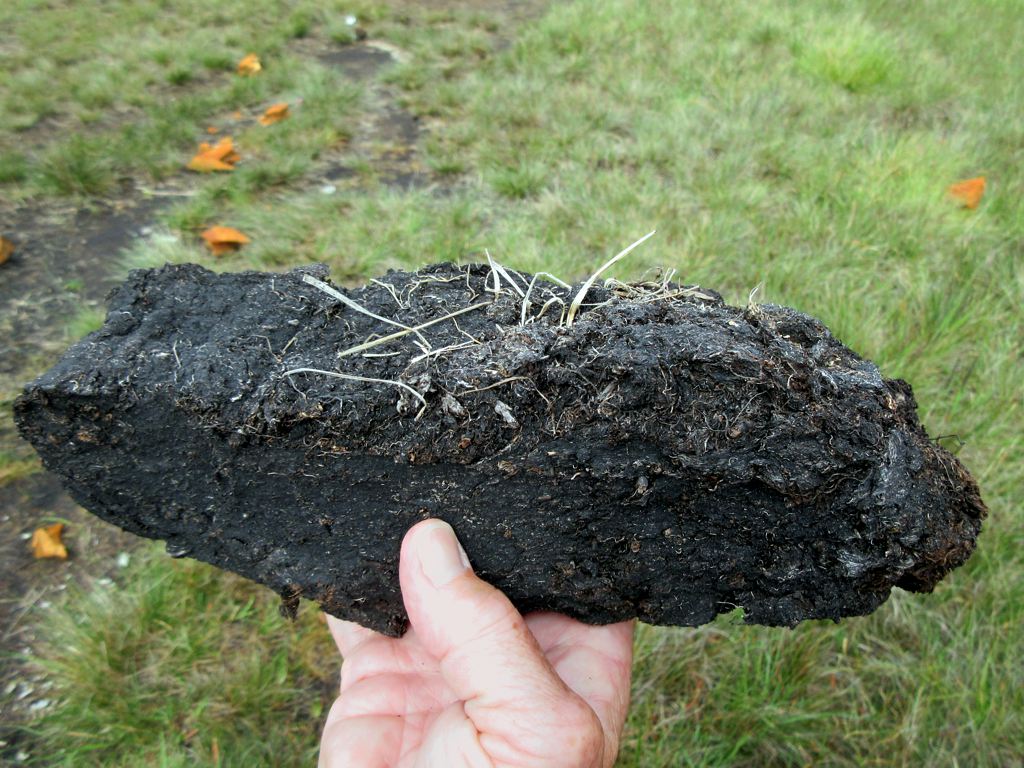
Peatlands are wet, squishy places covered with special moss and plants. When the plants die, they sink into the water instead of rotting away. Over thousands of years, the dead plants build up into thick layers called peat. Peatlands are found in cool, damp parts of the world and they are very important for our planet.
How Peat Forms
Peat starts with tiny plants called sphagnum moss that grow in wet areas. When the moss dies, the water keeps the air out, so it does not rot. New moss grows on top, and the dead layers pile up slowly. After many years, the layers turn into peat. It can take 1,000 years to make just one meter of peat.
Why They Are Special
Peatlands are the best land on Earth for storing carbon. They hold more carbon than all the forests combined. They also give homes to special birds, frogs, and plants. When peatlands dry out or burn, they release carbon into the air and make climate change worse. That is why scientists work hard to protect and wet them again.
Fun Facts
- Peatlands cover only 3 percent of land but hold twice as much carbon as all the world's forests.
- People sometimes find very old mummies perfectly saved in peat.
- Ireland, Russia, and Canada have some of the biggest peatlands in the world.
Did You Know?
A peat bog in Denmark once saved a 2,000-year-old man so well that his skin, hair, and even clothes were still in great shape when he was found.

You finished the article! Great job!