
Wikimedia Commons
Public Transit
Public Transit
Public transit means buses, trains, subways, and trams that many people can ride together. Riders pay a small fee to hop on and travel around their city or town. Public transit helps people get to school, work, and fun places. It is also better for the planet than driving cars.
Types of Transit
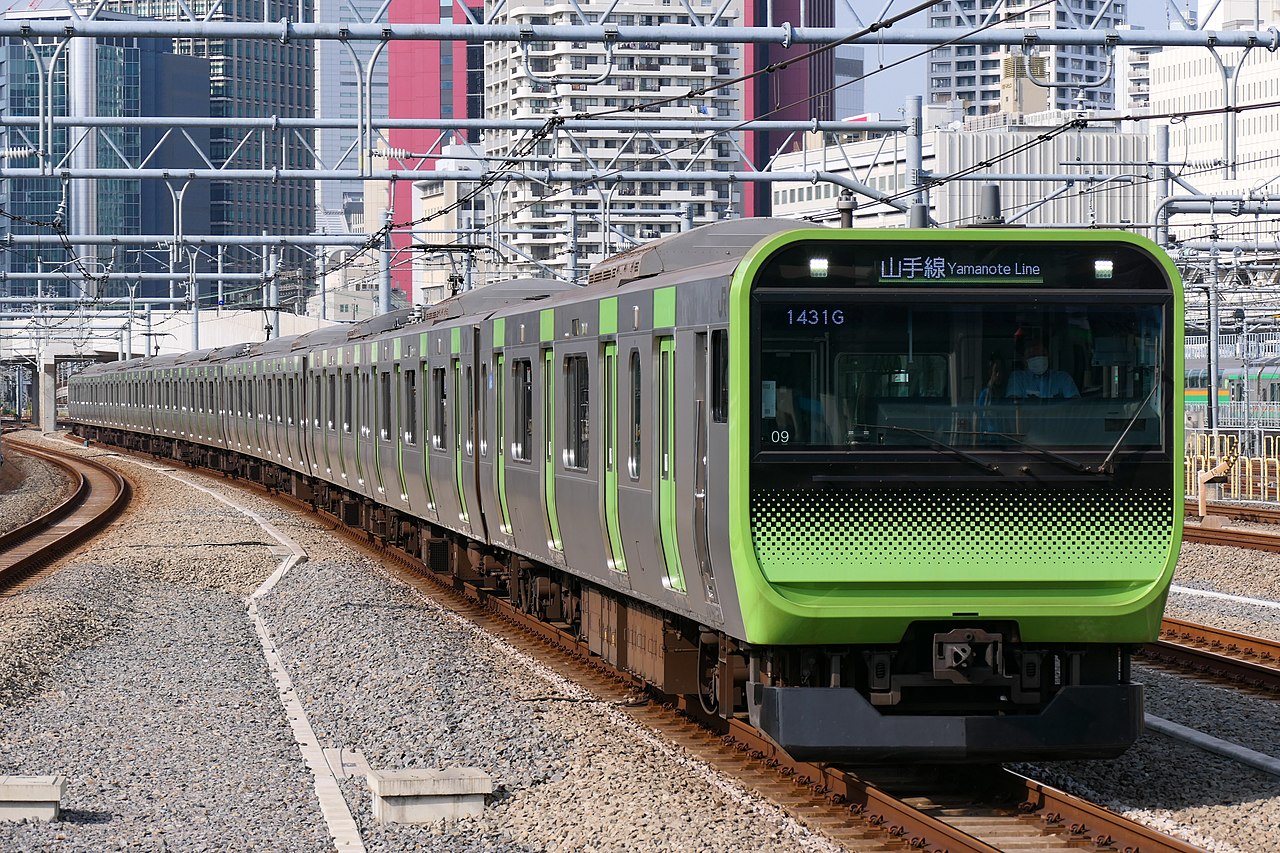
There are many kinds of public transit. Buses travel on roads and stop often to pick up riders. Subways run underground through tunnels. Trains can take people between cities very fast. Some cities have trams or light rail that run on tracks down the street. Big cities often use more than one type.
Why It Matters
When lots of people share one bus, fewer cars are needed on the road. This means less pollution and less traffic. Public transit also helps people who do not have a car. It can be cheaper and faster than driving. Cities with good transit are often cleaner and quieter.
Fun Facts
- The London Underground is the oldest subway in the world and opened in 1863.
- New York City's subway has 472 stations.
- One full bus can take 40 cars off the road.
Did You Know?
Tokyo, Japan has some of the busiest train stations in the world, with millions of riders passing through each day.

You finished the article! Great job!