
Wikimedia Commons
Recycling
Recycling
Recycling helps keep our planet clean. When we throw things away, they can pile up in big dumps called landfills. Instead of throwing stuff out, we can recycle it. That means we take old items and make them into brand new ones. Paper, plastic bottles, glass jars, and metal cans can all be recycled. This saves trees, water, and energy. It also keeps trash out of our rivers, oceans, and forests.
How Recycling Works
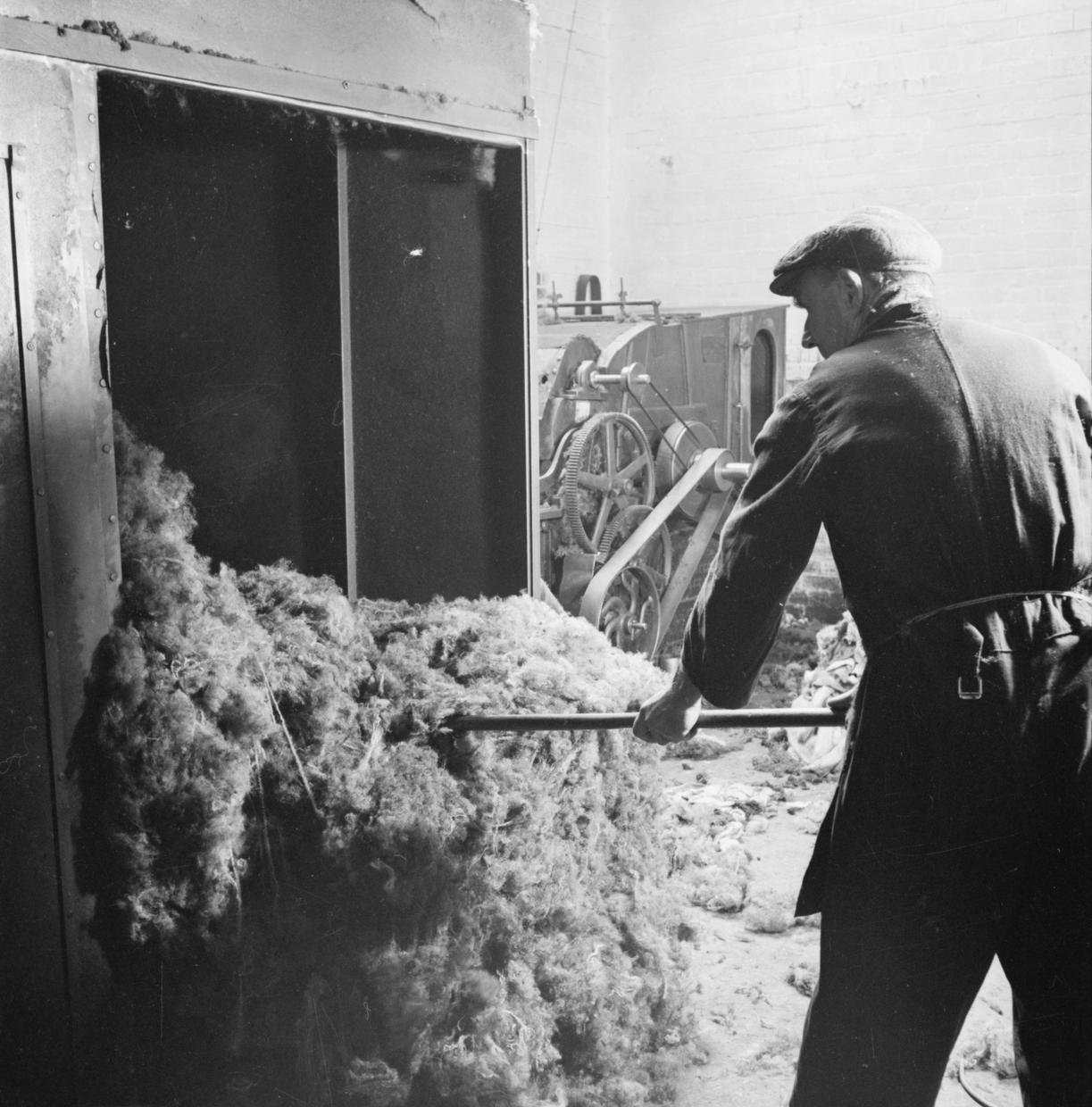
First, you put things like bottles and paper in a special bin. A truck picks them up and takes them to a recycling center. At the center, workers and big machines sort everything into groups. Paper goes in one pile. Plastic goes in another. Then each group is cleaned and crushed. Next, the bits are melted or mashed up. Finally, they are used to make new stuff. A soda can might become part of a bike. An old newspaper might turn into a cereal box.
What You Can Do
Kids can help the Earth by recycling at home and at school. Rinse out cans and bottles before you toss them in the blue bin. Flatten boxes to save space. Use both sides of your paper before recycling it. You can also reuse things in fun ways. Turn an old jar into a pencil holder. Make art from scraps. Remember the three R's: reduce, reuse, and recycle. Every little bit helps our planet stay healthy.
Fun Facts
- Recycling one glass bottle saves enough energy to power a light bulb for four hours.
- An aluminum can you recycle today can be back on the store shelf as a new can in just 60 days.
- Recycling one ton of paper can save about 17 trees.
Did You Know?
The recycling symbol with three arrows was designed by a college student in 1970 as part of a contest, and he won just 2,500 dollars for it.

You finished the article! Great job!