
Wikimedia Commons
Wildlife Reserves
Wildlife Reserves
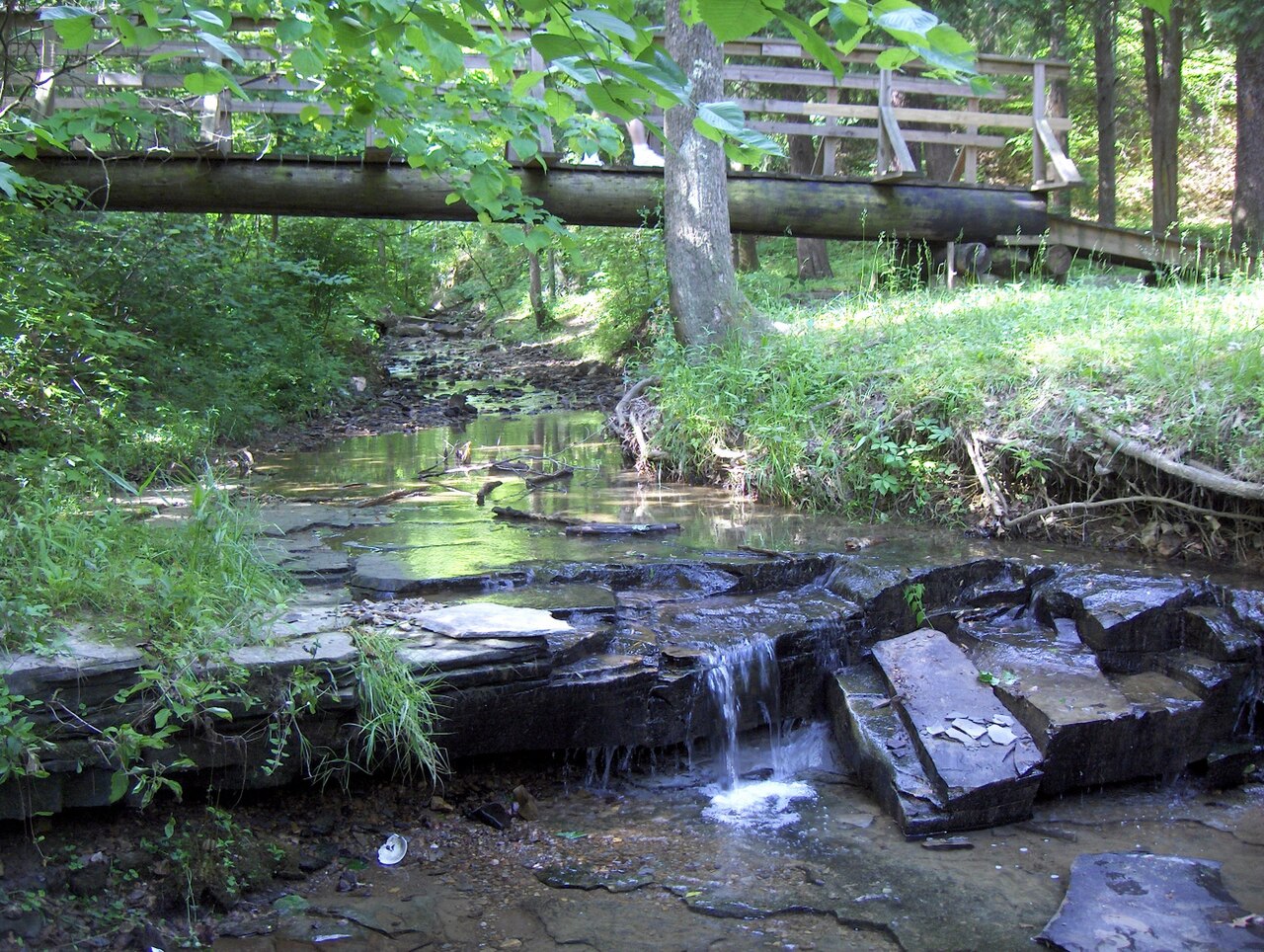
A wildlife reserve, also called a nature reserve, is land saved just for wild things. Animals, plants, and even rivers are cared for there. Hunting and building are usually not allowed. These places help rare animals stay alive. Some reserves are tiny, and some are as big as small countries.
Homes for Animals
Reserves protect animals that might be in danger elsewhere. Elephants, tigers, rhinos, and sea turtles all live in reserves. Park rangers watch over them and stop hunters who break the law. Scientists study the animals to learn how to help them. Without reserves, many species could disappear.
How They Help Nature
Reserves keep forests, wetlands, and oceans healthy. They give plants a safe place to grow and make seeds. Clean water flows through them for animals to drink. Birds use reserves as resting spots on long trips. People can visit some reserves to learn and take photos.
Fun Facts
- The first nature reserve was set up in Sri Lanka over 2,000 years ago.
- Some reserves protect areas under the sea, not just on land.
- Pandas have special reserves in China to keep them safe.
Did You Know?
Some reserves use cameras hidden in trees to spot shy animals without scaring them.

You finished the article! Great job!