
Wikimedia Commons
Arctic Exploration
Arctic Exploration
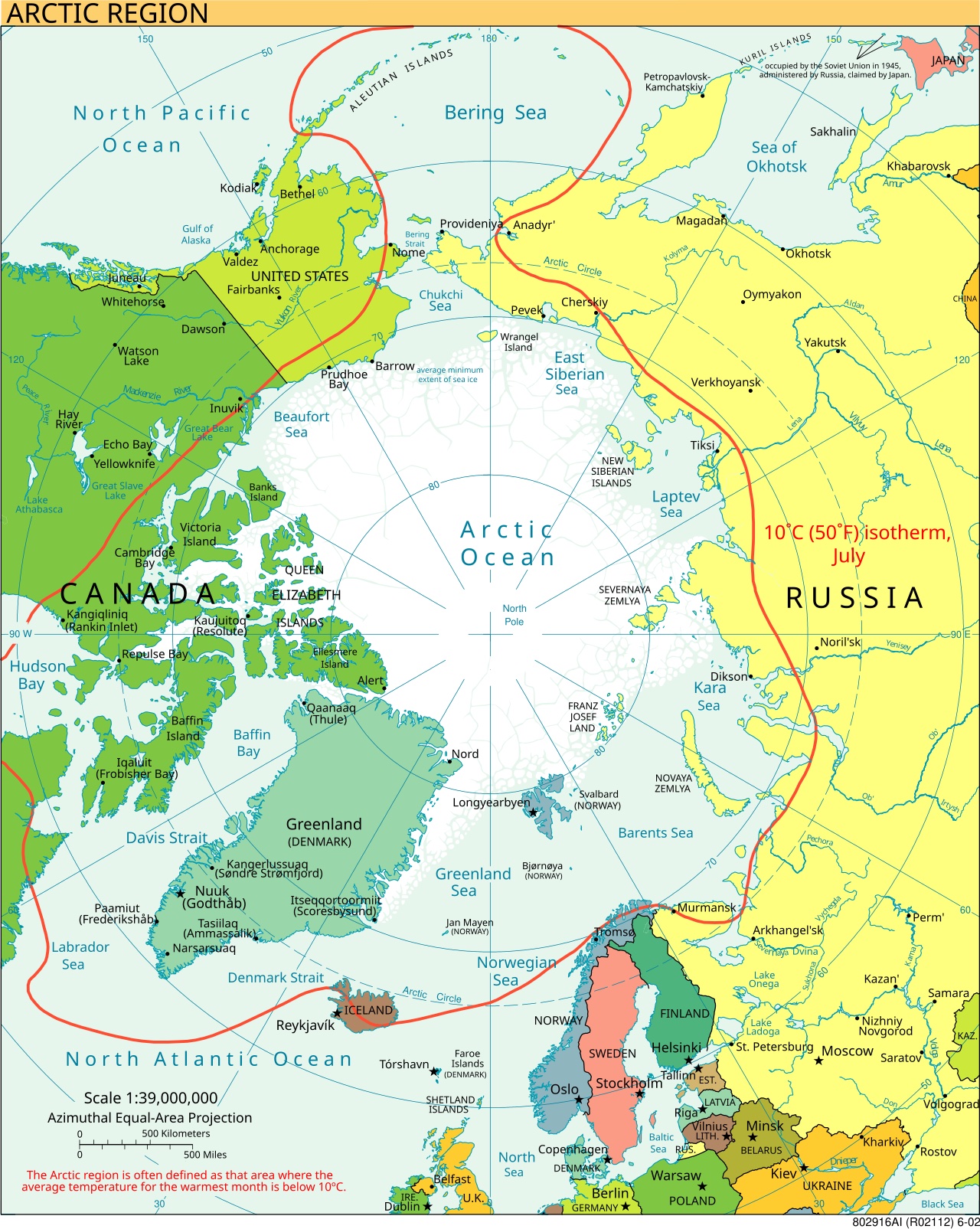
The Arctic is the icy region at the very top of the world. It is full of snow, ice, and freezing seas. For hundreds of years, brave explorers have traveled there to learn about it. They wanted to map the land, find new paths for ships, and reach the North Pole. It was a hard and dangerous job.
Early Journeys
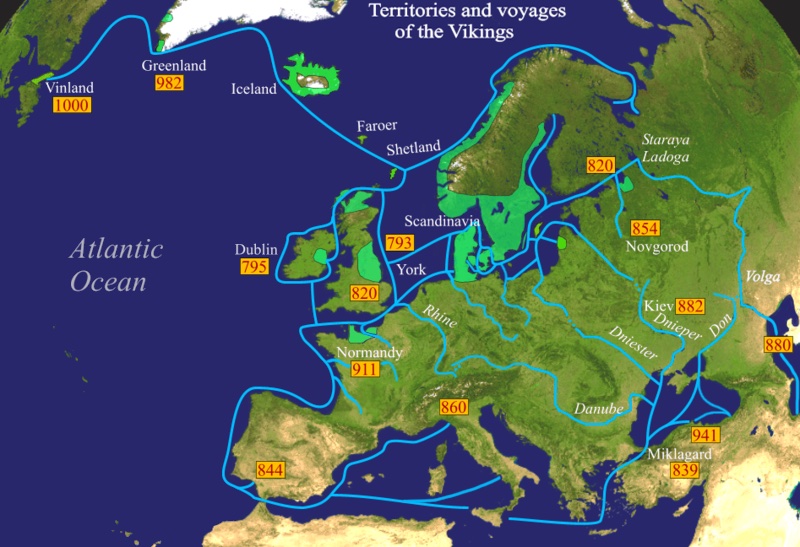
Long ago, people like the Vikings sailed to cold northern places. Later, explorers from Europe looked for a path called the Northwest Passage. They hoped to sail through the icy sea to reach Asia. Many ships got stuck in the thick ice. Some crews had to live on the ice for months. They learned to hunt and stay warm in the freezing cold.
Race to the North Pole
The North Pole is the very top point of Earth. Many explorers wanted to be the first to reach it. They used sled dogs, skis, and boats. In 1909, an American named Robert Peary said he had reached the pole. Today, people still travel to the Arctic. But now they use planes, ships, and science tools to study the ice and animals.
Fun Facts
- The word Arctic comes from a Greek word that means bear, because of the Great Bear star group in the northern sky.
- Explorers often ate seal and polar bear meat to stay alive in the cold.
- In winter, the Arctic sun does not rise for many weeks, so it stays dark all day.
Did You Know?
Some early explorers brought along sled dogs that could pull heavy loads across the ice for many miles each day.

You finished the article! Great job!