
Wikimedia Commons
Volcano Exploration
Volcano Exploration
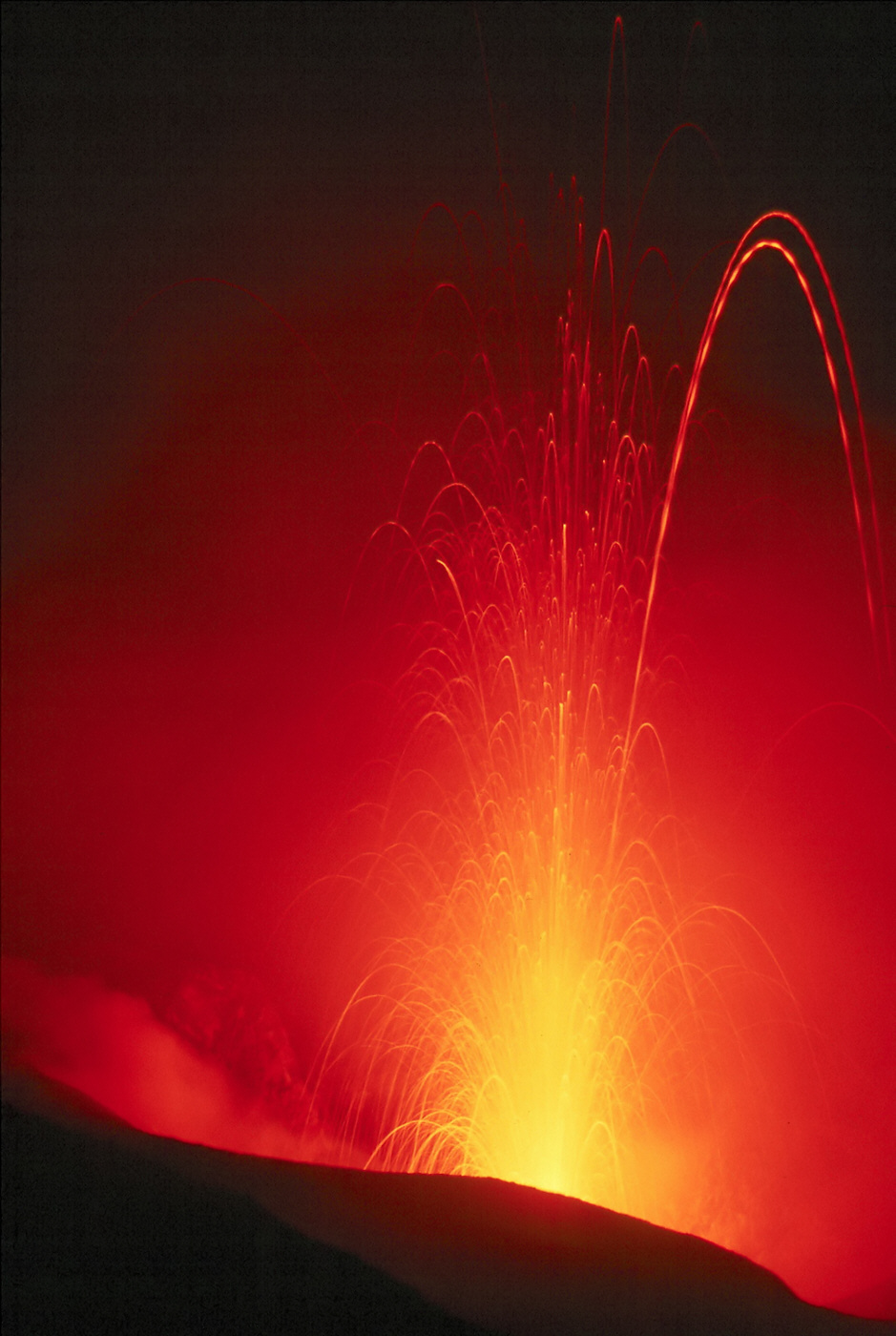
Volcanoes are mountains that can erupt with hot melted rock called lava. Scientists who study them are called volcanologists. They want to learn why volcanoes erupt and how to keep people safe. Exploring volcanoes can be very dangerous. But these brave scientists help us understand our planet.
Studying Volcanoes
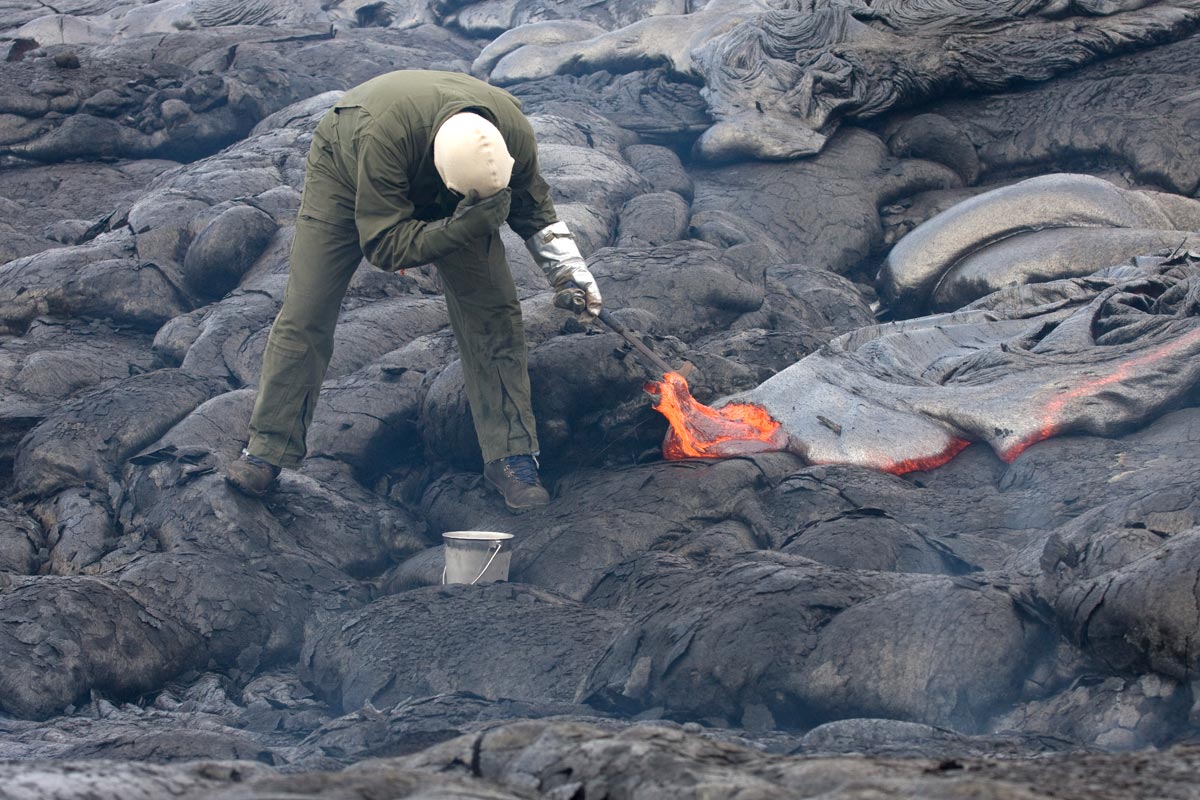
Volcanologists climb mountains and sometimes walk near flowing lava. They wear special suits that protect them from heat. Scientists take samples of rocks, ash, and gases. They use tools to measure shaking in the ground. All this helps them guess when a volcano might erupt.
Why It Matters
More than 500 million people live near active volcanoes. Warning people before an eruption can save many lives. Scientists also learn how volcanoes shape the Earth. Volcanoes help create new land and rich soil for plants. Some even formed whole islands, like Hawaii.
Fun Facts
- Lava can be hotter than 2,000 degrees Fahrenheit.
- There are over 1,500 active volcanoes on Earth today.
- Some volcanoes erupt underwater deep in the ocean.
Did You Know?
The biggest volcano in our solar system is on Mars. It is called Olympus Mons and is three times taller than Mount Everest.

You finished the article! Great job!