
Wikimedia Commons
Lungs
Lungs
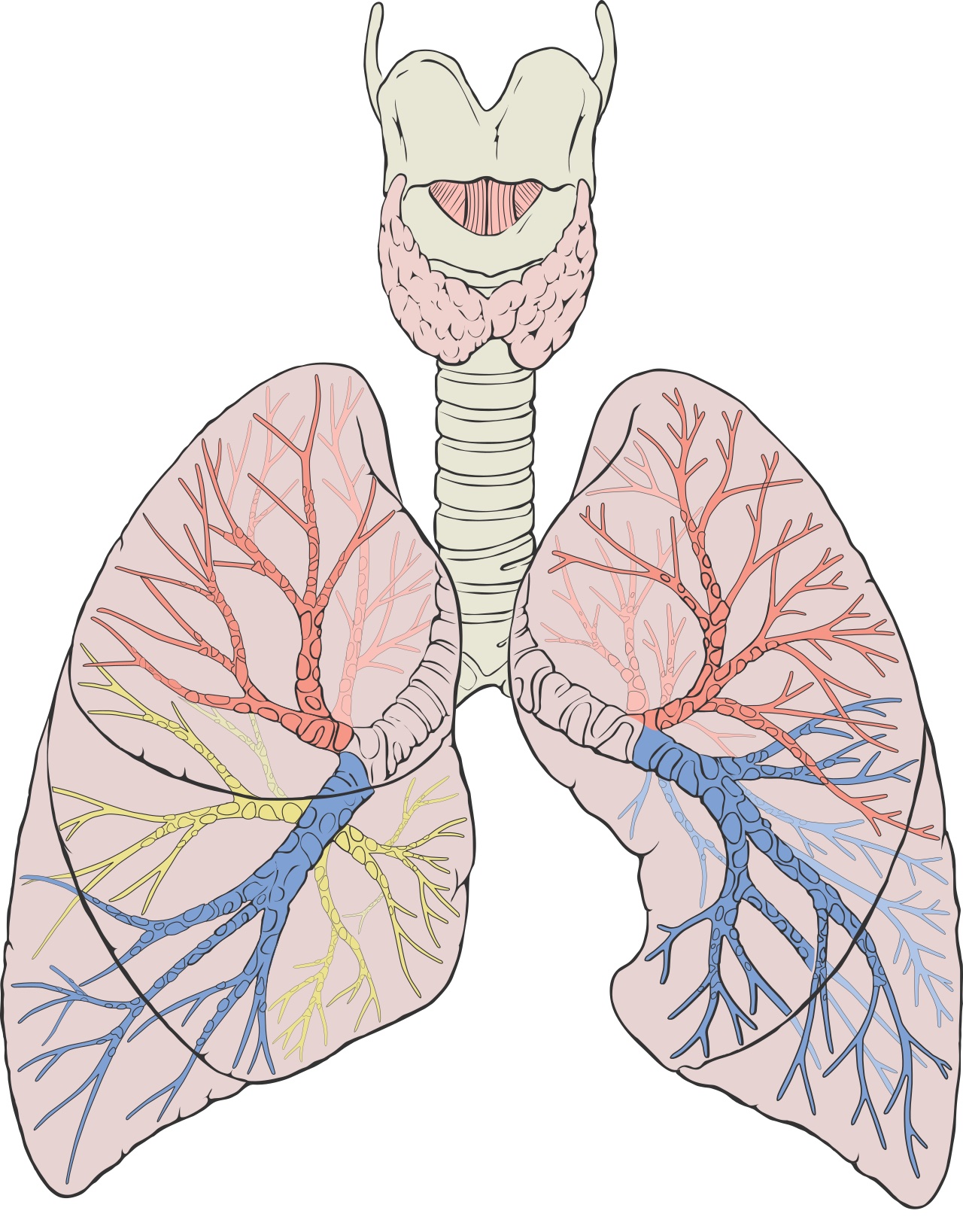
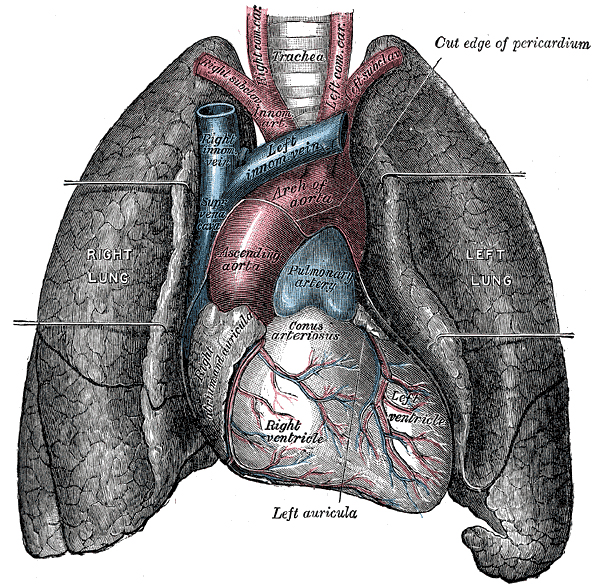
Your lungs are two big, spongy organs inside your chest. They sit behind your ribs, one on each side of your heart. Every time you breathe in, your lungs fill up with air. They take oxygen from the air and send it into your blood. Then they push out a gas called carbon dioxide when you breathe out. Your lungs work all day and all night, even when you sleep.
How Lungs Work
When you breathe in, air goes down a tube in your throat called the windpipe. The air then moves into your lungs through smaller tubes. Inside the lungs are tiny air sacs. These sacs pass oxygen into your blood. Your blood carries the oxygen to all parts of your body. A big muscle under your lungs, called the diaphragm, helps you pull air in and push it out.
Keeping Lungs Healthy
It is important to take care of your lungs. Running, jumping, and playing help make your lungs strong. Breathing clean, fresh air is good for them too. Smoke and dirty air can hurt your lungs and make it hard to breathe. Washing your hands can also help keep germs away from your lungs.
Fun Facts
- Your right lung is a little bigger than your left lung to make room for your heart.
- If you spread out all the tiny air sacs in your lungs, they could cover a tennis court.
- You breathe in and out about 20,000 times every day.
Did You Know?
When you yawn, your body is trying to pull in extra air to give your lungs and brain more oxygen.

You finished the article! Great job!