
Wikimedia Commons
Vaccines
Vaccines
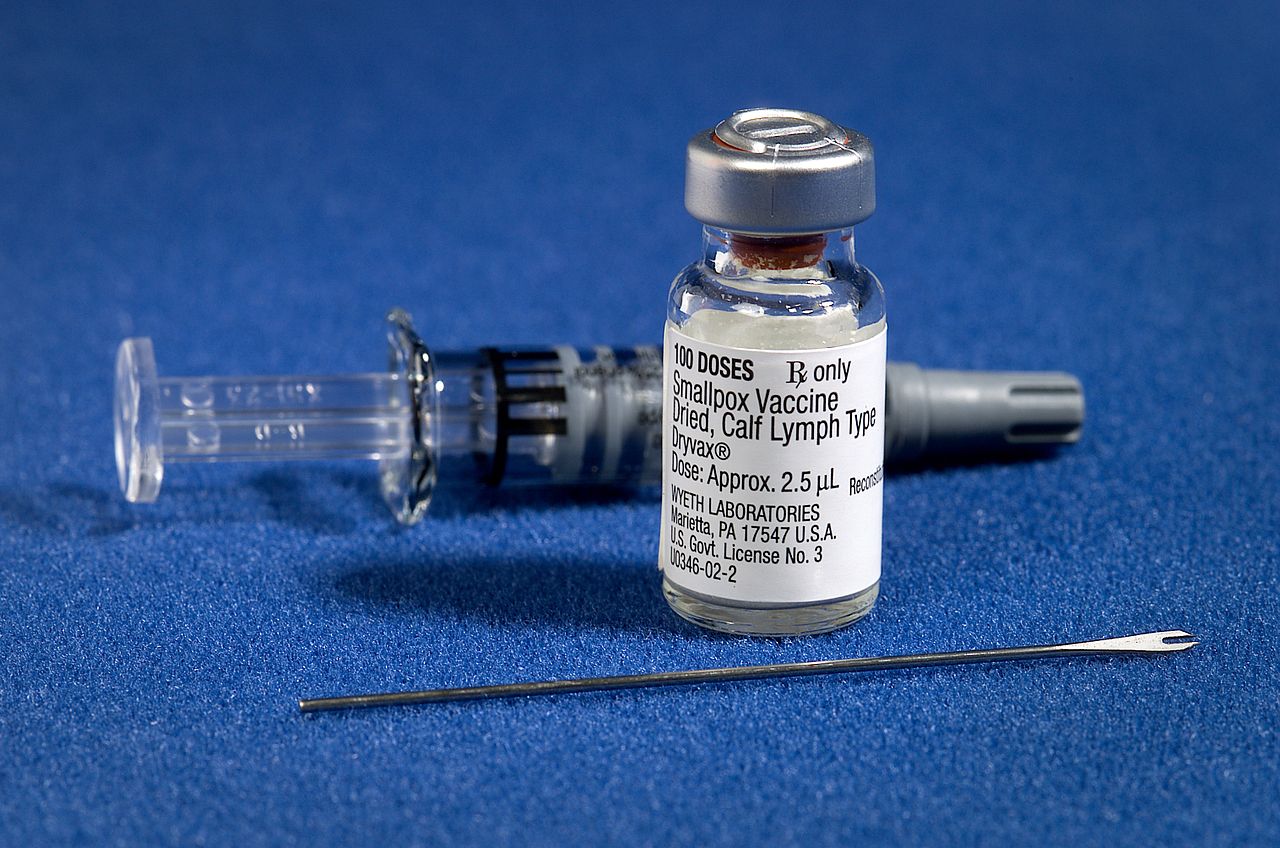
Vaccines are medicines that protect you from some diseases. They usually come as a shot from a doctor or nurse. A vaccine teaches your body how to fight a certain germ. Then, if the real germ comes along, your body already knows what to do. Vaccines have saved millions of lives around the world.
How Vaccines Work
A vaccine has a tiny, harmless piece of a germ or a weak germ inside it. Your body sees the piece and learns how to fight it. This helps your body make special helpers called antibodies. If the real germ shows up later, the antibodies are ready. They attack the germ before it can make you sick.
Why Vaccines Matter
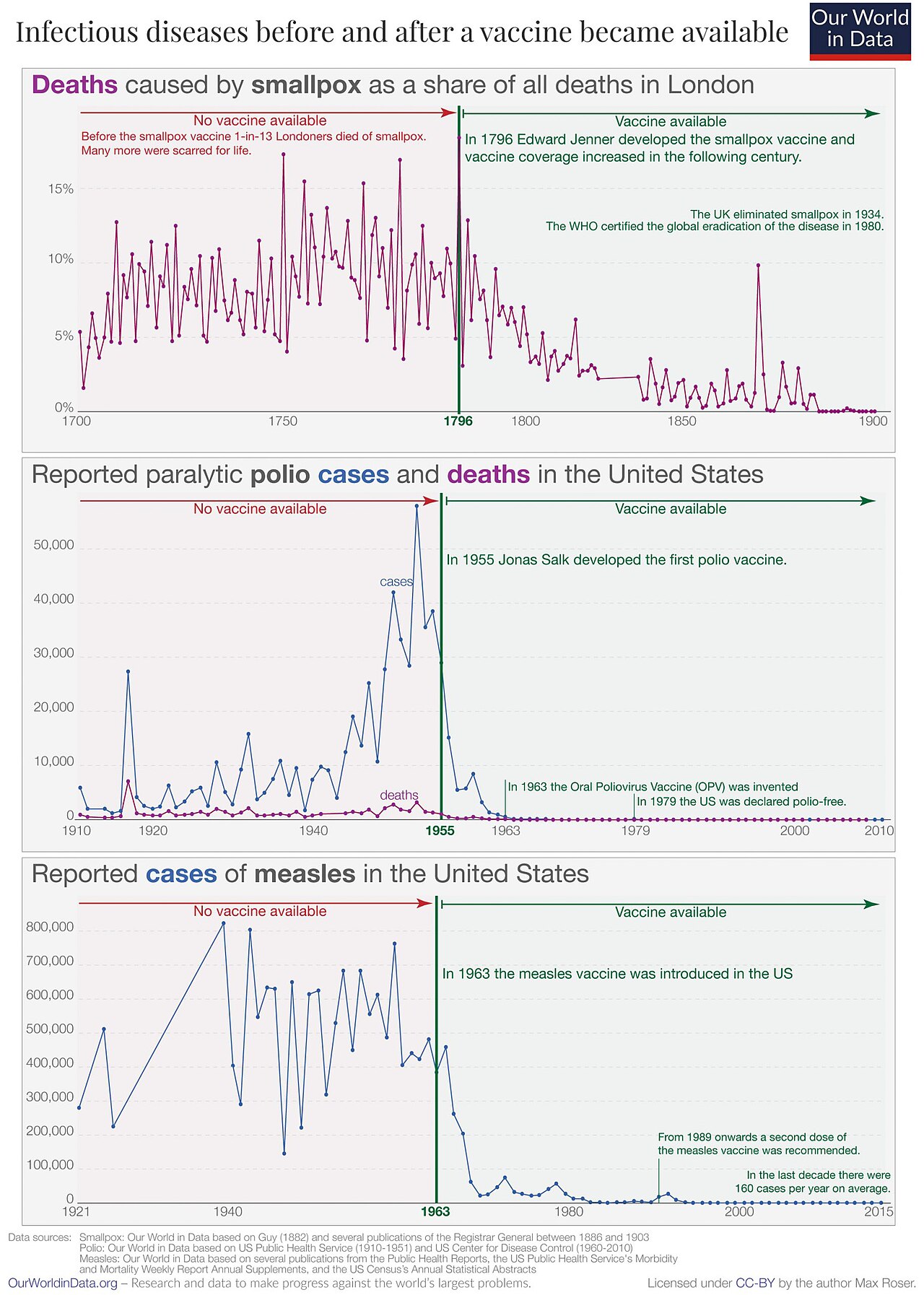
Before vaccines, many kids got very sick from diseases like measles and polio. Vaccines helped stop these sicknesses from spreading. Today, kids get vaccines to protect them as they grow. When many people get vaccines, everyone is safer. This is called community protection.
Fun Facts
- The first vaccine was made in 1796 by a doctor named Edward Jenner.
- The word vaccine comes from the Latin word for cow because the first one used cowpox.
- Vaccines have helped completely get rid of a disease called smallpox.
Did You Know?
Your body remembers how to fight a germ from a vaccine for many years, sometimes even your whole life.

You finished the article! Great job!