
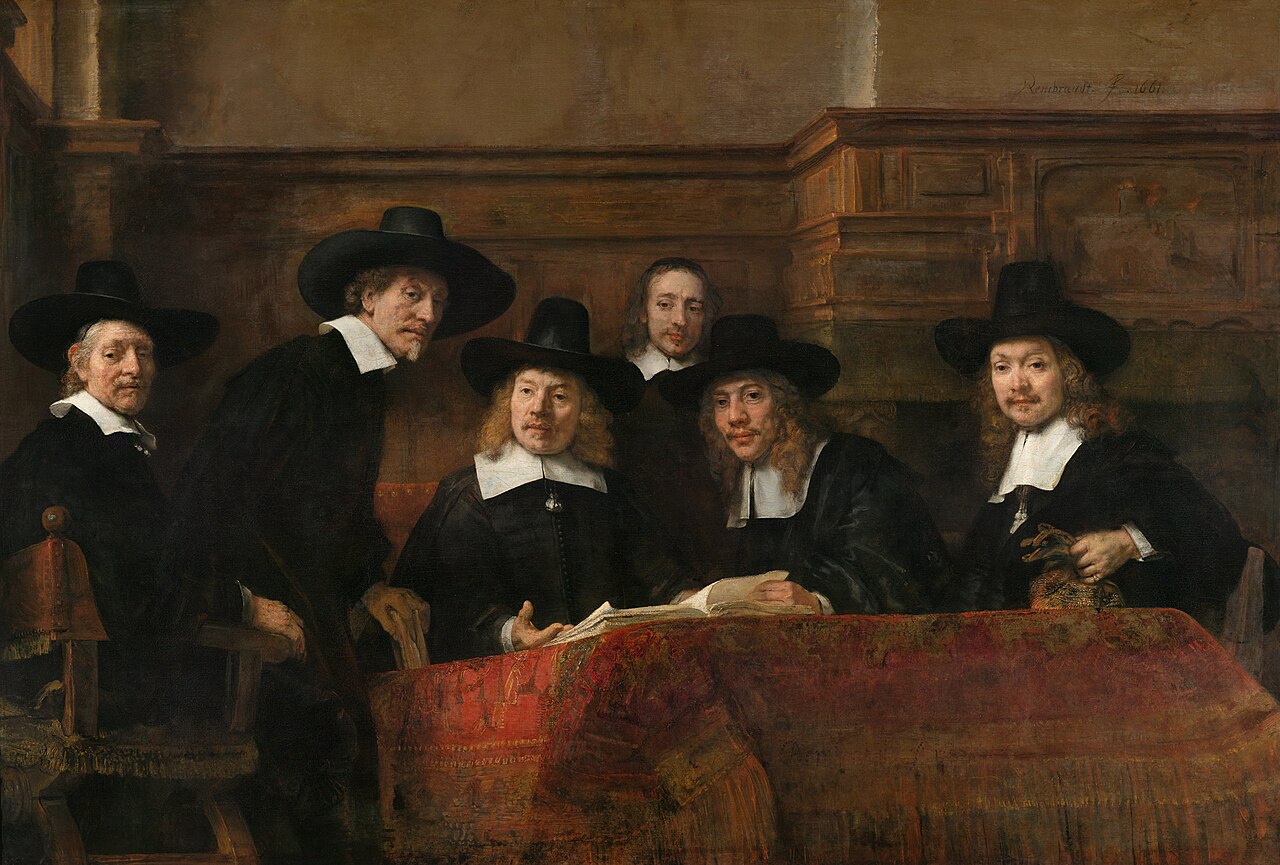
Wikimedia Commons
Medieval Guilds
Medieval Guilds
Medieval guilds were clubs for workers in the Middle Ages. People who did the same job joined the same guild. There were guilds for bakers, blacksmiths, shoemakers, and many others. The guilds helped their members learn their craft. They also made sure workers did good quality work.
Learning a Trade
To join a guild, a boy would first become an apprentice. He lived and worked with a master craftsman for many years. The master taught him everything about the job. After that, he became a journeyman and worked for pay. If he made a great piece of work, called a masterpiece, he could become a master himself.
Why Guilds Mattered
Guilds were very important in medieval towns. They set prices and rules for their trade. They helped members who were sick or hurt. Guilds also helped the families of workers who died. Some guilds built beautiful halls where members met. A few of these old guild halls are still standing today.
Fun Facts
- Some guilds were only for women, like the silk makers in Paris.
- Guilds often had their own flags and symbols.
- Becoming a master craftsman could take more than 10 years.
Did You Know?
The word 'masterpiece' first meant a special project a worker had to make to prove he was good enough to become a master in his guild.

You finished the article! Great job!