
Wikimedia Commons
The Printing Revolution
The Printing Revolution
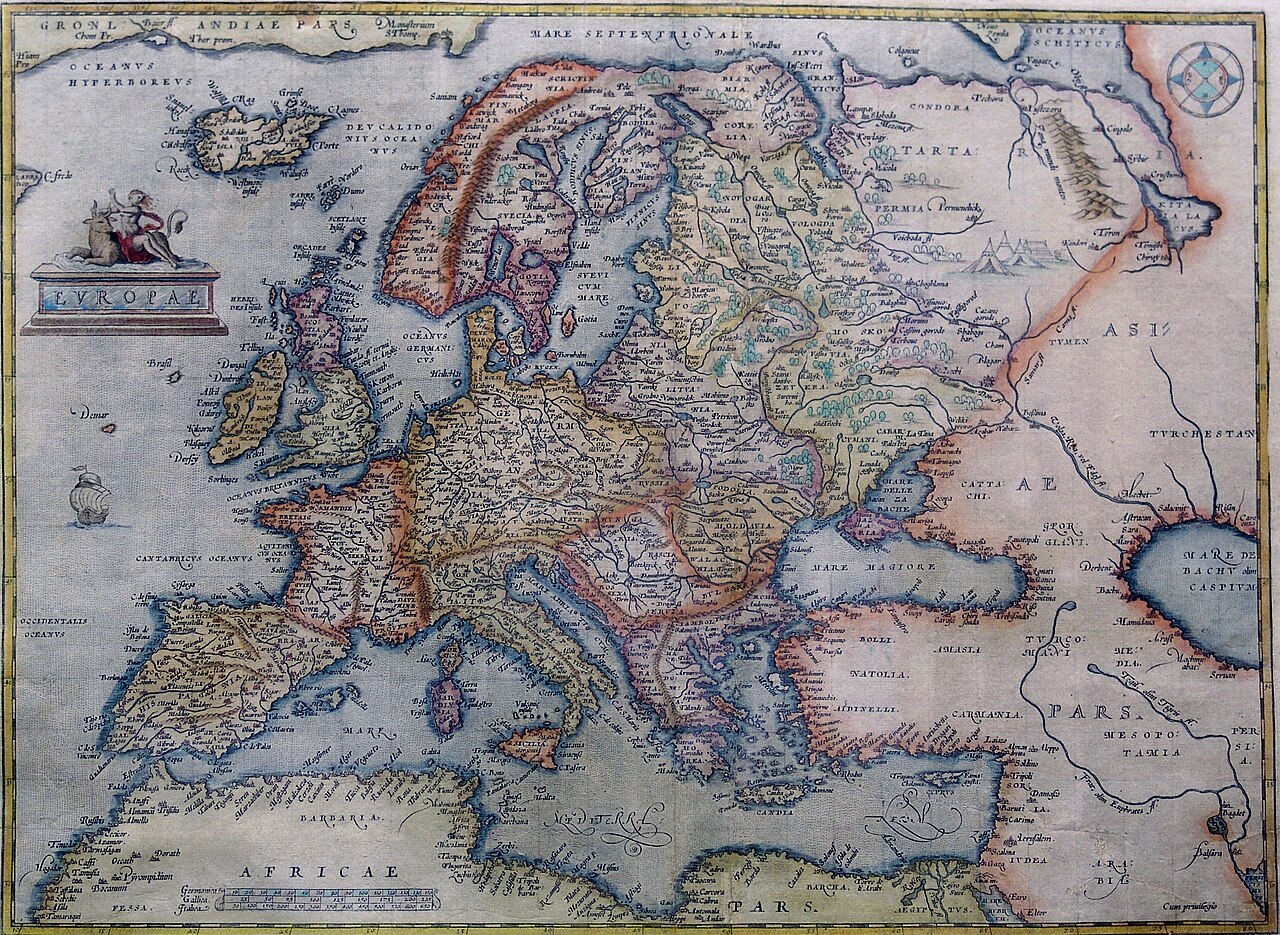
The Printing Revolution started in Europe in the 1400s. A man named Johannes Gutenberg made a new kind of printing press. It used small metal letters that could be moved around. This made it easy to print books fast. Before then, books had to be copied by hand.
Gutenberg's Big Idea
Gutenberg lived in Germany. He made small metal pieces shaped like letters. Workers could line them up to spell words. They put ink on them and pressed them onto paper. In one day, a printer could make many more pages than a person writing by hand.
Books for Everyone
With more books, more people could read. Ideas spread quickly across countries. Schools and libraries grew. New thoughts about science, religion, and art traveled fast. The world became more connected through books.
Fun Facts
- Gutenberg's first big book was a Bible printed around 1455.
- Before printing, one book could take a year to copy by hand.
- By 1500, printing presses had made millions of books.
Did You Know?
The printing press helped start the Renaissance and the Reformation in Europe.

You finished the article! Great job!