
Wikimedia Commons
The Aqueduct
The Aqueduct
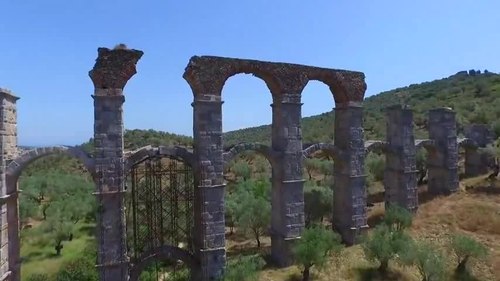
Aqueducts were built to carry fresh water to cities. The ancient Romans were famous for building them. Their aqueducts had tall stone arches and ran for many miles. They used gravity to make water flow slowly downhill.
Roman Engineering
Roman aqueducts were built over 2,000 years ago. Workers used stone, concrete, and bricks to build them. Some were built underground, while others crossed valleys on tall arches. The Romans built over 200 aqueducts across their huge empire.
Why They Mattered
Aqueducts brought clean water to towns, homes, and public baths. They helped people stay healthy and clean. Water from aqueducts also filled fountains and helped farmers water crops. Some old Roman aqueducts are still standing today.
Fun Facts
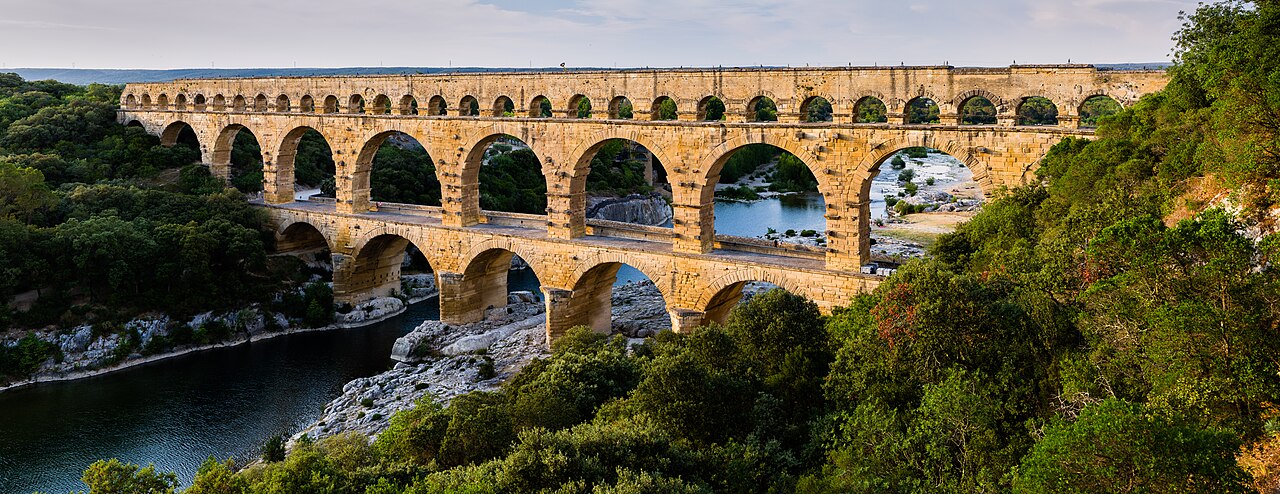
- The Pont du Gard in France is a famous Roman aqueduct.
- Romans built aqueducts without using any machines.
- Some aqueducts carried millions of gallons of water each day.
Did You Know?
The longest Roman aqueduct was nearly 80 miles long and brought water to the city of Constantinople.

You finished the article! Great job!