
Wikimedia Commons
The Battery
The Battery
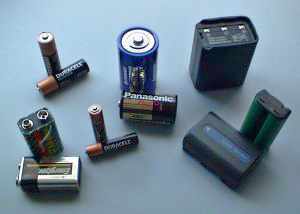
A battery stores energy and lets you take electricity with you. Batteries power flashlights, remote controls, toys, and phones. Inside a battery, special chemicals react to make electricity. When the chemicals are used up, the battery is dead and needs to be thrown away or recharged.
How a Battery Works
A battery has two ends called terminals, marked plus and minus. Inside, chemicals push tiny bits of electricity called electrons from one side to the other. When you connect the battery to a light or toy, the electrons flow and make it work. Once the chemicals finish reacting, the battery stops working.
Who Invented It
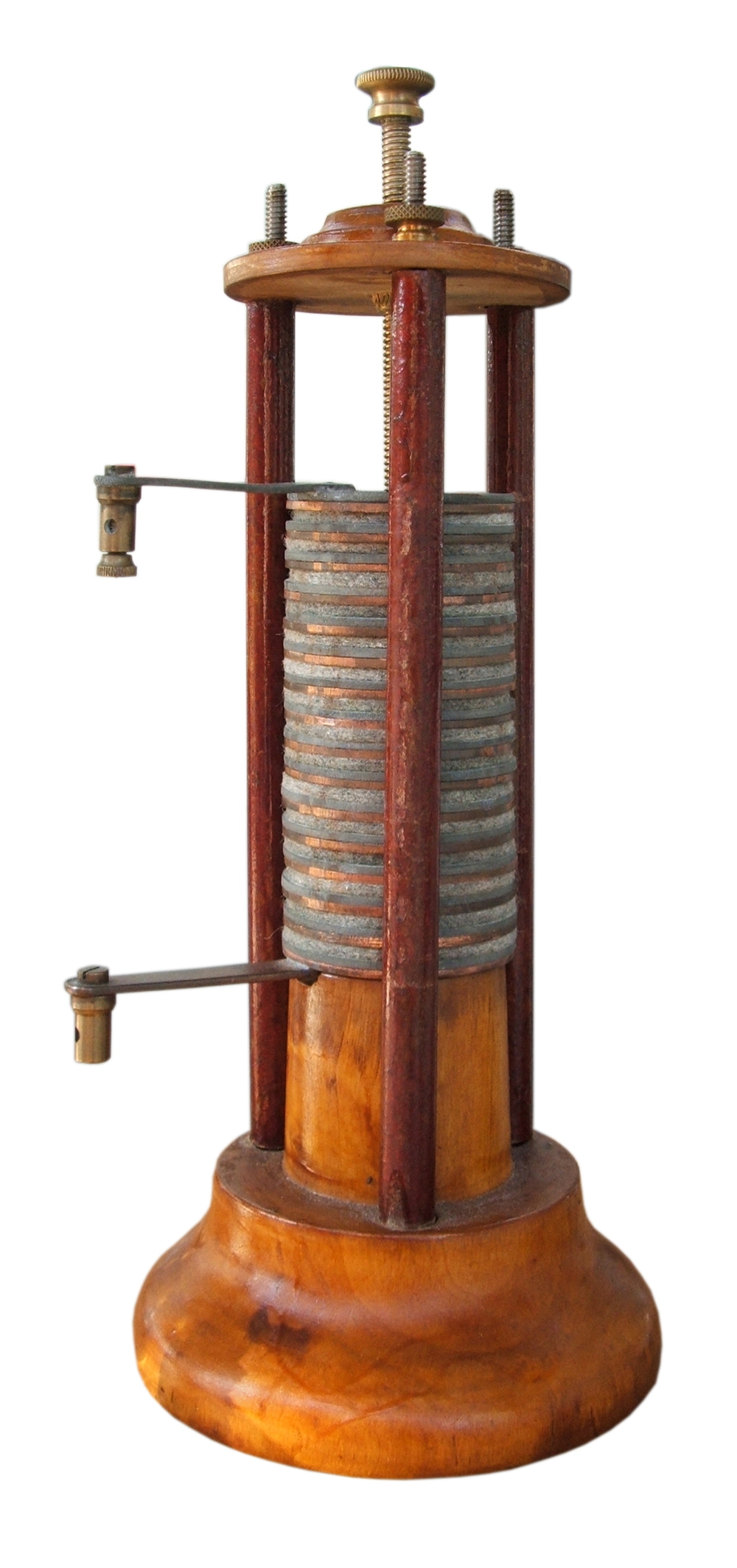
The first real battery was made in 1800 by an Italian scientist named Alessandro Volta. He stacked disks of copper and zinc with wet cloth between them. This simple stack made a steady flow of electricity for the first time. Batteries have gotten much smaller and stronger since then.
Fun Facts
- The unit of electricity called the 'volt' is named after Alessandro Volta.
- Electric cars use big batteries made of thousands of small cells.
- A lemon can make a tiny battery when you stick metal pieces into it.
Did You Know?
Rechargeable batteries can be filled up with electricity and used over and over, sometimes hundreds of times.

You finished the article! Great job!