
Wikimedia Commons
The Calculator
The Calculator
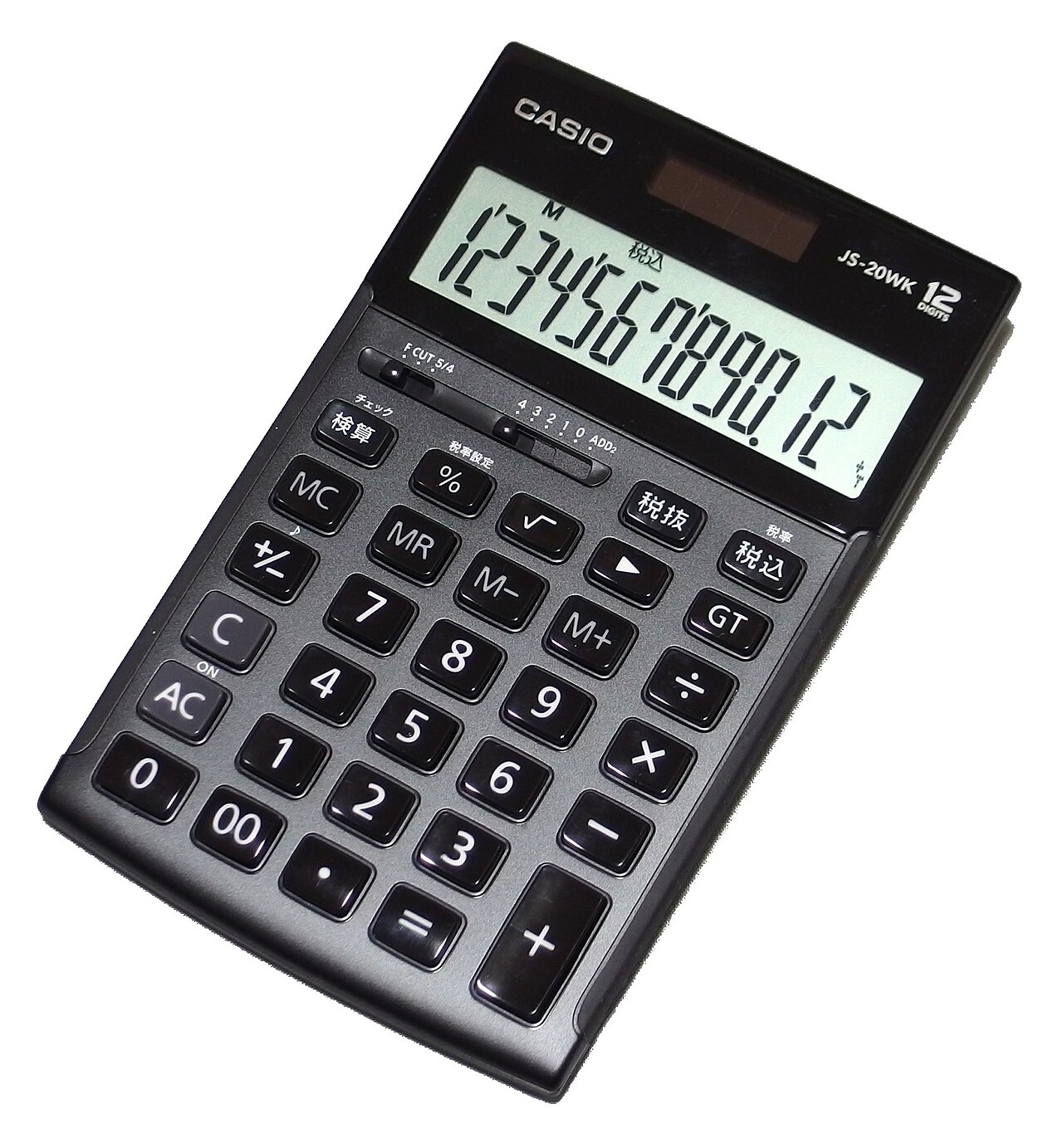
A calculator is a tool that helps people do math. You press buttons with numbers and signs. The answer shows up on a small screen. Calculators can add, subtract, multiply, and divide in a flash. Some can even draw graphs or solve big problems.
From Beads to Buttons
Long ago, people used an abacus to help count. It had beads on wires that you could slide. In 1642, a young man named Blaise Pascal made a mechanical calculator. It used gears and dials. The first electronic calculator came out in the 1960s. Pocket calculators became common in the 1970s.
Calculators Today
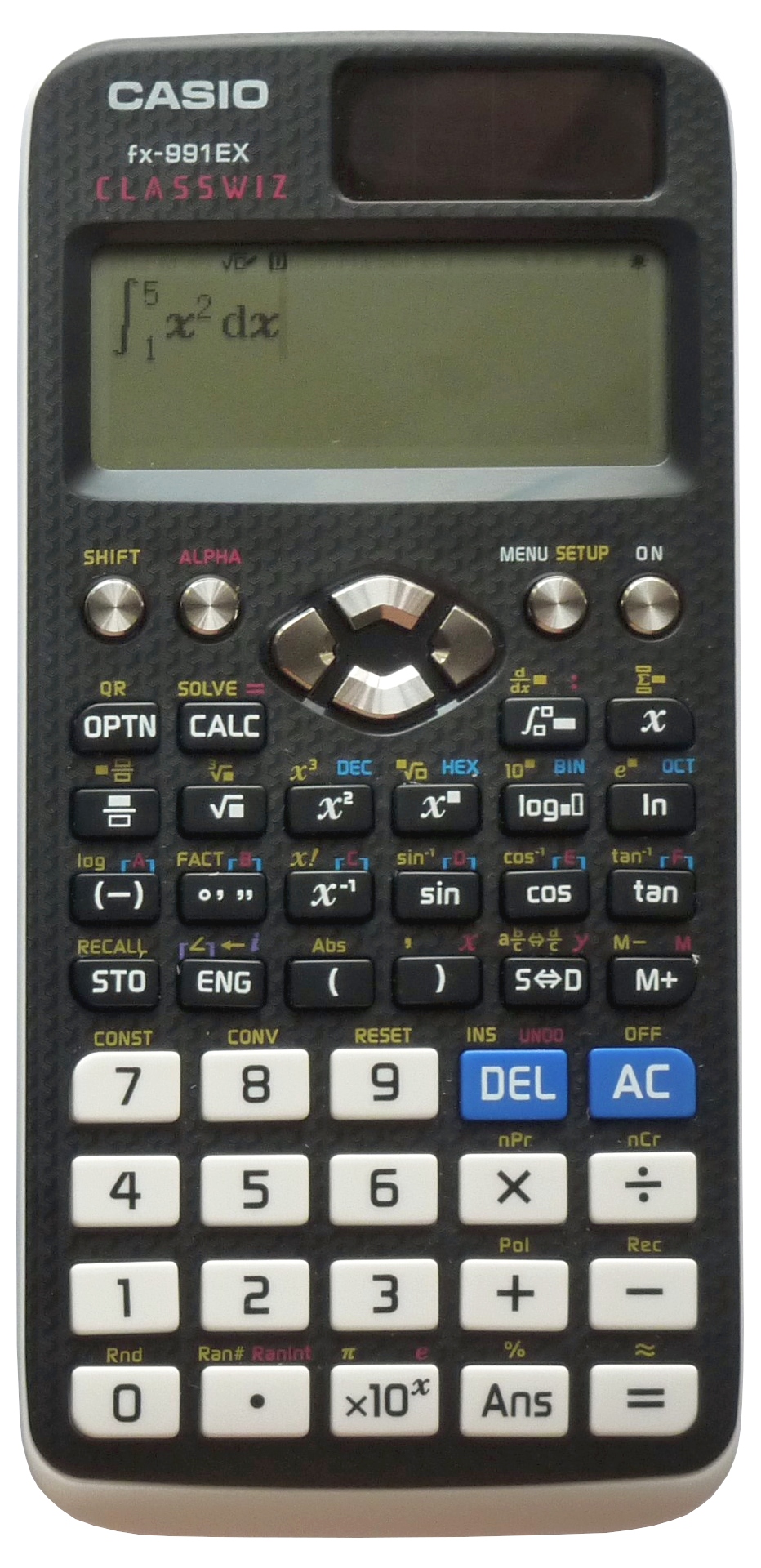
Today, calculators are found in many things. There is one on every smartphone. Scientists use big calculators to do hard math. Students often use them in class for tricky problems. Some even run on sunlight using tiny solar panels.
Fun Facts
- The first pocket calculator was released in 1970 and cost a lot of money.
- Some graphing calculators can play simple games.
- The abacus is over 4,000 years old and is still used today.
Did You Know?
The word calculator comes from the Latin word calculus, which means small stone. Romans used small stones to count.

You finished the article! Great job!