Wikimedia Commons
The Clock
The Clock
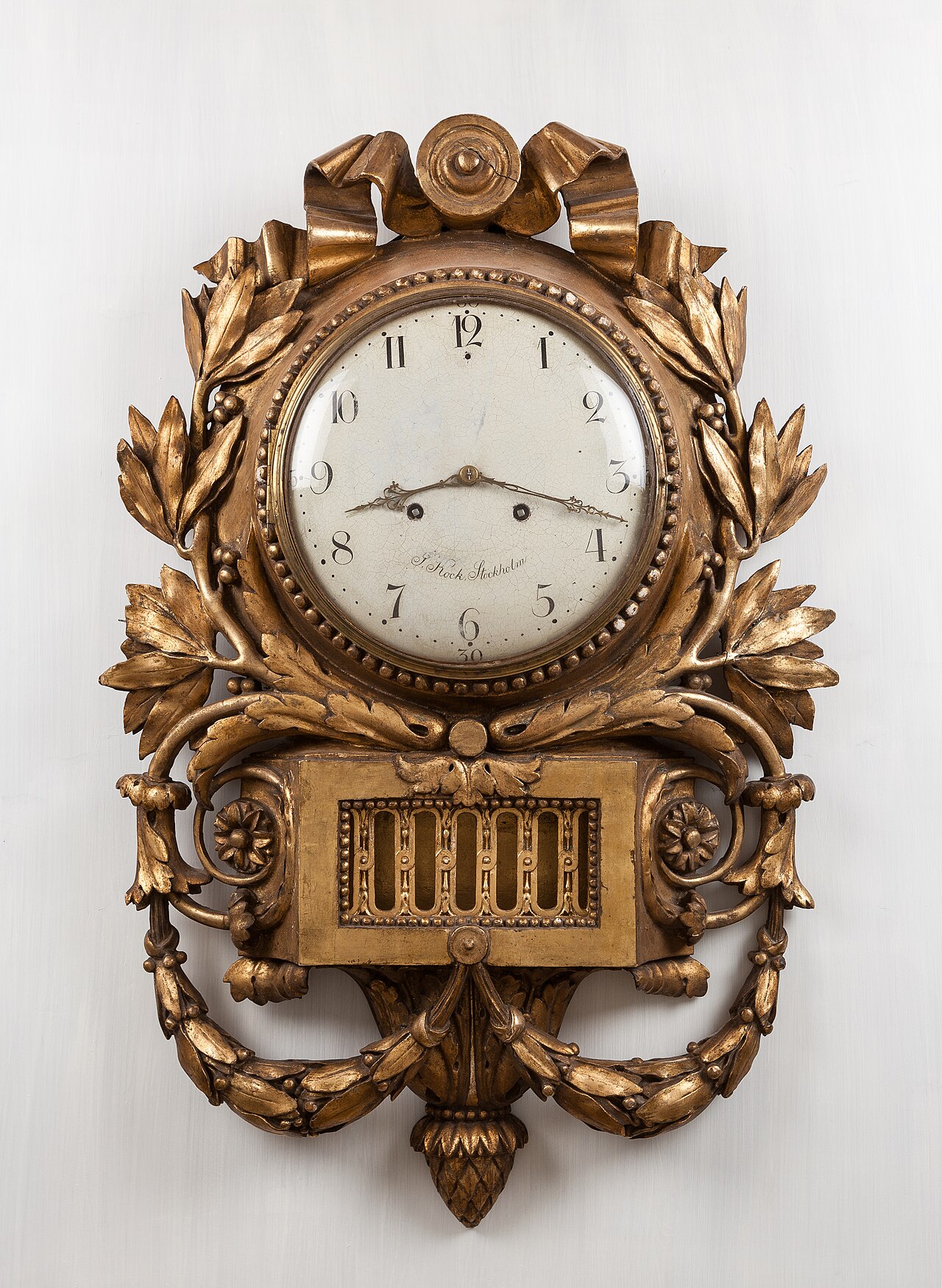
A clock is a tool that tells us what time it is. Clocks help us know when to wake up, eat, and go to school. Long ago, people told time by watching the sun. Today, clocks are found in homes, schools, phones, and computers all over the world.
How Clocks Work
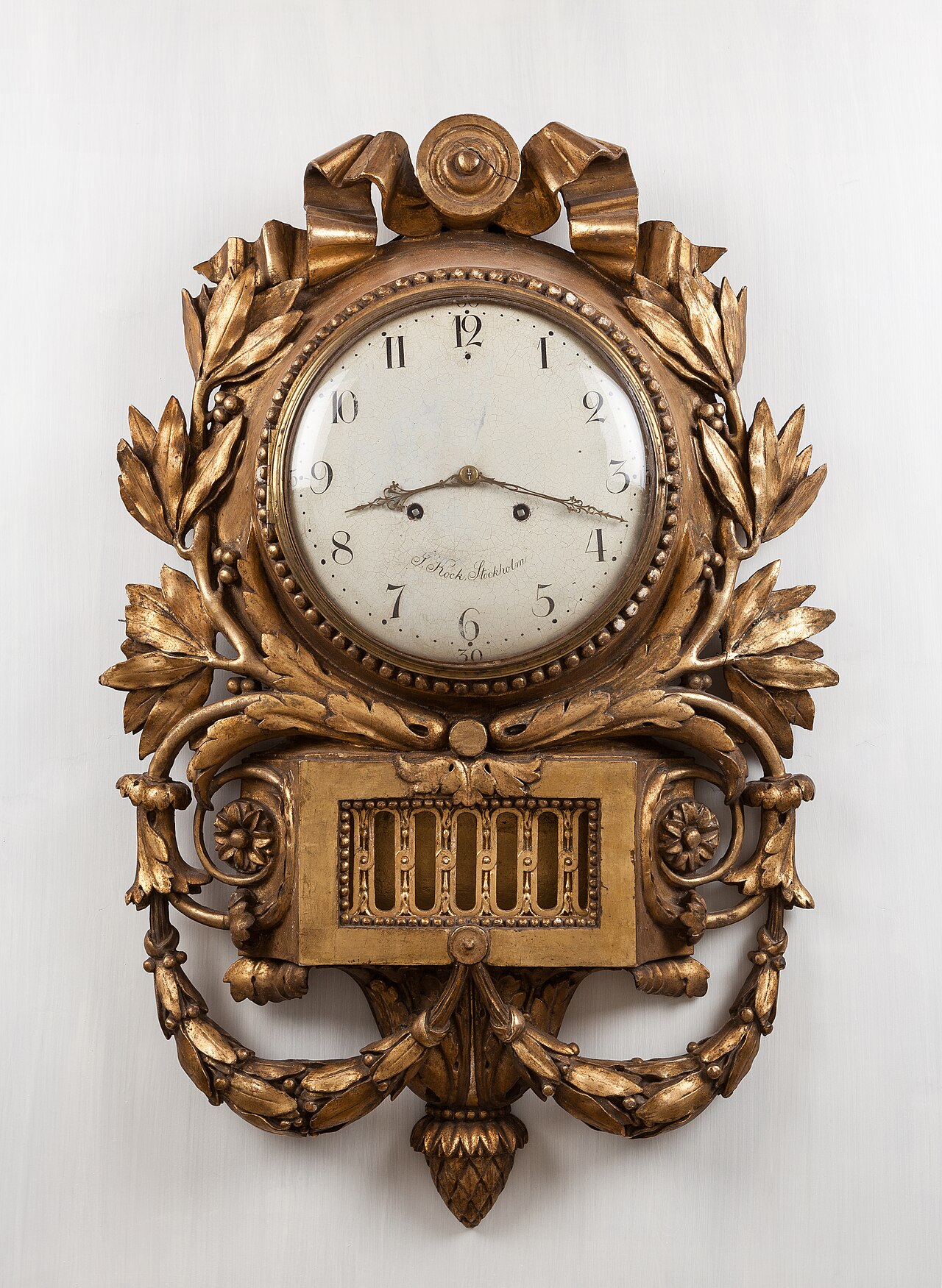
Old clocks used gears and springs to move the hands. A part called a pendulum swung back and forth to keep the time steady. Modern clocks often use a tiny crystal that vibrates very fast. Digital clocks show the time with numbers instead of hands.
Telling Time Through History
The first clocks were sundials that used the sun's shadow. Later, people used water clocks and sand clocks. Mechanical clocks with gears were built in Europe in the 1300s. Today, the most exact clocks are called atomic clocks, and they barely ever lose a second.
Fun Facts
- The word 'clock' comes from an old word meaning 'bell.'
- Big Ben in London is one of the most famous clocks in the world.
- An atomic clock is so exact it would lose only one second in millions of years.
Did You Know?
Before clocks had minute hands, people only cared about the hour, not the minutes.
You finished the article! Great job!