
Wikimedia Commons
The Defibrillator
The Defibrillator
A defibrillator is a life-saving machine. It sends a quick electric shock to the heart when it stops beating the right way. This shock can help the heart start beating normally again.
How the Defibrillator Was Invented
Scientists discovered that electricity could restart a heart in the early 1900s. The first defibrillator used on a human was in 1947. It was a large machine found only in hospitals.
Over time, defibrillators became smaller and easier to use. Today, small portable defibrillators called AEDs can be found in schools, airports, and shopping malls.
How Defibrillators Save Lives
When a heart suddenly stops beating correctly, it is a medical emergency. An AED can help even before an ambulance arrives. The machine talks to you and tells you exactly what to do.
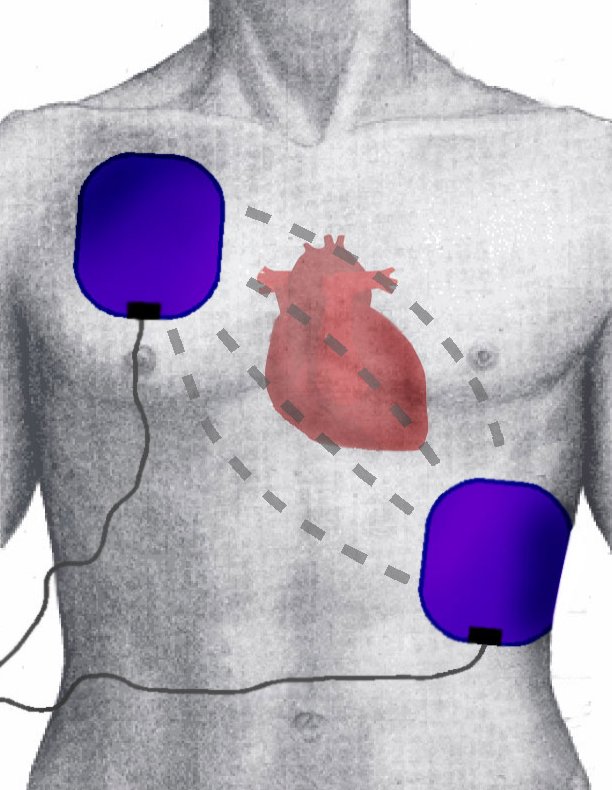
The AED checks the heart rhythm and decides if a shock is needed. If it is, the machine sends a quick electric pulse through pads placed on the chest. Many lives are saved by AEDs every year.
Fun Facts
- AED stands for Automated External Defibrillator.
- An AED talks out loud and gives step-by-step instructions.
- Many schools and public buildings have AEDs on the wall for emergencies.
Did You Know?
Using an AED within the first few minutes of a heart emergency can double or triple a person's chance of survival.

You finished the article! Great job!