Wikimedia Commons
The LED Light
The LED Light
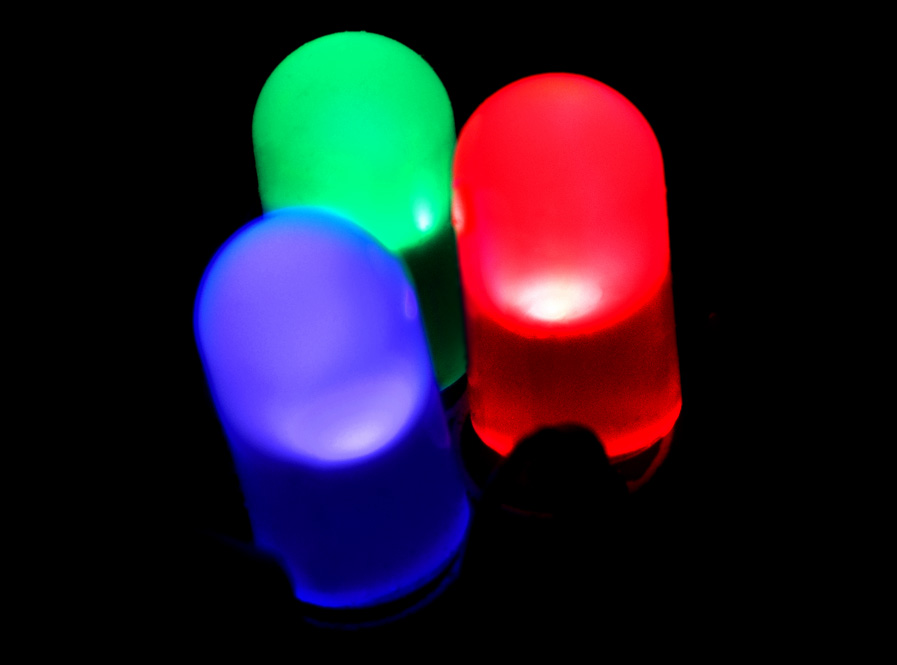
An LED is a small light that uses very little power. LED stands for Light Emitting Diode. These lights are bright, long-lasting, and come in many colors.
How LED Lights Were Invented
The first LED light was created in 1962 by a scientist named Nick Holonyak Jr. Early LEDs could only make dim red light. They were used as tiny indicator lights on electronics.
Over the years, scientists figured out how to make LEDs in other colors like green, yellow, and blue. Once blue LEDs were invented, it became possible to make bright white LED light bulbs for homes.
Why LEDs Are So Great
LED lights use much less electricity than old-fashioned light bulbs. A regular bulb wastes most of its energy as heat. An LED turns almost all of its energy into light.
LED bulbs can last for 25 years or more. They are used in traffic lights, TV screens, flashlights, and holiday lights. Switching to LEDs saves people money and is better for the planet.
Fun Facts
- An LED bulb can last over 25,000 hours, which is about 25 years of normal use.
- LEDs use about 75 percent less energy than old incandescent light bulbs.
- The inventors of the blue LED won the Nobel Prize in Physics in 2014.
Did You Know?
The screens on phones, tablets, and TVs are made up of millions of tiny red, green, and blue LED lights.

You finished the article! Great job!