
Wikimedia Commons
The Loudspeaker
The Loudspeaker
A loudspeaker makes sounds louder so many people can hear them. It turns electrical signals into sound waves. Loudspeakers are in radios, TVs, phones, and at concerts and stadiums.
How the Loudspeaker Was Invented
The first loudspeakers were made in the early 1900s. In 1924, two engineers named Chester Rice and Edward Kellogg created the first practical loudspeaker. It worked much like the speakers we use today.
Loudspeakers made it possible for large crowds to hear music and speeches. Before loudspeakers, only the people sitting close to the front could hear clearly.
How Loudspeakers Work
A loudspeaker has a magnet, a coil of wire, and a cone made of paper or plastic. When electricity flows through the coil, it moves back and forth because of the magnet. This movement pushes the cone in and out, creating sound waves.
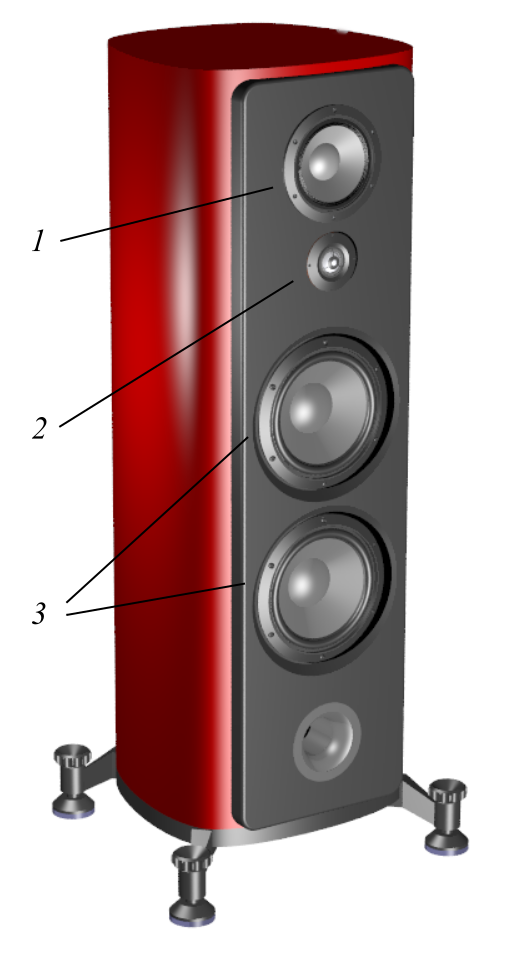
Big speakers make deep, low sounds called bass. Small speakers make high sounds called treble. Most music systems use several speakers of different sizes to make the music sound full and rich.
Fun Facts
- The speakers at big rock concerts can be as loud as a jet engine.
- Your phone has a tiny loudspeaker that is less than one inch wide.
- The largest loudspeaker ever made was over 8 feet tall.
Did You Know?
Blue whales are louder than any loudspeaker. Their calls can reach 188 decibels, louder than a jet engine.

You finished the article! Great job!