
Wikimedia Commons
The Phonograph
The Phonograph
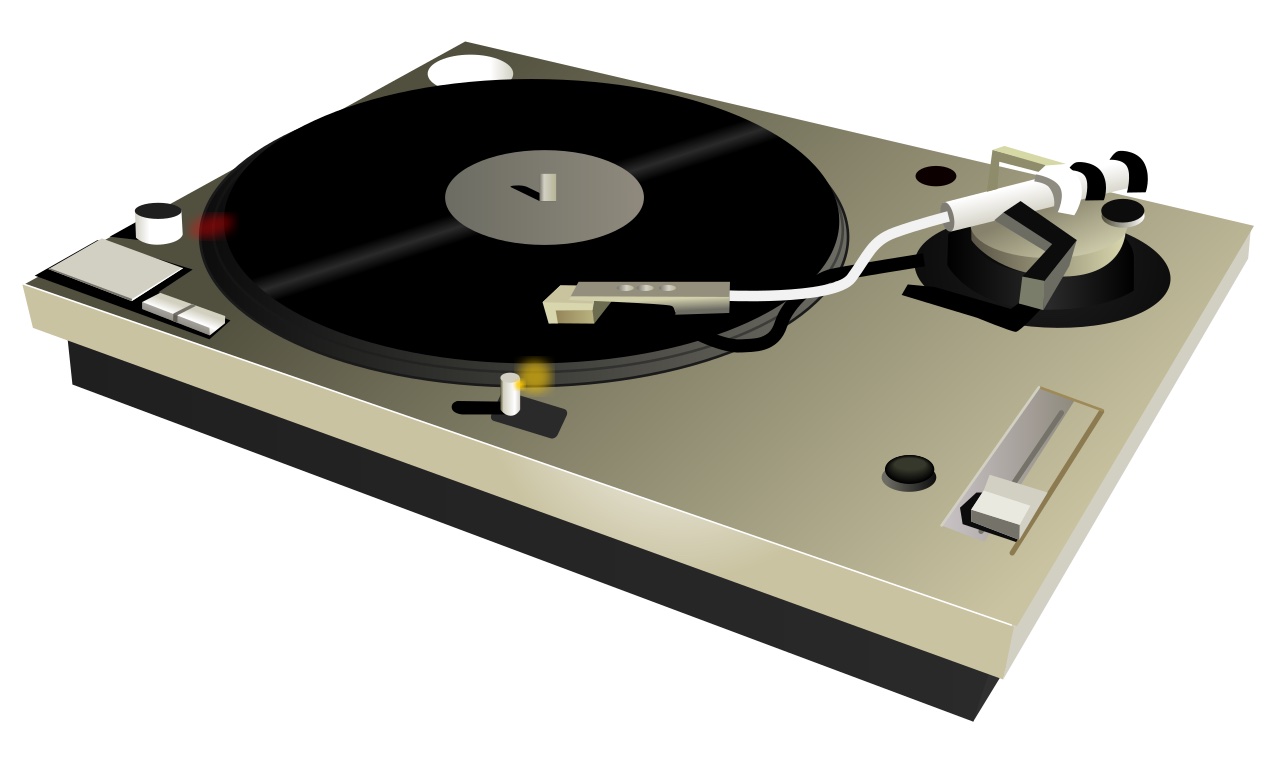
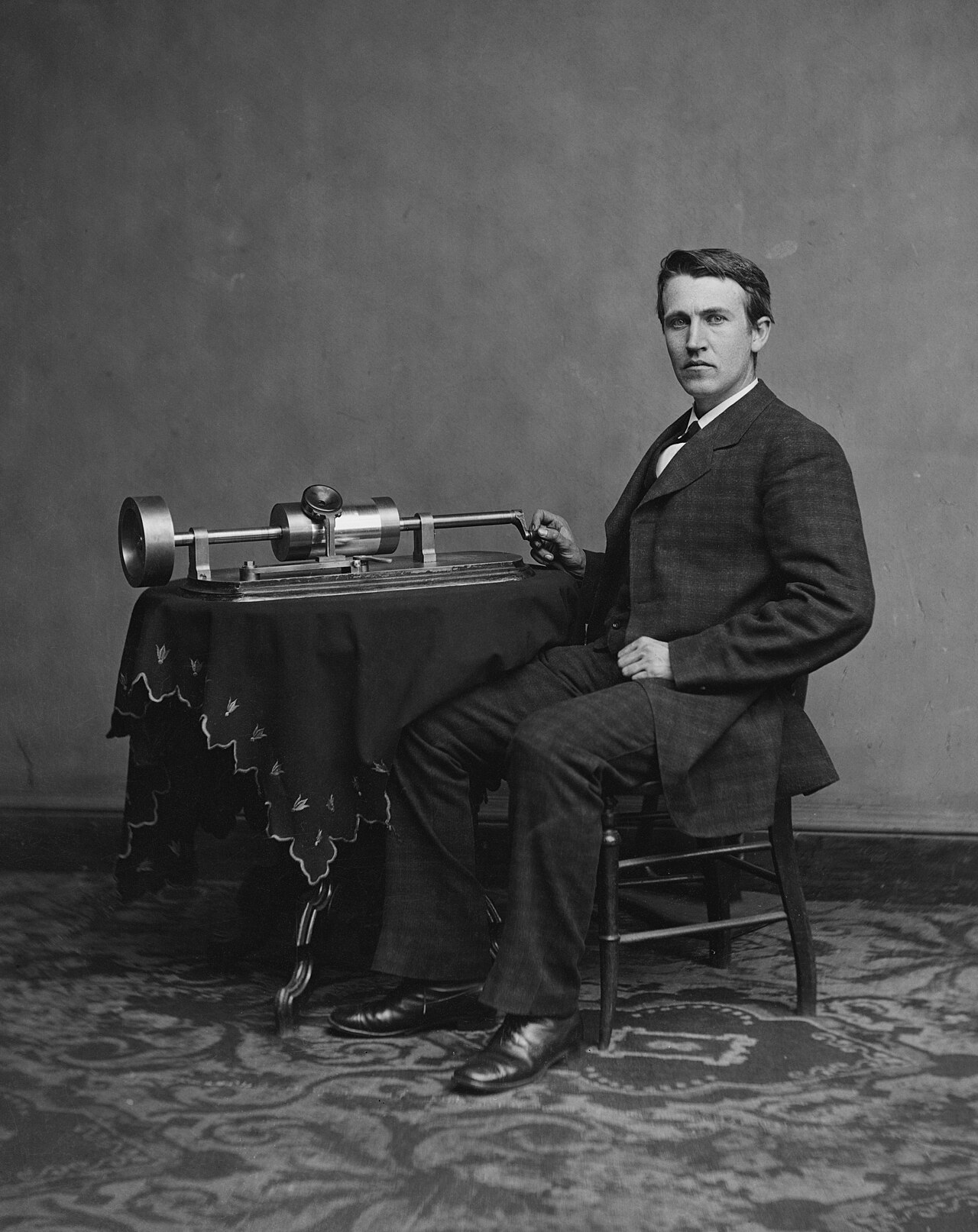
The phonograph was an amazing machine that could record and play sound. It was invented by Thomas Edison in 1877. Before the phonograph, there was no way to save music or voices. People could listen to their favorite songs over and over again for the first time.
How It Works
The first phonograph used a round tube called a cylinder. A needle scratched tiny grooves into the cylinder as sounds hit it. To play the sound, the needle ran through the grooves again. A big horn made the sound loud enough to hear.
The Start of Recorded Music
Thomas Edison's first recording was him saying 'Mary had a little lamb.' Later, flat discs called records replaced the cylinders. Families would gather around to listen to music at home. The phonograph led to record players, CDs, and today's music apps.
Fun Facts
- Edison called his invention 'the talking machine.'
- Early phonographs were wound up with a hand crank, not plugged in.
- Some old records are still played today by fans of vintage music.
Did You Know?
The word 'phonograph' comes from Greek words meaning 'sound writer.'

You finished the article! Great job!