Wikimedia Commons
The Printing Press
The Printing Press
Long ago, people had to write every book by hand. It took a very long time to make just one book. Then a man named Johannes Gutenberg made a special machine called the printing press. It could print many pages quickly. This changed the world forever.
How It Works
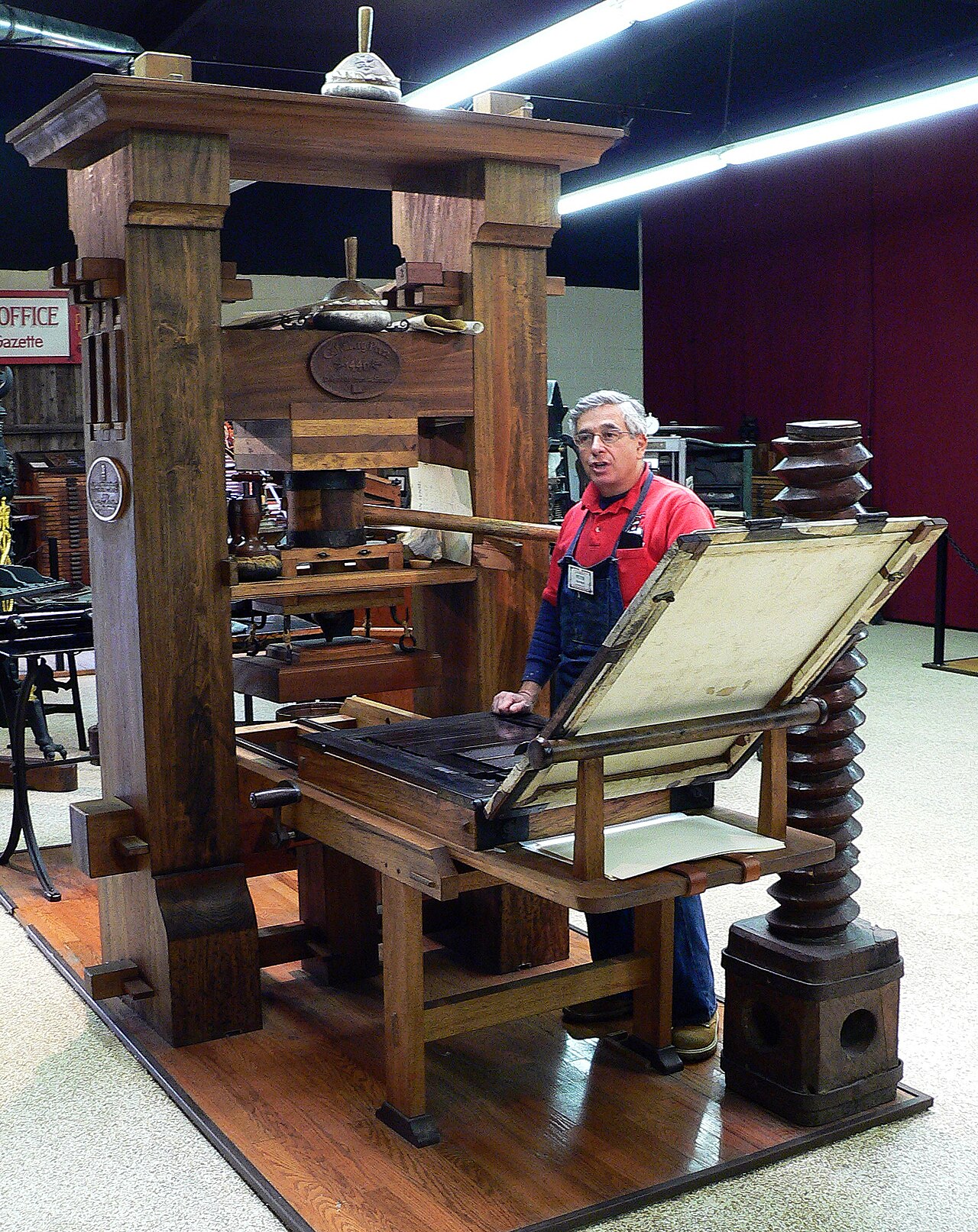
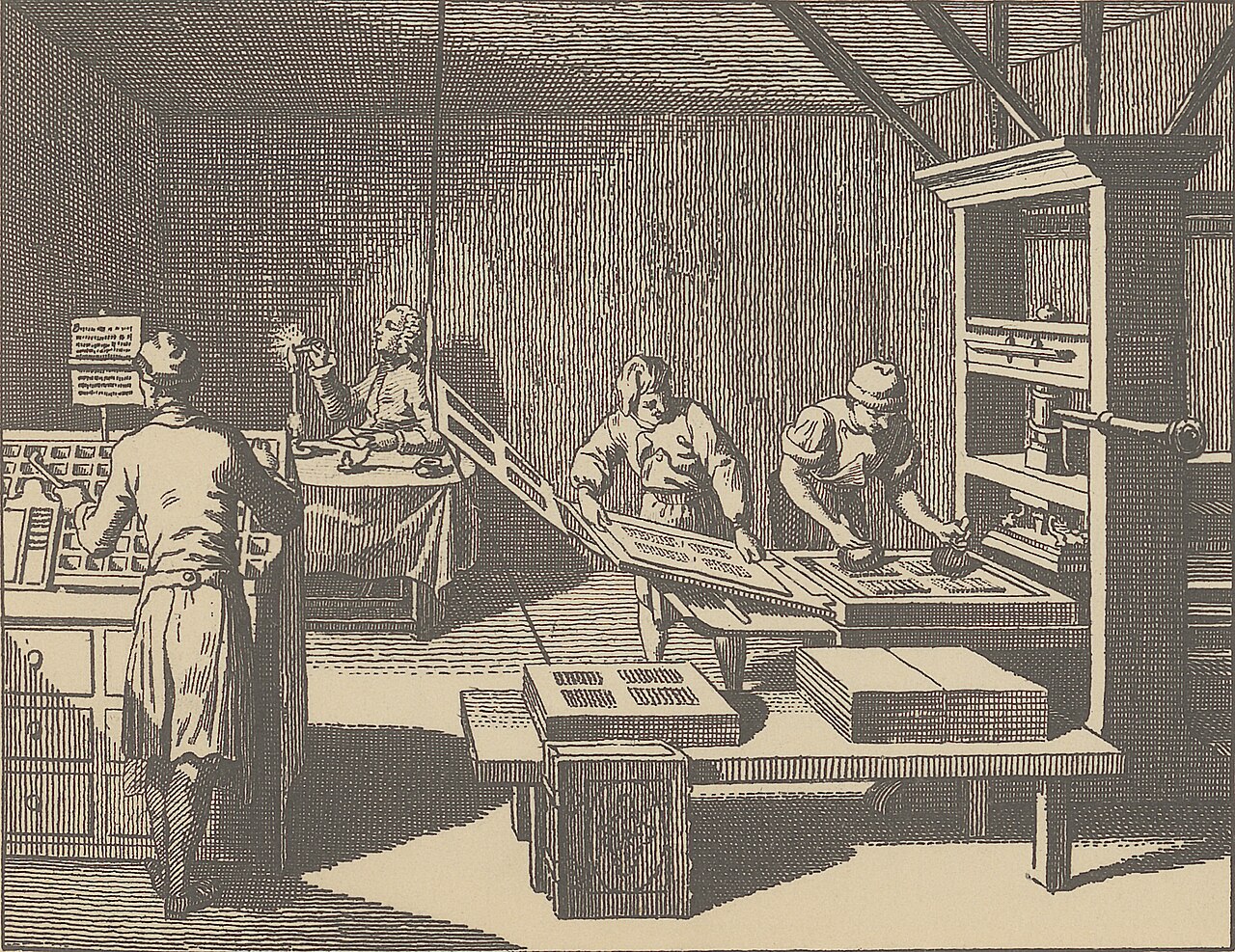
The printing press uses small metal letters. The letters are lined up to spell words. Ink is put on the letters. Then paper is pressed down on top. When the paper is lifted, the words are printed on it. This way, you can print the same page over and over.
Why It Matters
Before the printing press, books were very rare and cost a lot. Only rich people could buy them. After the press was made, books became cheaper. More people learned to read. New ideas spread all over the world. Schools and libraries grew too.
Fun Facts
- Johannes Gutenberg built his printing press in Germany around the year 1440.
- The first big book he printed was the Gutenberg Bible.
- Early printing presses were made of wood and looked a bit like a giant screw.
Did You Know?
Before the printing press, a monk might spend a whole year copying just one book by hand!

You finished the article! Great job!