
Wikimedia Commons
The Radio
The Radio
The radio is one of the most important inventions ever made. It lets people share news, music, and stories with others far away. Before TVs and phones, families would sit around a radio to listen together. Radios use special waves that travel through the air. These waves cannot be seen, but they carry sounds from one place to another.
Who Invented the Radio?
Many smart people helped make the radio. An Italian man named Guglielmo Marconi is often called the father of radio. In 1895, he sent the first radio signals through the air. Other inventors, like Nikola Tesla, also worked on radio ideas. Over time, the radio grew better and stronger. Soon, it could send signals across oceans.
How Does a Radio Work?
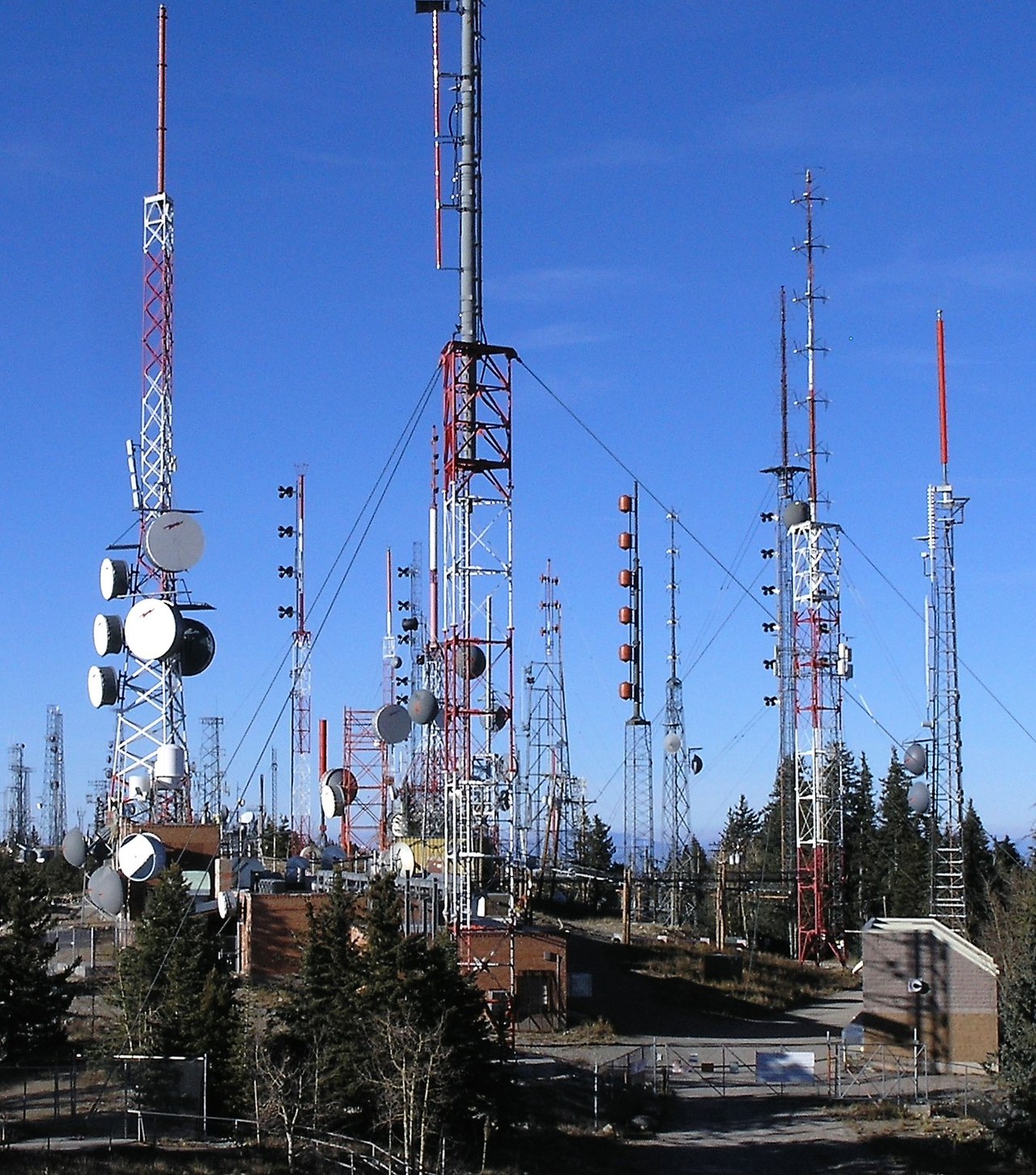
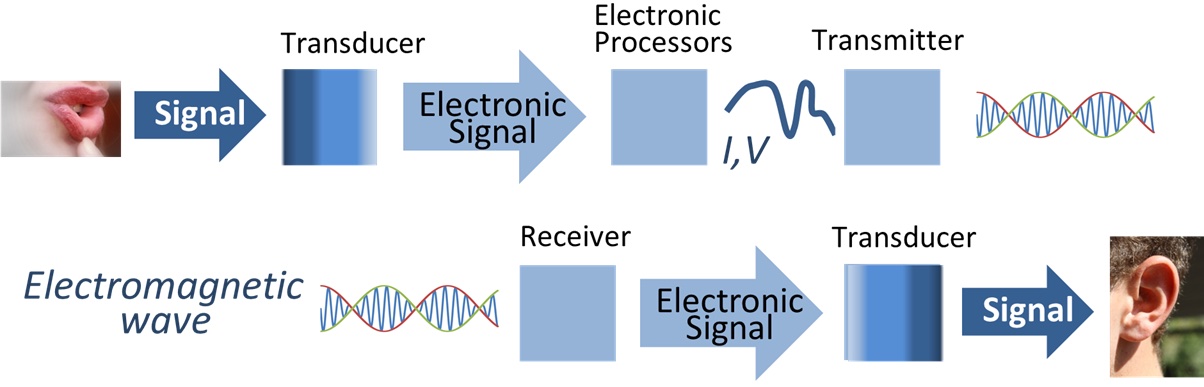
A radio works by using radio waves. A station sends out these waves from a big tower. Your radio at home picks up the waves with an antenna. Then it turns the waves back into sound. You can hear music, talking, or news through the speaker. You can change stations by turning a dial or pressing a button.
Fun Facts
- The first radio message sent across the ocean was just the letter S in Morse code.
- Car radios were first added to cars in the 1930s.
- Some radios can run on batteries, and others can even run on power from the sun.
Did You Know?
Astronauts in space use radios to talk to people on Earth, even from the Moon!

You finished the article! Great job!