Wikimedia Commons
Esperanto
Esperanto
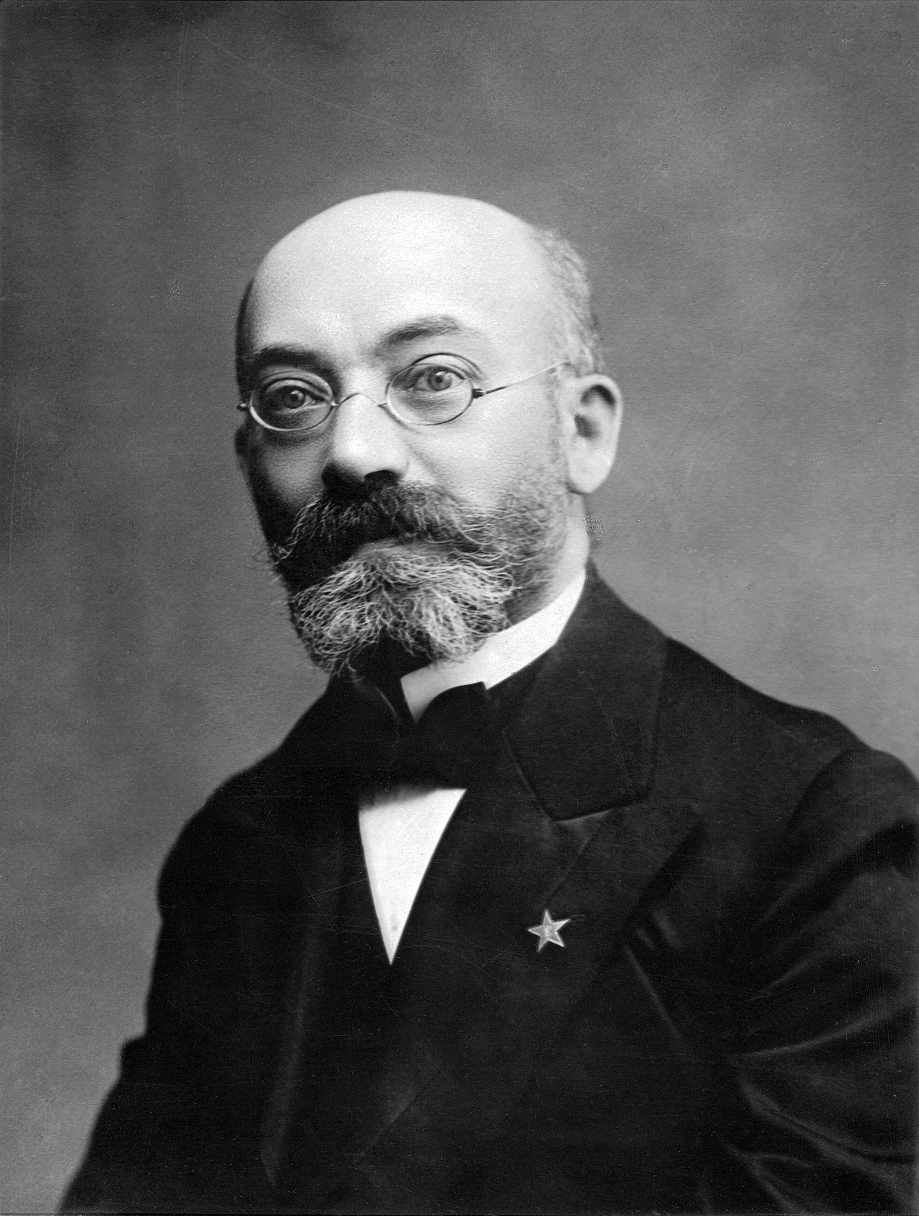
Esperanto is a special language. A man named L. L. Zamenhof made it up over 130 years ago. He wanted a language that everyone could learn easily. Esperanto was meant to help people from different countries speak to each other. Today, about two million people know Esperanto.
Why Esperanto Was Made
L. L. Zamenhof grew up in a town where people spoke many languages. They often had trouble understanding each other. He hoped a shared language would bring peace. In 1887, he published the first Esperanto book. He used the name Doctor Esperanto, which means 'one who hopes.'
Easy to Learn
Esperanto is much easier to learn than most languages. The rules are simple and never change. All words are spelled the way they sound. You can learn the basics in just a few weeks. People all over the world meet to speak Esperanto at special events.
Fun Facts
- Esperanto means 'one who hopes' in the language itself.
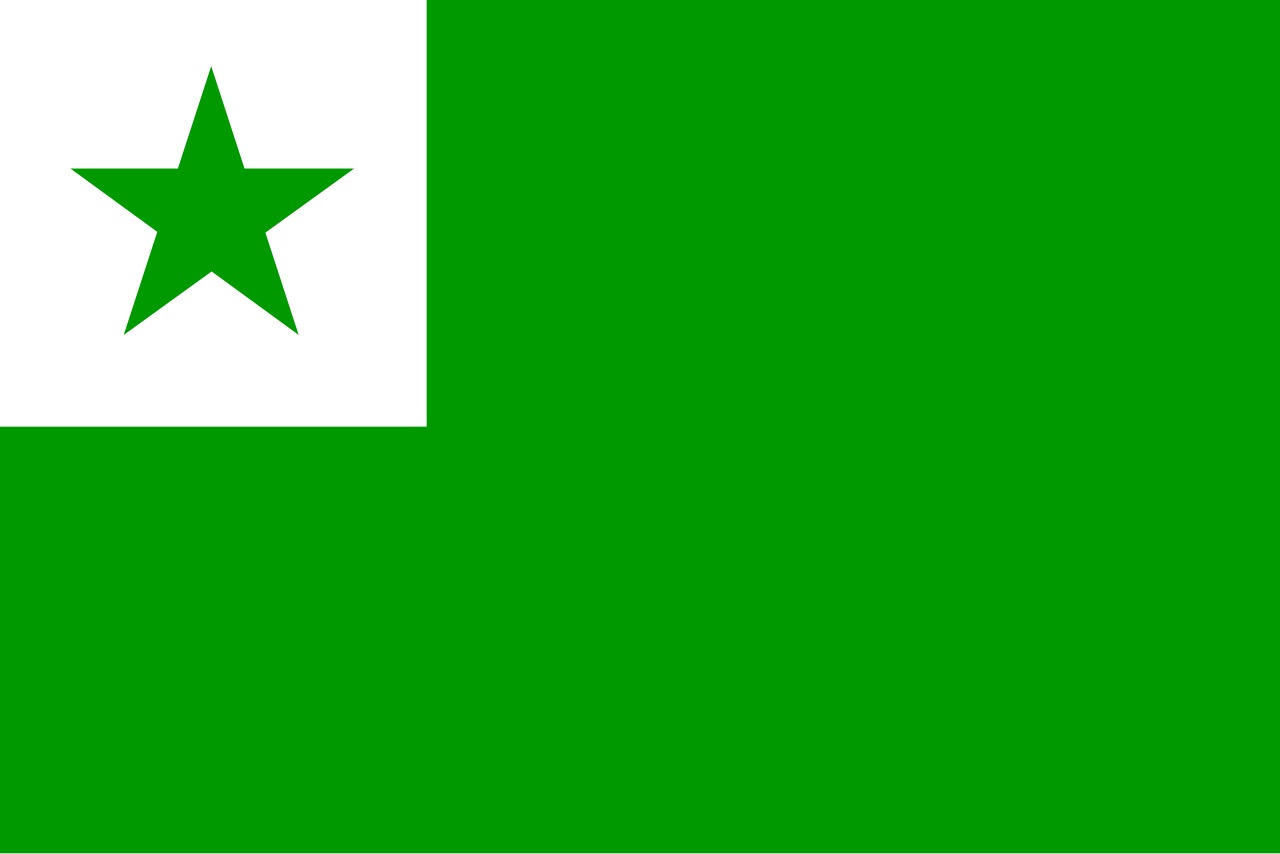
- The Esperanto flag has a green star on a white background.
- Some people have raised their children to speak Esperanto from birth.
Did You Know?
Esperanto has only 16 grammar rules, and none of them have exceptions, which makes it one of the easiest languages to learn!

You finished the article! Great job!