
Wikimedia Commons
Bar Graphs
Bar Graphs
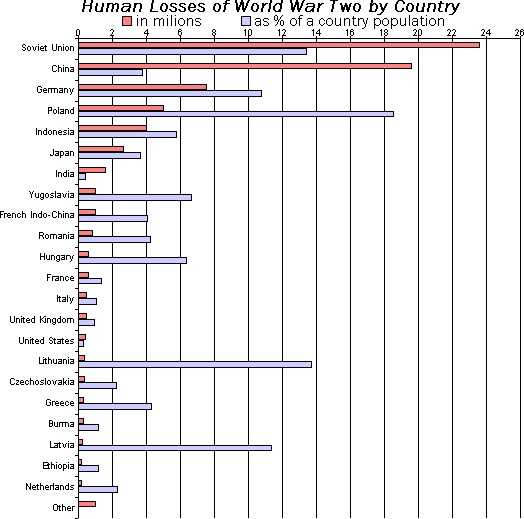
A bar graph shows data using rectangles called bars. Each bar stands for a group or item. Taller bars mean bigger numbers. Shorter bars mean smaller numbers. Bar graphs help you compare things quickly with just a glance.
Parts of a Bar Graph
A bar graph has a title at the top. It has two lines called axes. The bottom line shows the groups being counted. The side line shows the numbers. Each bar has a label so you know what it stands for. The color of the bar can also help tell them apart.
Using Bar Graphs
Bar graphs are everywhere. They show which sports team won more games. They show how many books kids read each month. Scientists use them to show test results. Stores use them to show what sells the most. They are one of the most common ways to share data.
Fun Facts
- Bar graphs can be drawn with bars going up or sideways.
- A Scottish man named William Playfair invented bar graphs in 1786.
- Bar graphs are sometimes called bar charts.
Did You Know?
Bar graphs are so easy to read that even kids in kindergarten can use them to show their favorite colors or foods.

You finished the article! Great job!