
Wikimedia Commons
Prime Numbers
Prime Numbers
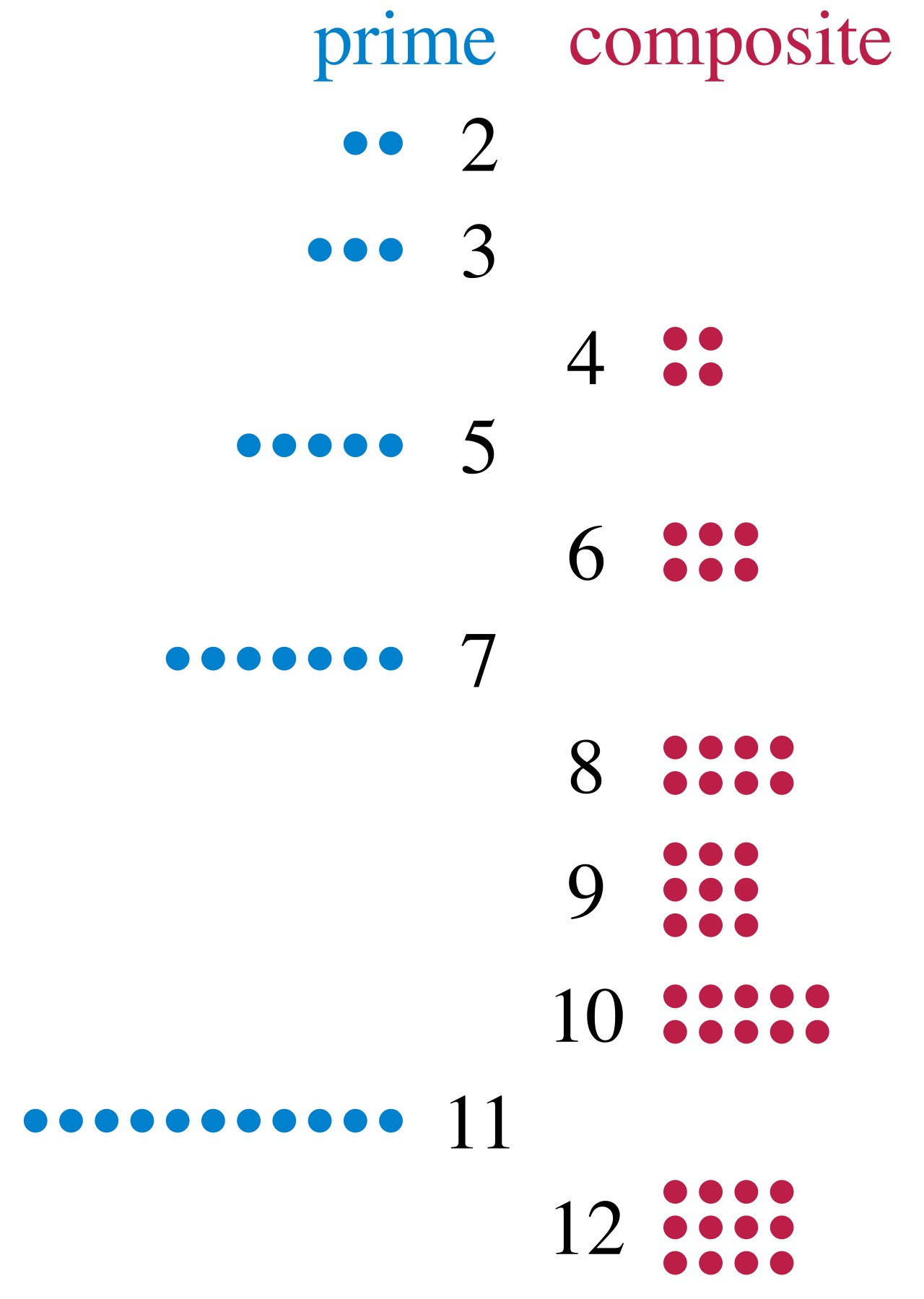
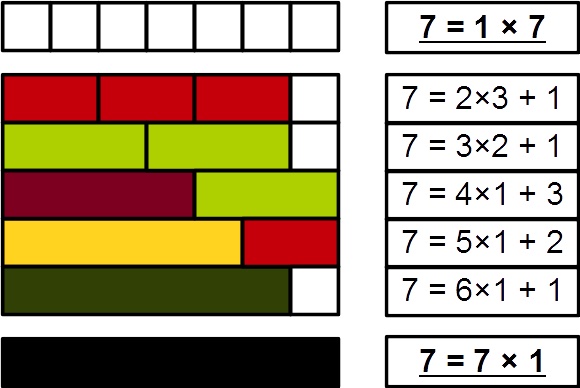
Prime numbers are special whole numbers. They can only be split evenly by 1 and by themselves. For example, 7 is prime. You cannot share 7 candies into equal groups, unless each kid gets 1 or one kid gets all 7. The first prime numbers are 2, 3, 5, 7, and 11. Prime numbers are the building blocks of all other numbers.
What Makes a Number Prime?
A prime number has only two factors. A factor is a number that divides into it with nothing left over. The two factors of a prime are 1 and the number itself. The number 5 is prime. Only 1 and 5 divide into it evenly. The number 6 is not prime. You can divide 6 by 1, 2, 3, and 6. Numbers like 6 are called composite numbers. The number 1 is not prime. It has only one factor, which is itself.
Why Prime Numbers Matter
Prime numbers are like the atoms of math. Every whole number bigger than 1 is either a prime or can be made by multiplying primes. For example, 12 is 2 times 2 times 3. Math people have studied primes for thousands of years. Today, primes help keep things safe online. When you send a secret message on a computer, big prime numbers help lock it up. Only the right person can open it.
Fun Facts
- The number 2 is the only even prime number. All other even numbers can be divided by 2.
- There are infinitely many prime numbers. The list never ends!
- The largest prime number people have found has over 20 million digits.
Did You Know?
A Greek thinker named Eratosthenes made a clever trick to find prime numbers over 2,000 years ago. It is called the Sieve of Eratosthenes, and kids still use it today!

You finished the article! Great job!