
Wikimedia Commons
Caves
Caves
Caves are natural hollow spaces underground. They are formed over thousands or millions of years as water dissolves rock. Caves can be tiny or enormous. The largest known cave chamber, in Vietnam, is big enough to fit a 40-story building inside!
How Caves Form
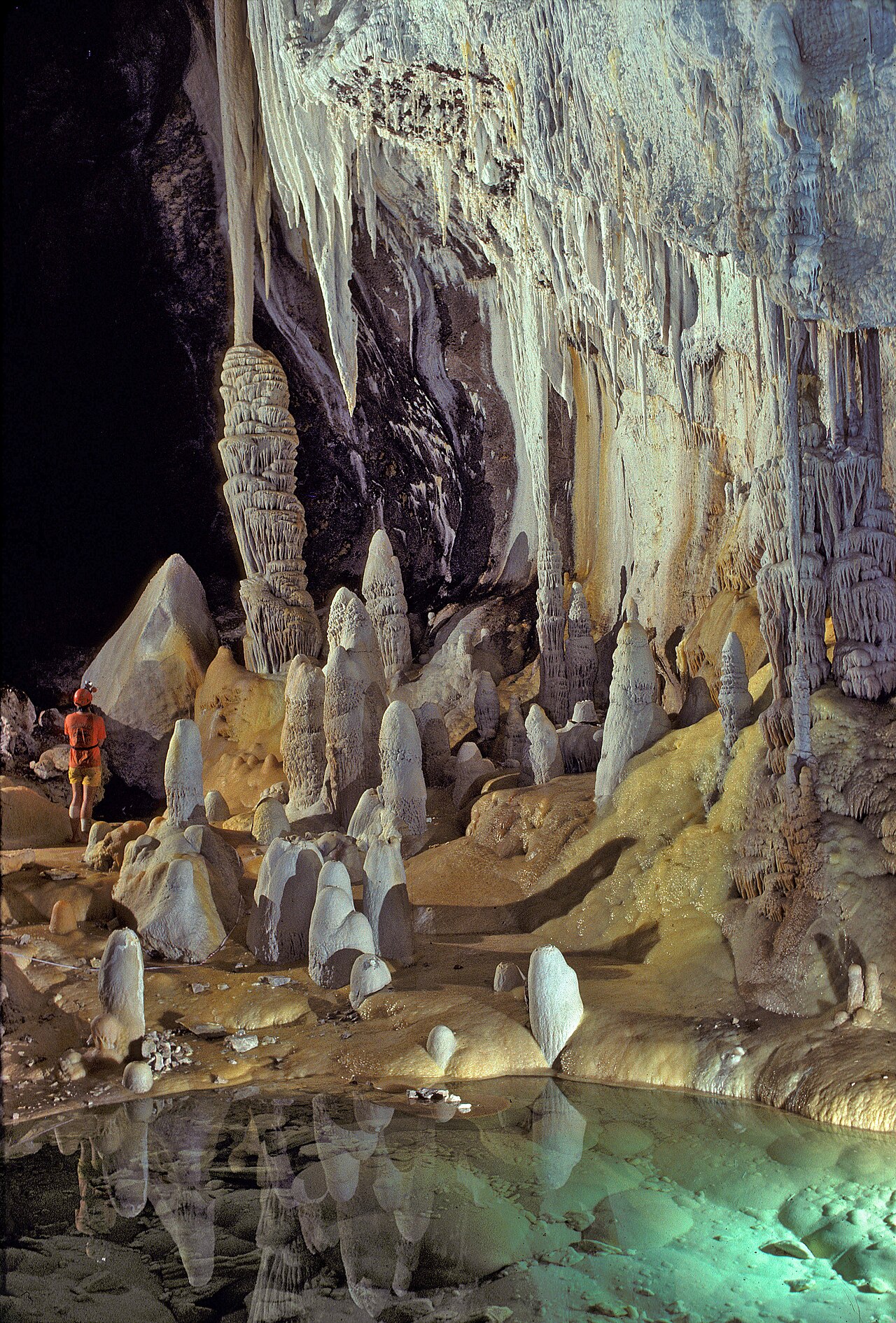
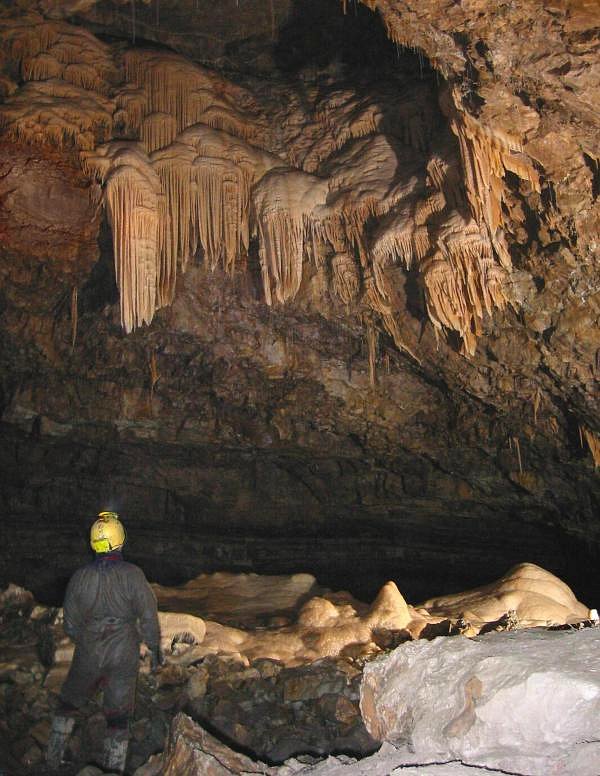
Most caves form in limestone rock. Rainwater absorbs carbon dioxide and becomes slightly acidic. Over time, this acidic water dissolves the rock, creating tunnels and chambers. Dripping water inside caves creates beautiful formations called stalactites hanging from the ceiling and stalagmites growing up from the floor.
Cave Life
Caves have unique ecosystems. Some animals, like bats, use caves for shelter. Other creatures, like cave fish and cave crickets, have adapted to live in permanent darkness. Many cave animals have lost their eyes and pigment because they do not need them in the dark.
Fun Facts
- Mammoth Cave in Kentucky has over 400 miles of mapped passages.
- Cave formations can take thousands of years to grow.
- Some cave-dwelling animals are completely blind.
Did You Know?
A stalactite in a cave grows only about one inch every hundred years. The formations you see in caves may have taken millions of years to develop!

You finished the article! Great job!