
Wikimedia Commons
Deserts
Deserts
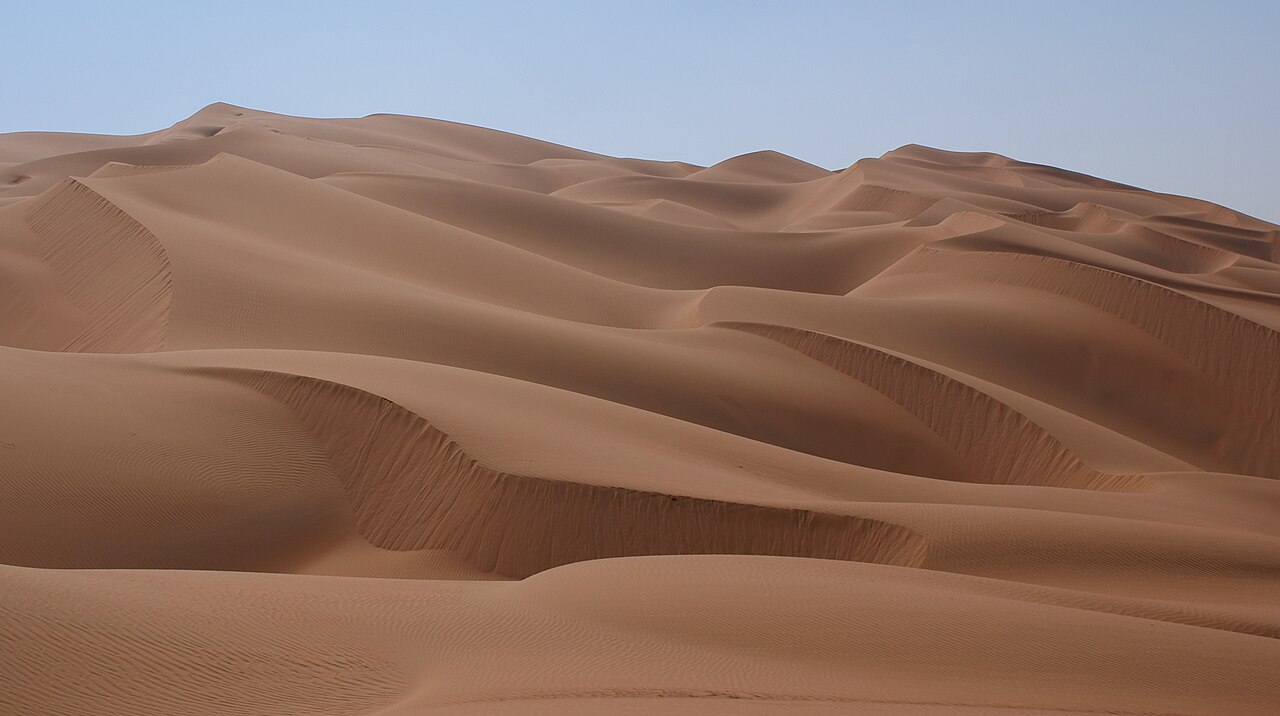
Deserts cover about one-third of Earth's land surface. A desert is any area that gets less than 10 inches of rain per year. Deserts can be hot, like the Sahara, or cold, like Antarctica. Despite the harsh conditions, many plants and animals have adapted to live there.
Hot and Cold Deserts
The Sahara Desert in Africa is the largest hot desert. Temperatures can reach over 130 degrees Fahrenheit during the day. But at night, the temperature can drop below freezing. Antarctica is actually the largest desert on Earth because it gets so little precipitation.
Desert Life
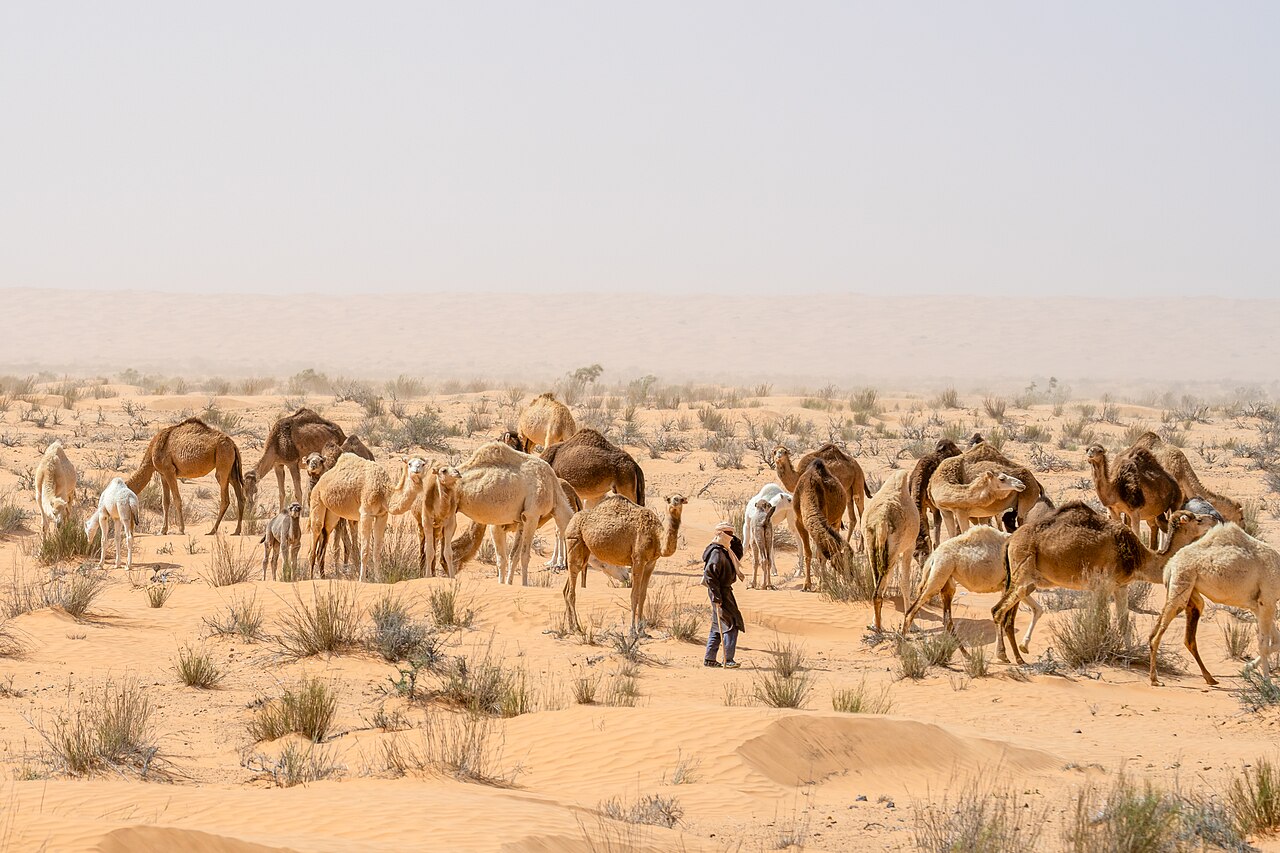
Desert plants like cacti store water in their stems. Desert animals like camels, scorpions, and kangaroo rats have special ways to survive with little water. Many desert animals are nocturnal, coming out only at night when it is cooler.
Fun Facts
- Antarctica is technically the world's largest desert.
- The Sahara Desert is almost as big as the entire United States.
- Some desert plants can survive for years without rain.
Did You Know?
The Atacama Desert in Chile is the driest place on Earth. Some parts have not received rain in over 400 years! Yet scientists have found bacteria living in the soil.

You finished the article! Great job!