
Wikimedia Commons
Glaciers
Glaciers
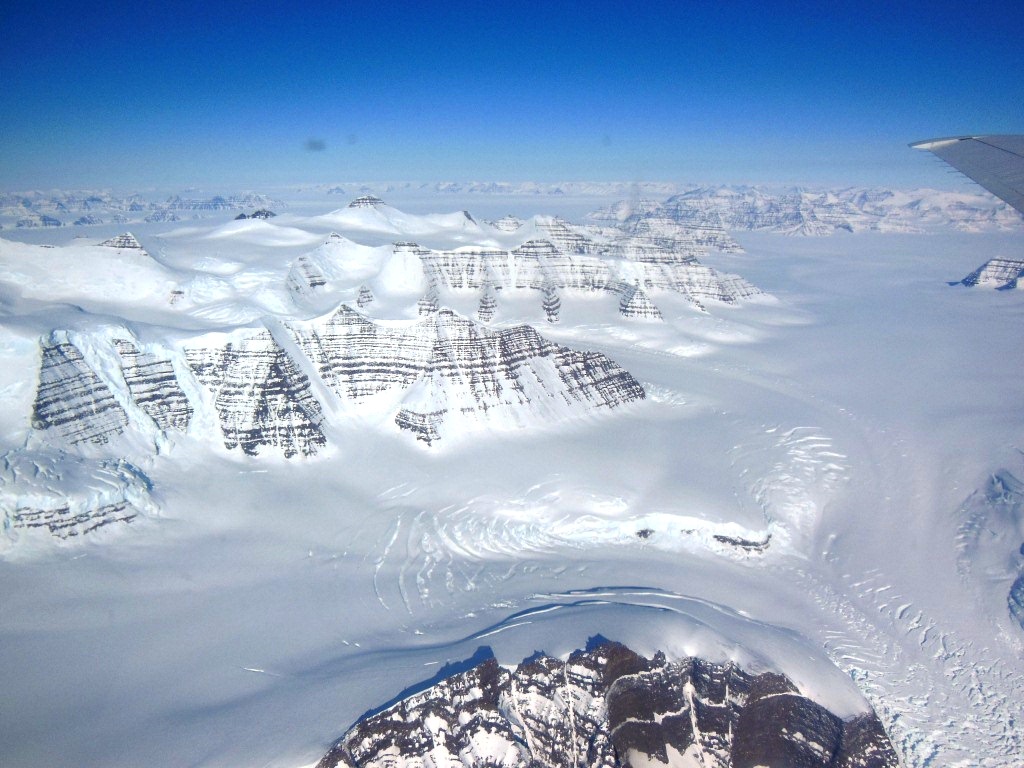
Glaciers are giant sheets of ice that move very slowly. They form in places where more snow falls than melts each year. Over many years, the snow gets packed down and turns into ice. Glaciers can be found in high mountains and near the North and South Poles.
How Glaciers Form
Glaciers need cold weather and lots of snow to grow. Each year, new snow falls on top of old snow. The weight of the snow squeezes the bottom layers into solid ice. Over hundreds of years, the ice becomes very thick and heavy. Then it starts to slide downhill because of gravity.
Why Glaciers Matter
Glaciers are important for our planet. They hold most of the world's fresh water as ice. When glaciers melt, they fill rivers and lakes with water. Glaciers also help shape the land as they move. They carve out valleys, lakes, and fjords over long periods of time.
Fun Facts
- About 10 percent of Earth's land is covered by glaciers.
- The biggest glacier on Earth is in Antarctica and is over 250 miles long.
- Glacier ice often looks blue because of how it absorbs light.
Did You Know?
If all the glaciers on Earth melted, the sea level would rise by about 230 feet, covering many coastal cities.

You finished the article! Great job!