
Wikimedia Commons
Icebergs
Icebergs
Icebergs are giant pieces of ice floating in the sea. They break off from big sheets of ice called glaciers. Icebergs are found mostly near the North and South Poles. Some are as small as a car. Others are as big as a whole town.
How They Form
Icebergs start as packed snow on land. Over many years, the snow turns into thick ice called a glacier. When a glacier reaches the ocean, huge pieces crack off. This is called calving. The broken pieces float away and become icebergs.
Hidden Danger
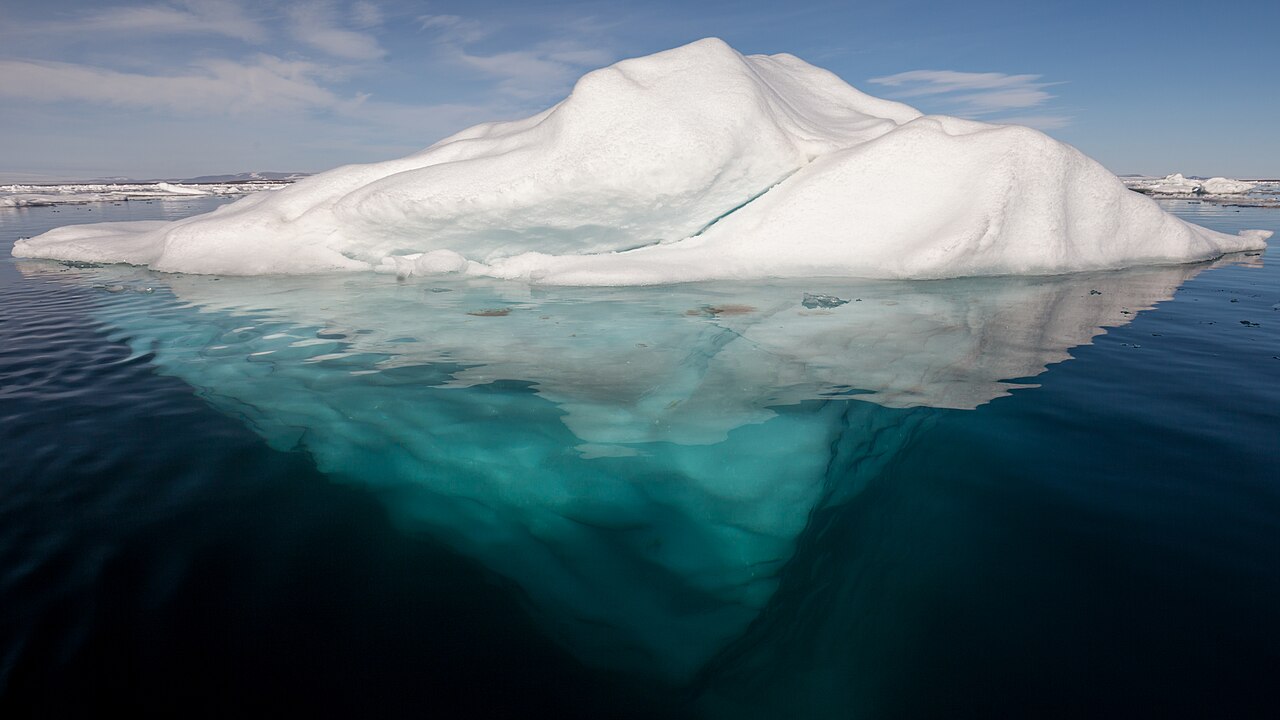
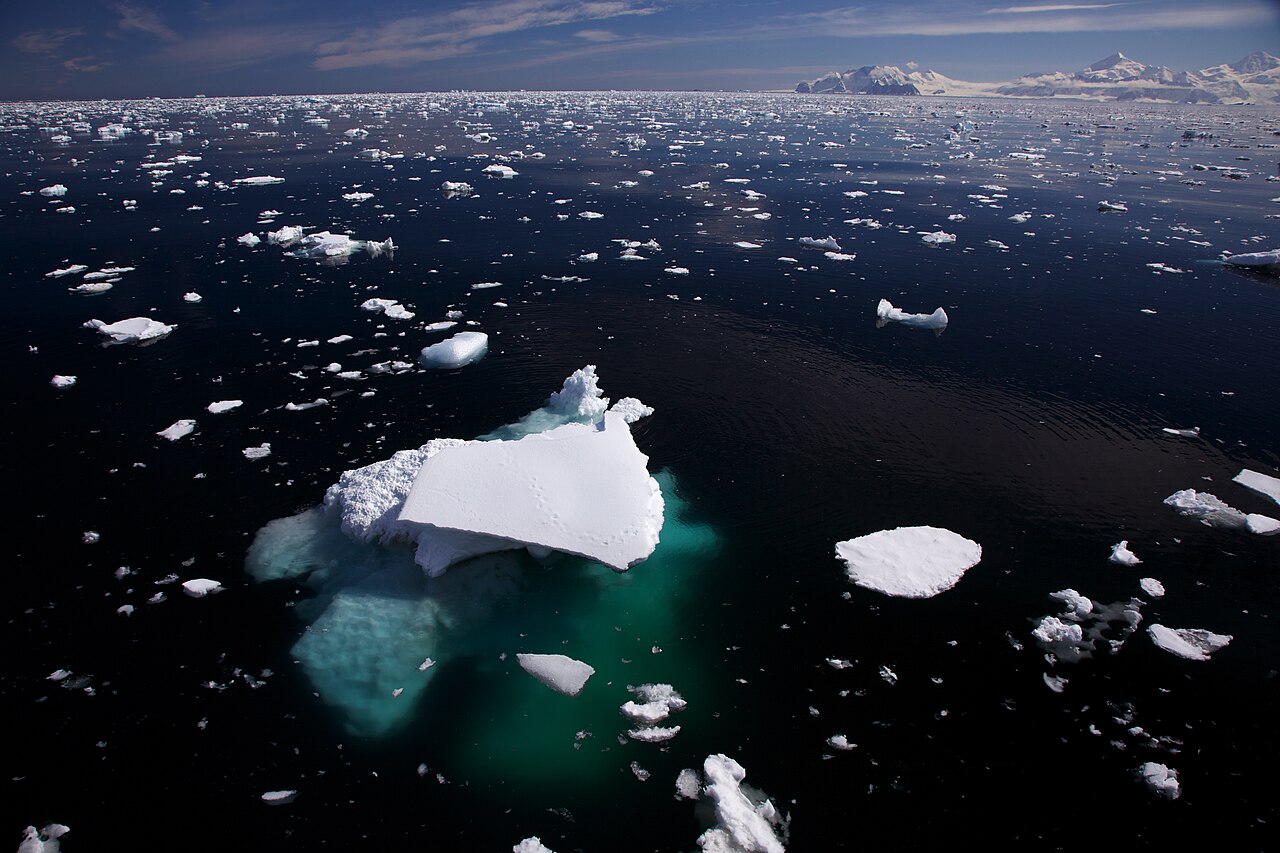
Only a small part of an iceberg shows above the water. Most of it is hidden below the surface. This makes icebergs very dangerous for ships. In 1912, an iceberg sank the ship Titanic. Today, ships and planes watch for icebergs to keep people safe.
Fun Facts
- About 90 percent of an iceberg is underwater.
- Some icebergs look blue because of packed ice.
- Icebergs can last for many years before melting.
Did You Know?
The biggest iceberg ever seen was larger than the country of Jamaica. It floated in the ocean near Antarctica.

You finished the article! Great job!