
Wikimedia Commons
Tundra
Tundra
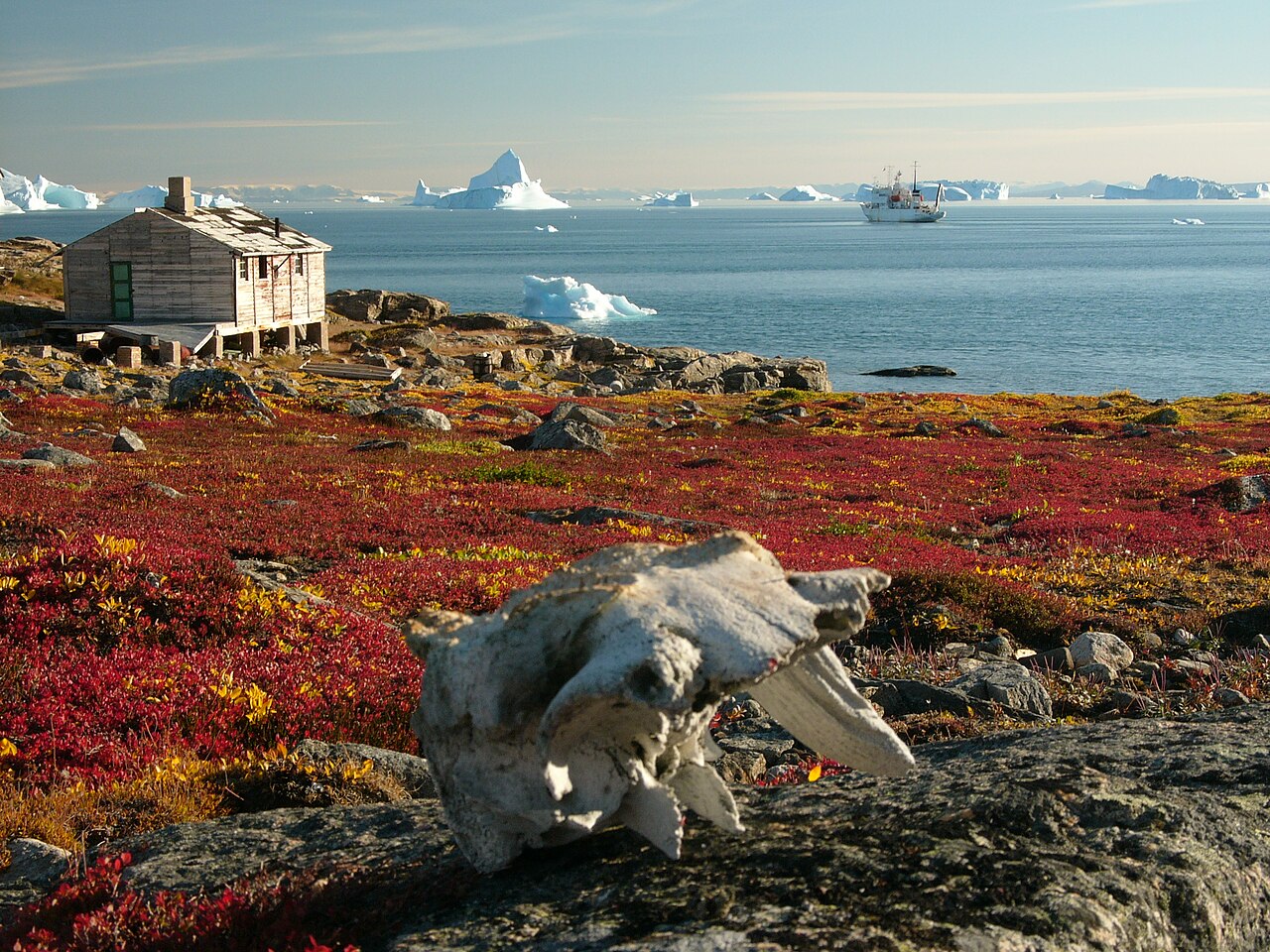
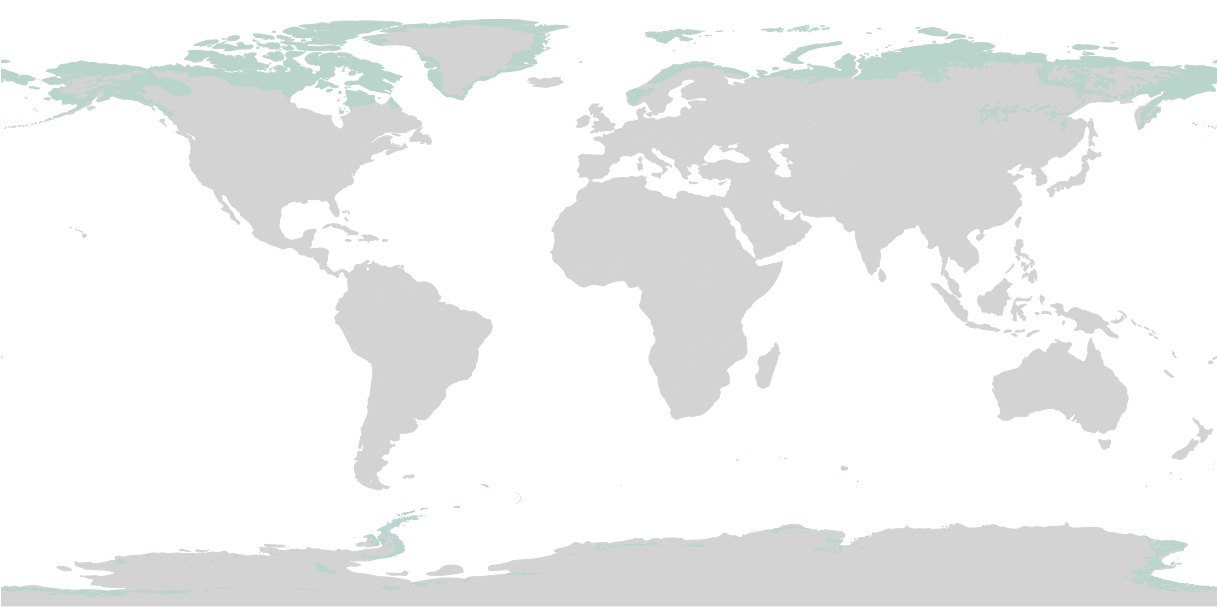
The tundra is one of the coldest biomes on Earth. It is found near the North Pole in places like northern Canada, Russia, and Scandinavia. The word tundra comes from a Finnish word meaning treeless plain. Temperatures can drop to minus 40 degrees in winter.
Frozen Ground
Under the tundra's surface is a layer of permanently frozen soil called permafrost. It can be thousands of feet deep. Only the top few inches of soil thaw in summer. This melting creates bogs and ponds. Because of the permafrost, trees cannot grow their roots deep enough to survive.
Tundra Life
Despite the extreme cold, many animals thrive in the tundra. Arctic foxes, caribou, snowy owls, and polar bears live here. In summer, millions of birds migrate to the tundra to breed. Small plants like mosses, lichens, and low shrubs cover the ground.
Fun Facts
- Tundra permafrost can be over 1,000 feet deep.
- Summer days in the tundra can have 24 hours of sunlight.
- The tundra covers about 20 percent of Earth's surface.
Did You Know?
The tundra's permafrost contains about twice as much carbon as the atmosphere. As climate change causes it to thaw, this carbon could be released, speeding up global warming.

You finished the article! Great job!