
Wikimedia Commons
Alexander Fleming
Alexander Fleming
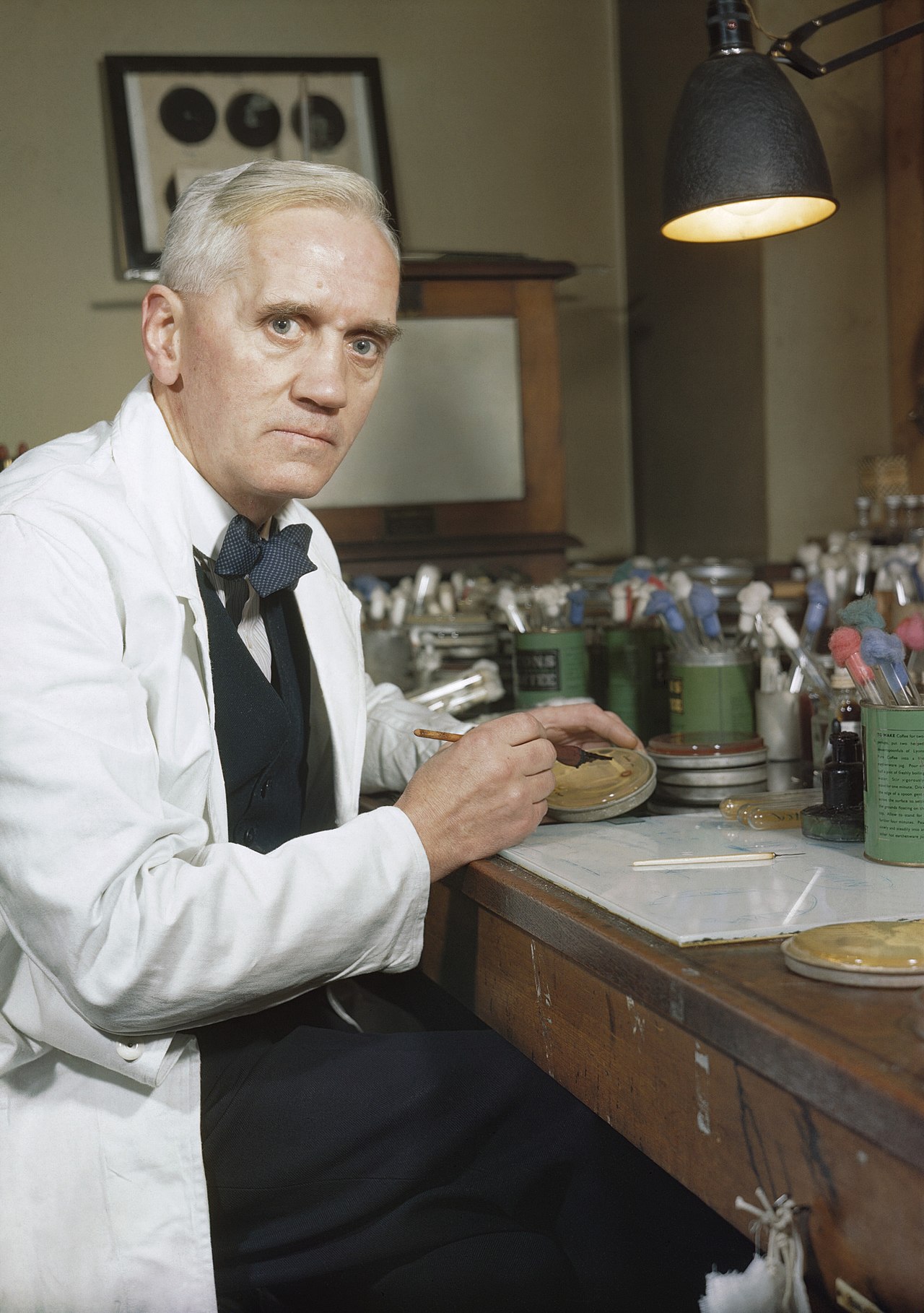
Alexander Fleming was a Scottish scientist who discovered penicillin. He was born in Ayrshire, Scotland, in 1881. He found that a type of mold could kill bacteria. This led to the first antibiotic medicine and saved millions of lives.
Early Life
Fleming grew up on a farm in Scotland. He moved to London as a teenager and worked in a shipping office. He later studied medicine at St Mary's Hospital. He became a doctor and researcher.
Big Discoveries
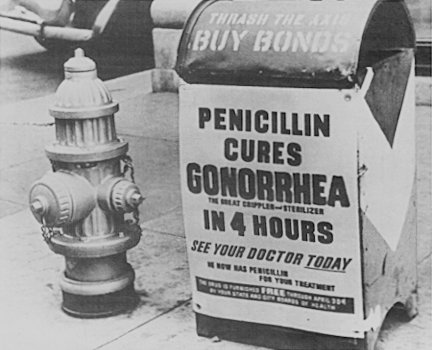
In 1928, Fleming noticed that mold had killed bacteria in one of his petri dishes. He figured out the mold made a substance that fights germs. He called it penicillin. Other scientists later turned it into a medicine. Fleming won the Nobel Prize in 1945.
Fun Facts
- Fleming's discovery was a lucky accident because he left his lab messy.
- He was also a talented painter who made pictures using colorful bacteria.
- Fleming served as a captain in the army medical corps during World War I.
Did You Know?
Before antibiotics, even a small cut could kill a person if it got infected. Penicillin was first widely used in World War II and saved thousands of soldiers' lives.

You finished the article! Great job!