
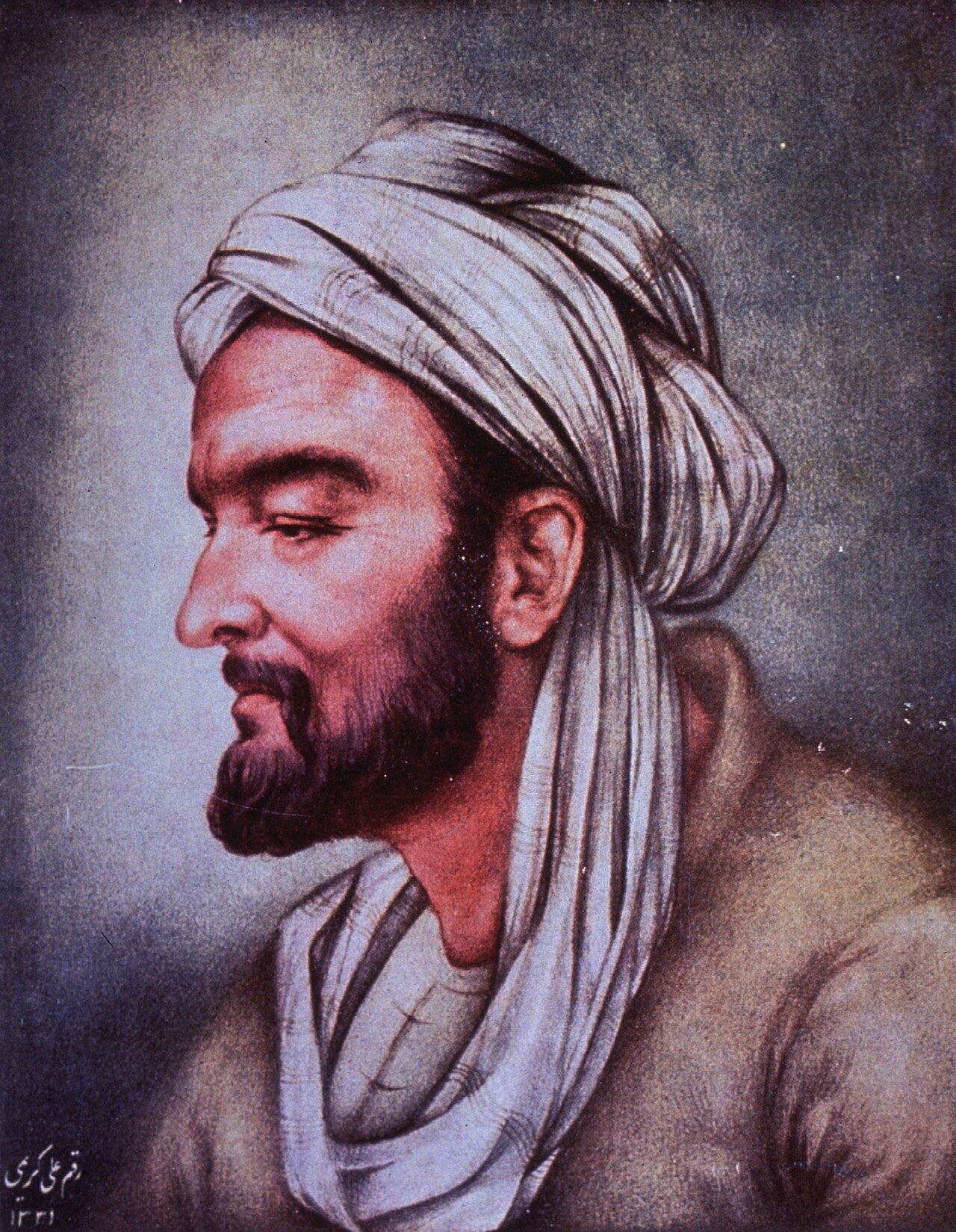
Wikimedia Commons
Avicenna
Avicenna
Avicenna, also known as Ibn Sina, was a Persian physician and philosopher. He was born near Bukhara, in present-day Uzbekistan, in 980 AD. He wrote The Canon of Medicine, which was the most important medical textbook for centuries. He is considered one of the greatest thinkers of the Islamic Golden Age.
Early Life
Avicenna was a child prodigy who memorized the entire Quran by age 10. He studied medicine and began treating patients at age 16. He was so talented that the local ruler asked him to be his doctor. He read and wrote constantly throughout his life.
Big Achievements
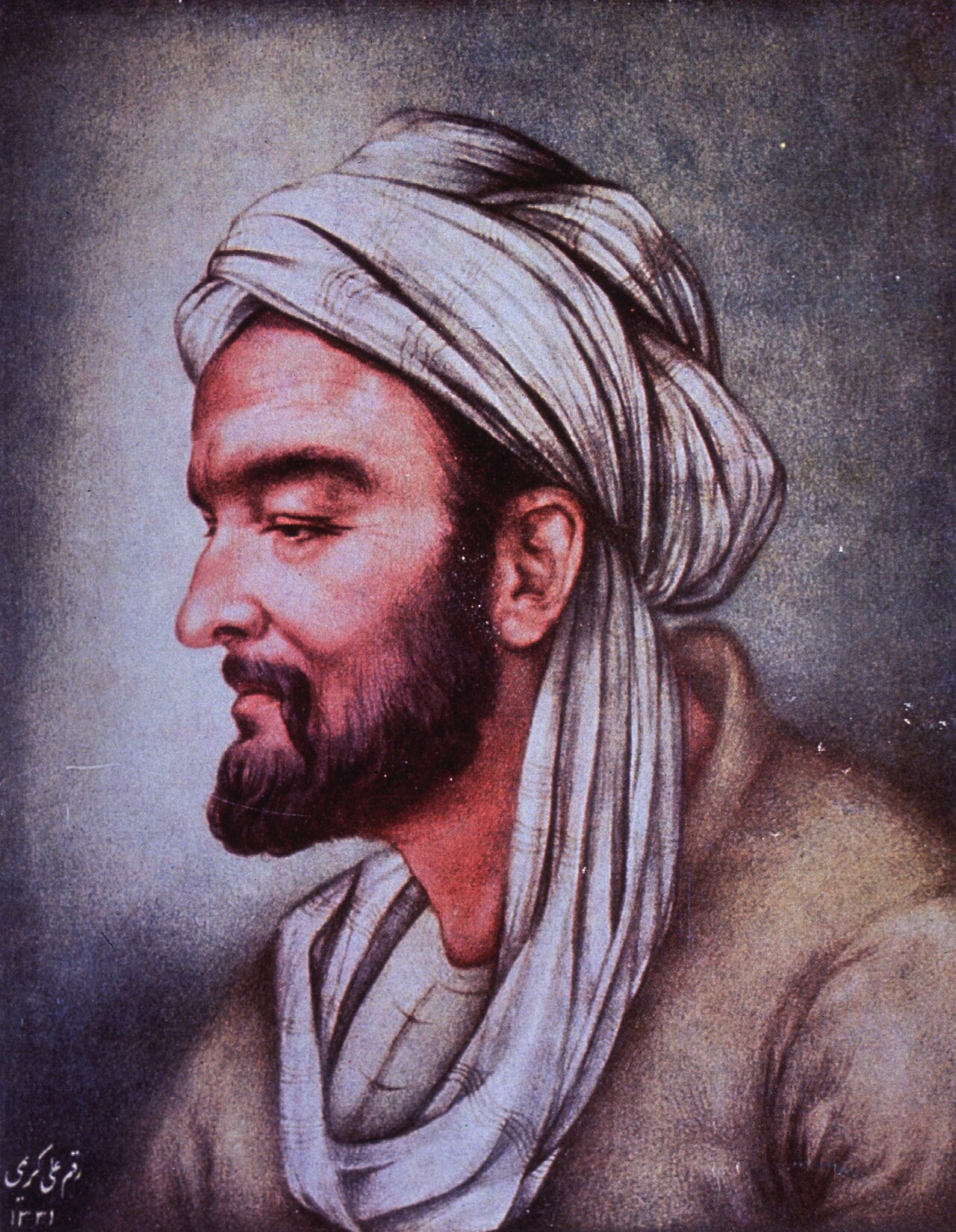
Avicenna wrote The Canon of Medicine, a five-volume encyclopedia of medical knowledge. The book was used in European and Islamic universities for over 600 years. He also wrote about philosophy, astronomy, and mathematics. He wrote over 450 works during his lifetime.
Fun Facts
- Avicenna memorized the Quran by age 10.
- His medical textbook was used for over 600 years.
- He wrote over 450 works on many different subjects.
Did You Know?
Avicenna's Canon of Medicine was so thorough that European doctors used it as their main textbook until the 1700s. He described conditions like meningitis and diabetes centuries before European doctors understood them.

You finished the article! Great job!