
Wikimedia Commons
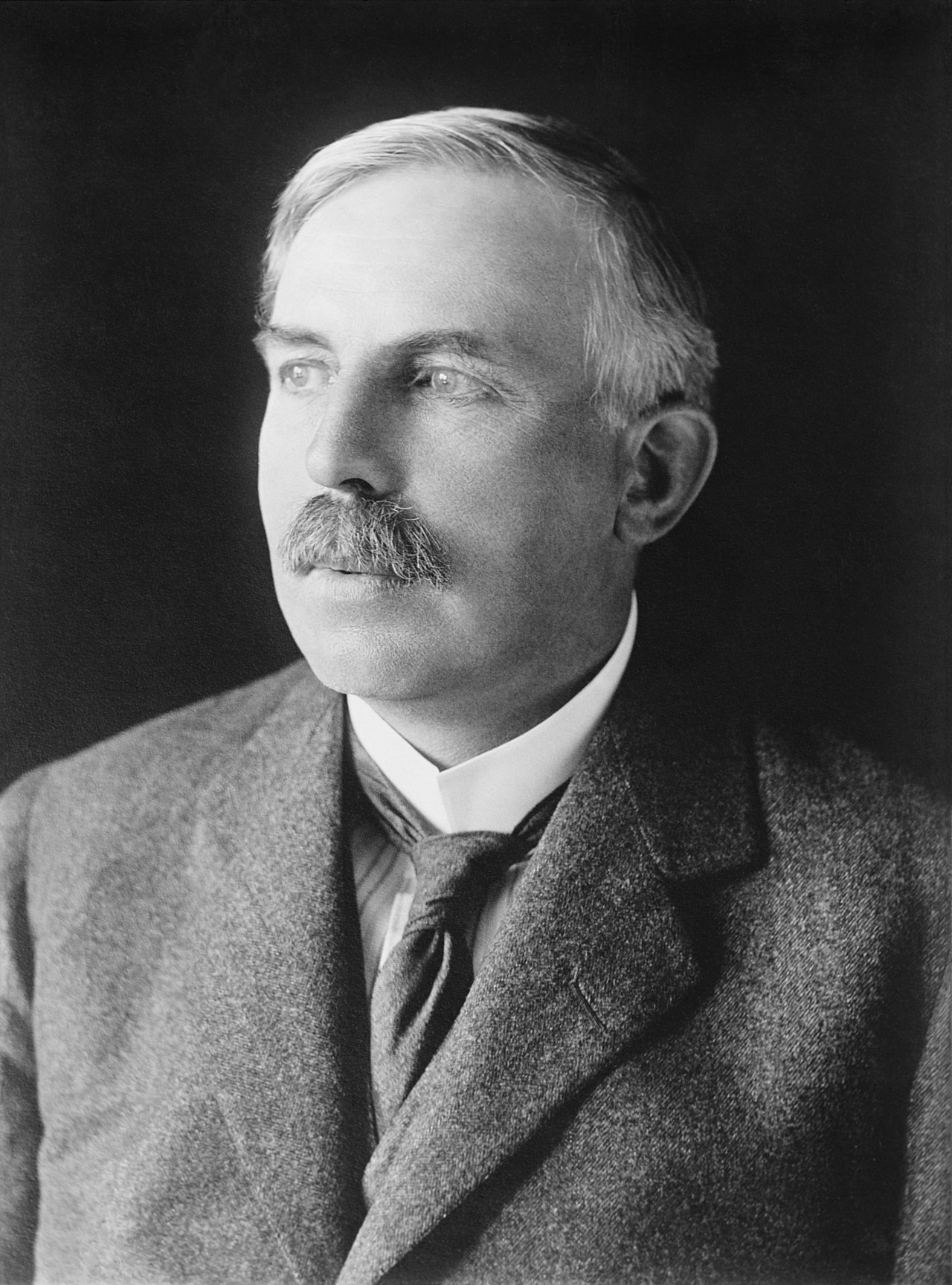
Ernest Rutherford
Ernest Rutherford
Ernest Rutherford was a New Zealand-British physicist. He was born in Brightwater, New Zealand, in 1871. He discovered the nucleus of the atom. He is known as the father of nuclear physics.
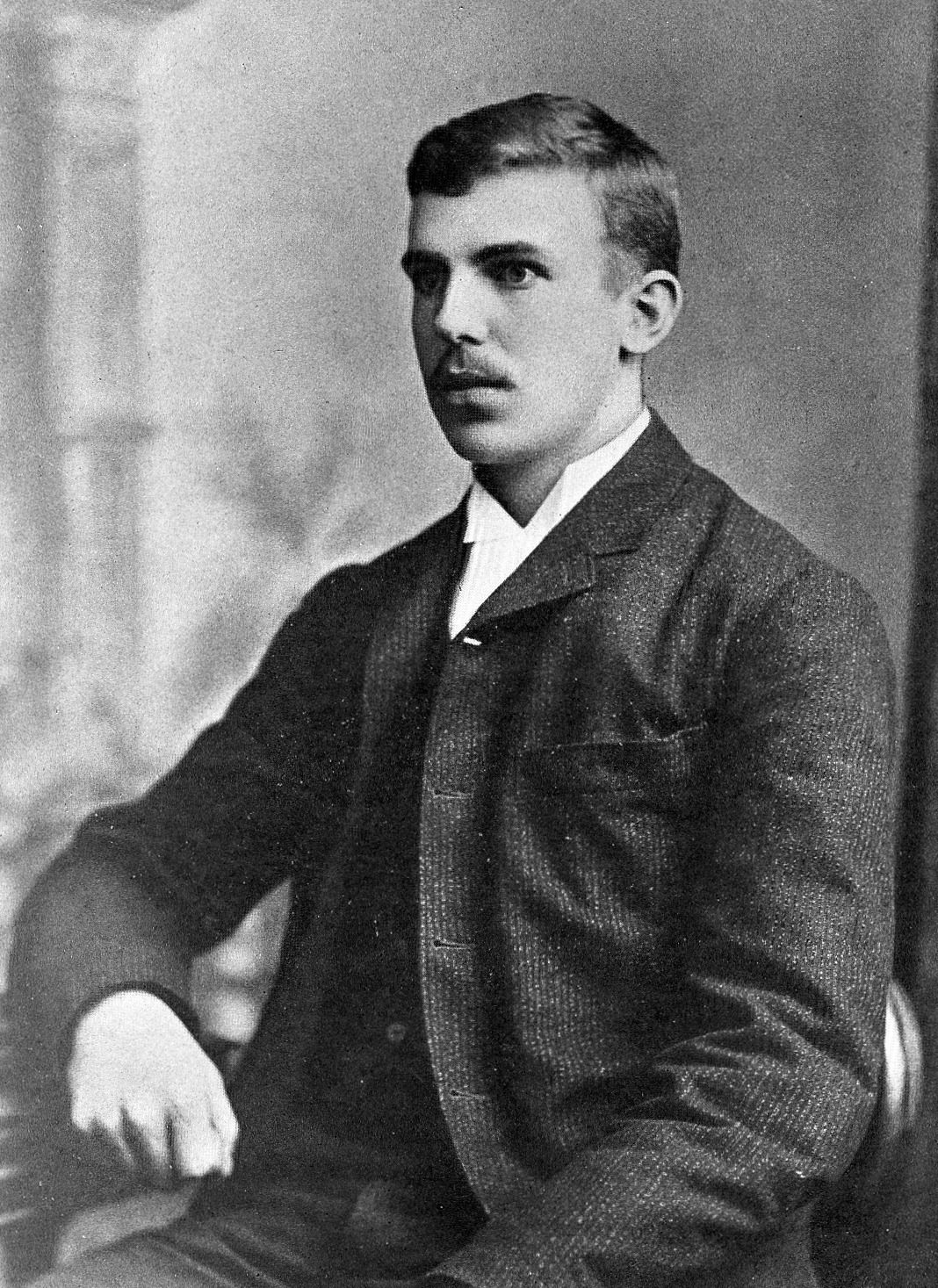
Early Life
Rutherford grew up on a farm in New Zealand. He loved science from a young age. He won a scholarship to study in England at Cambridge University. He quickly became one of the leading scientists in the world.
Big Discoveries
Rutherford fired tiny particles at a thin sheet of gold foil. Most went through, but some bounced back. This proved atoms have a tiny, dense center called a nucleus. He won the Nobel Prize in Chemistry in 1908. He also split the atom for the first time.
Fun Facts
- Rutherford won the Nobel Prize in Chemistry even though he considered himself a physicist.
- He split the atom in 1917.
- His face appears on the New Zealand $100 bill.
Did You Know?
Rutherford's gold foil experiment was one of the most important in the history of science. It showed that atoms are mostly empty space with a tiny nucleus at the center.

You finished the article! Great job!