
Wikimedia Commons
Robert Hooke
Robert Hooke
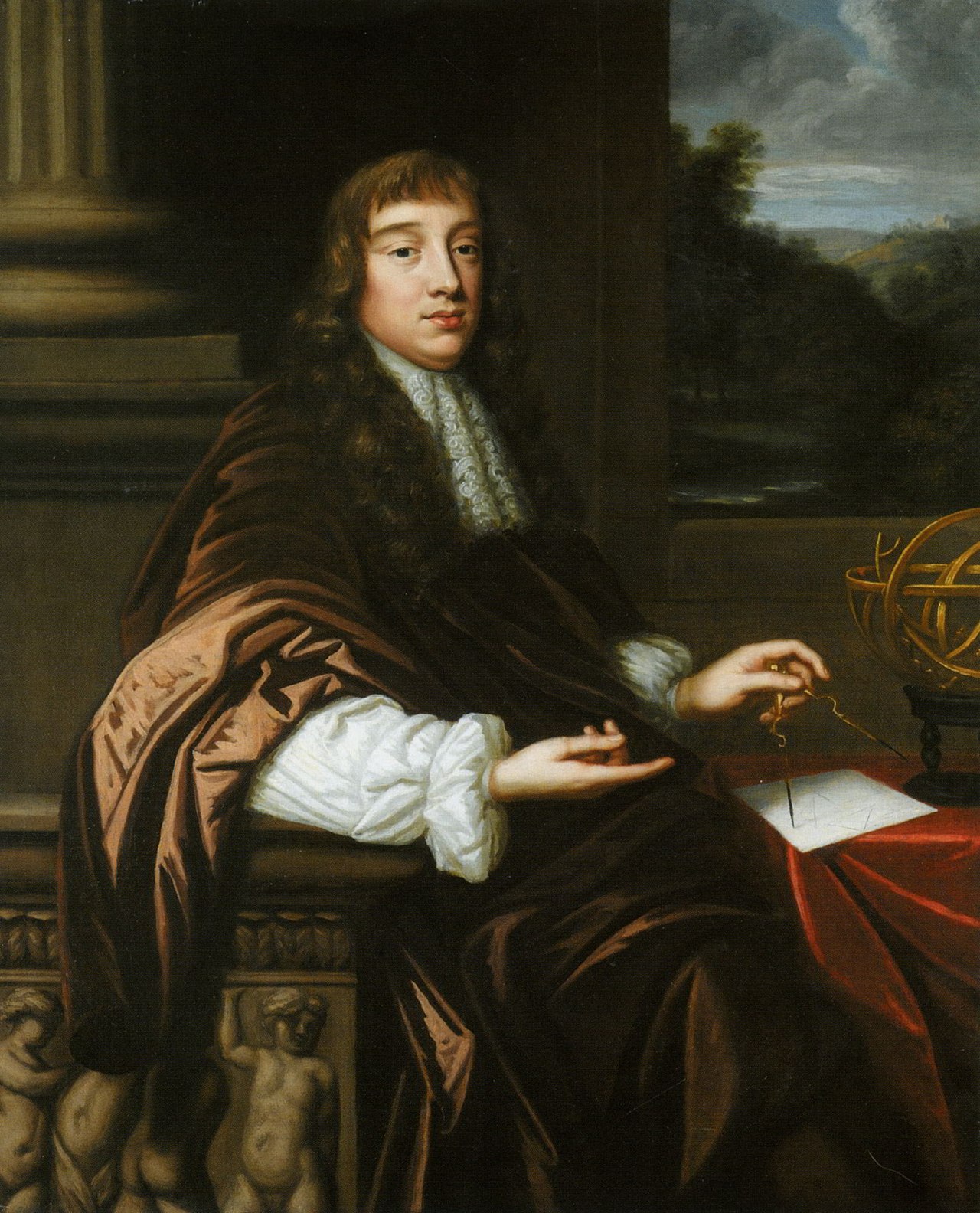
Robert Hooke was an English scientist and inventor. He was born on the Isle of Wight in 1635. He was one of the first people to use a microscope to study tiny living things. He discovered cells, the building blocks of all life.
Early Life
Hooke was often sick as a child. He loved drawing and building mechanical toys. He studied at Oxford University where he met other famous scientists. He became a skilled inventor and experimenter.
Big Discoveries
Hooke looked at a thin slice of cork under a microscope. He saw tiny box-like shapes and called them cells. He wrote a book called Micrographia with beautiful drawings of things seen through microscopes. He also helped rebuild London after the Great Fire of 1666.
Fun Facts
- Hooke's book Micrographia contained the first detailed drawing of a flea.
- He invented the balance spring used in watches.
- No confirmed portrait of Hooke exists today.
Did You Know?
Hooke called the tiny structures cells because they reminded him of the small rooms monks lived in, which were also called cells. Every living thing on Earth is made up of these tiny cells.

You finished the article! Great job!