
Wikimedia Commons
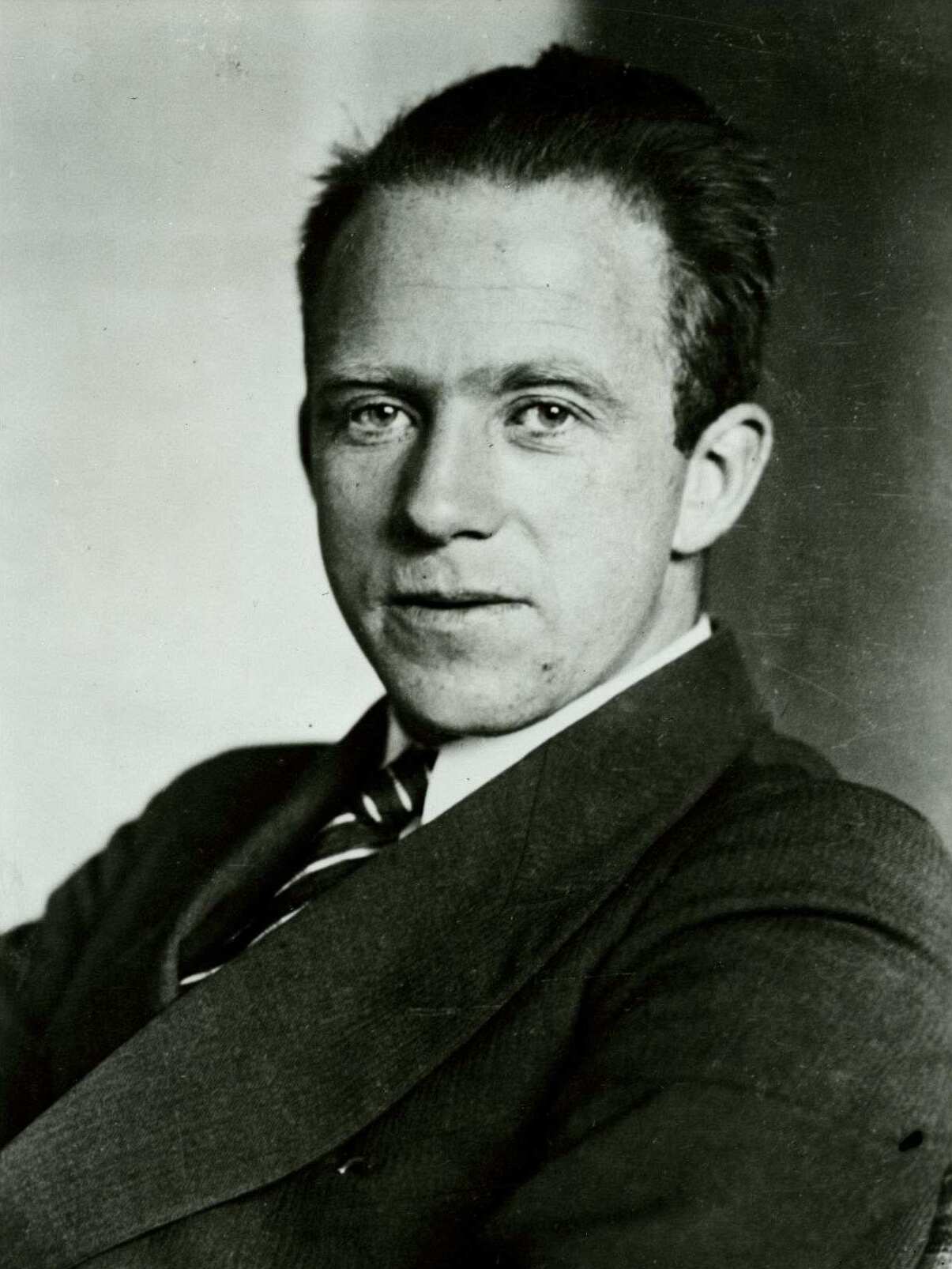
Werner Heisenberg
Werner Heisenberg
Werner Heisenberg was born in Germany in 1901. He was a very bright student. He became a physicist who studied tiny bits of matter. He made a famous rule called the 'uncertainty principle.' He won the Nobel Prize in 1932.
His Big Idea
Heisenberg studied how tiny particles like electrons move. He found that you cannot know both where a particle is and how fast it goes at the same time. This idea is called the uncertainty principle. It surprised many scientists. It is still a big part of physics today.
His Life
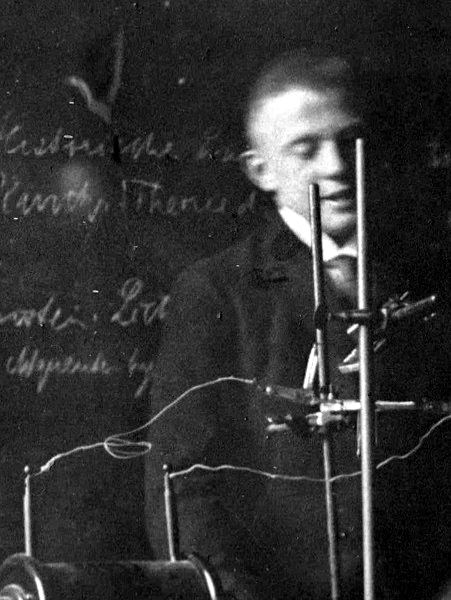
Heisenberg studied at famous schools in Germany. He worked with other great scientists of his time. During World War II, he stayed in Germany. After the war, he helped build up science in his country again. He also wrote books about science for regular people.
Fun Facts
- He loved music and played the piano very well.
- He came up with his famous idea when he was only 24 years old.
- He enjoyed hiking in the mountains.
Did You Know?
Heisenberg's uncertainty principle means that some things in nature just cannot be known for sure.

You finished the article! Great job!