
Wikimedia Commons
Atmosphere
Atmosphere
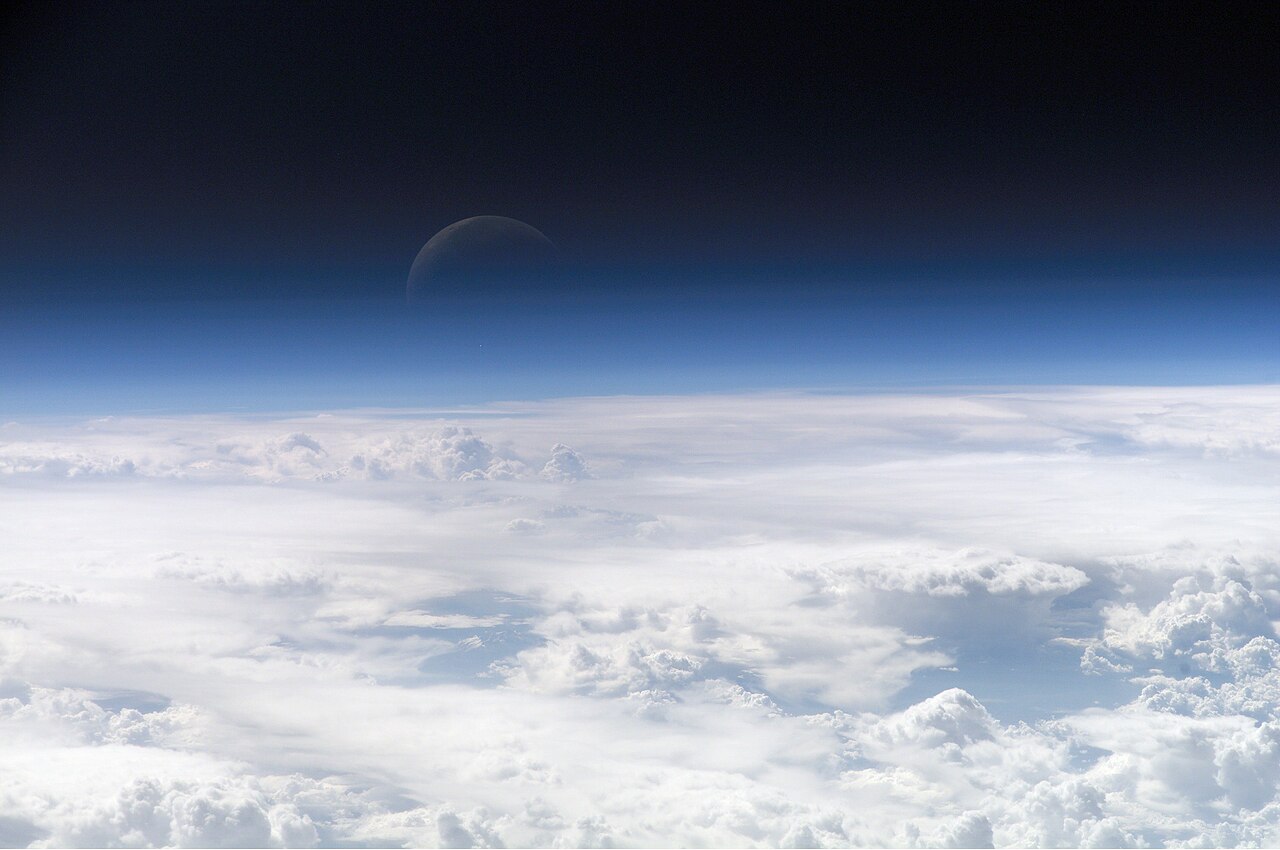
Earth's atmosphere is the blanket of air that surrounds our planet. It is made mostly of nitrogen and oxygen. The atmosphere protects us from harmful radiation from the Sun, keeps the planet warm, and gives us the air we breathe. Without the atmosphere, Earth would be a lifeless, frozen rock.
Layers of the Atmosphere
The atmosphere has five main layers. The troposphere is the lowest layer where all our weather happens. The stratosphere above it contains the ozone layer. The mesosphere is where meteors burn up. The thermosphere is very hot because it absorbs solar radiation. The exosphere is the outermost layer that fades into space.
Why the Atmosphere Matters
The atmosphere does many important jobs. It blocks harmful ultraviolet rays from the Sun. It traps heat to keep Earth warm enough for life, like a greenhouse. It provides oxygen for breathing and carbon dioxide for plants. It also protects us from small meteoroids that burn up before reaching the ground.
Fun Facts
- The atmosphere is about 300 miles thick, but most of the air is within 10 miles of the surface.
- If Earth were the size of a basketball, the atmosphere would be thinner than a sheet of plastic wrap.
- The sky looks blue because air molecules scatter blue light from the Sun more than other colors.
Did You Know?
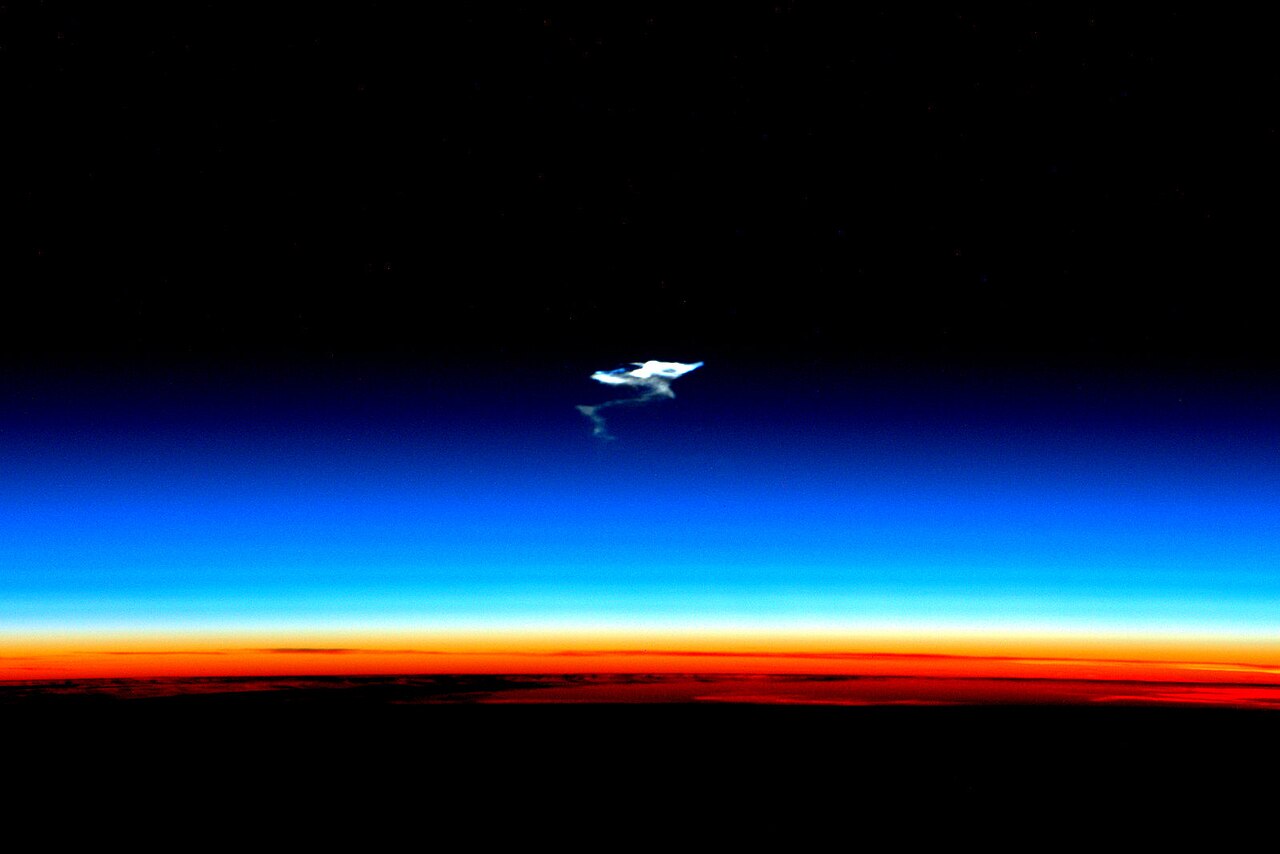
Sunsets are orange and red because of the atmosphere! When the Sun is near the horizon, its light has to travel through much more atmosphere. The blue light gets scattered away, leaving the longer red and orange wavelengths to reach your eyes. Without an atmosphere, the sky would always be black, even during the day!

You finished the article! Great job!