
Wikimedia Commons
Buoyancy
Buoyancy
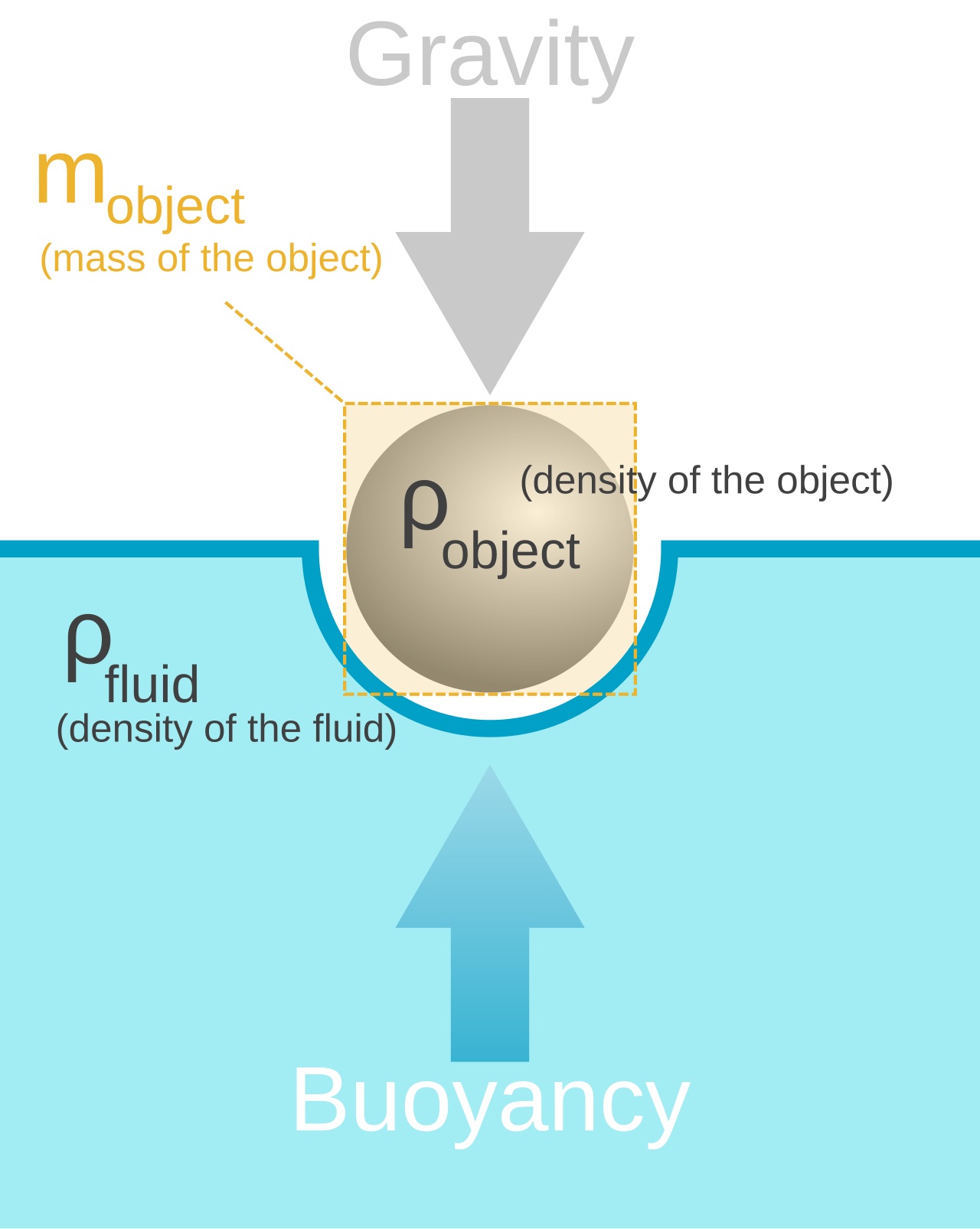
Buoyancy is the reason some things float. When you put something in water, the water pushes up on it. If the push is strong enough, the object floats. If not, it sinks. This upward push is called the buoyant force.
Why Things Float
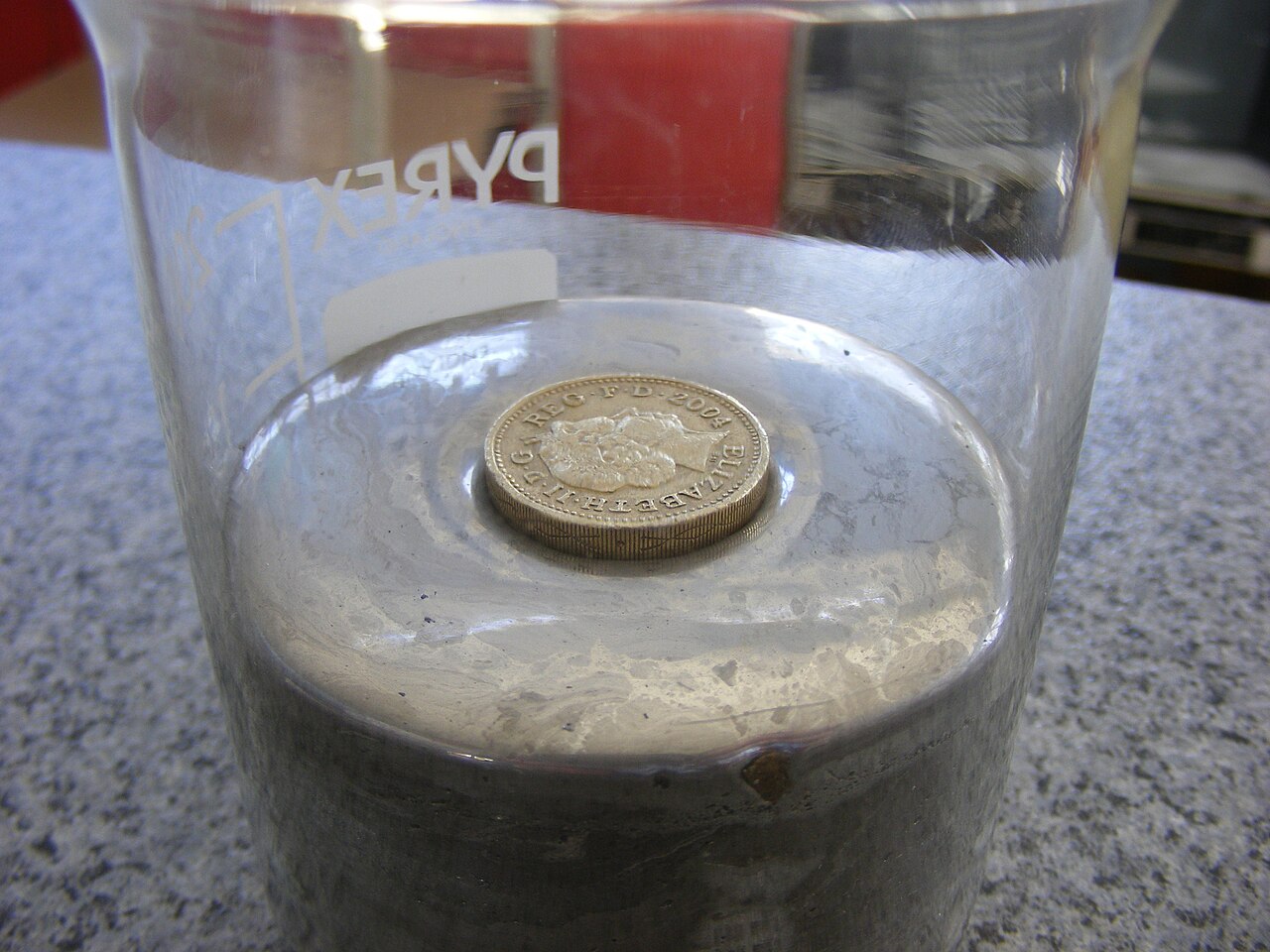
An object floats if it is less dense than water. A beach ball floats because it is full of air. A coin sinks because it is heavier than the water it pushes aside. Boats float even though they are made of metal. This is because they are shaped to hold lots of air inside.
Buoyancy in Air
Buoyancy does not just work in water. It works in air too. Hot air balloons float because hot air is lighter than cold air. Helium balloons rise because helium is lighter than the air around us. Without buoyancy, nothing could float at all.
Fun Facts
- Salt water is denser than fresh water, so you float more easily in the ocean.
- A scientist named Archimedes figured out how buoyancy works long ago.
- Submarines can float or sink by changing how much water they hold.
Did You Know?
The Dead Sea is so salty that people can float on top without even trying.

You finished the article! Great job!