
Wikimedia Commons
Catalysts
Catalysts
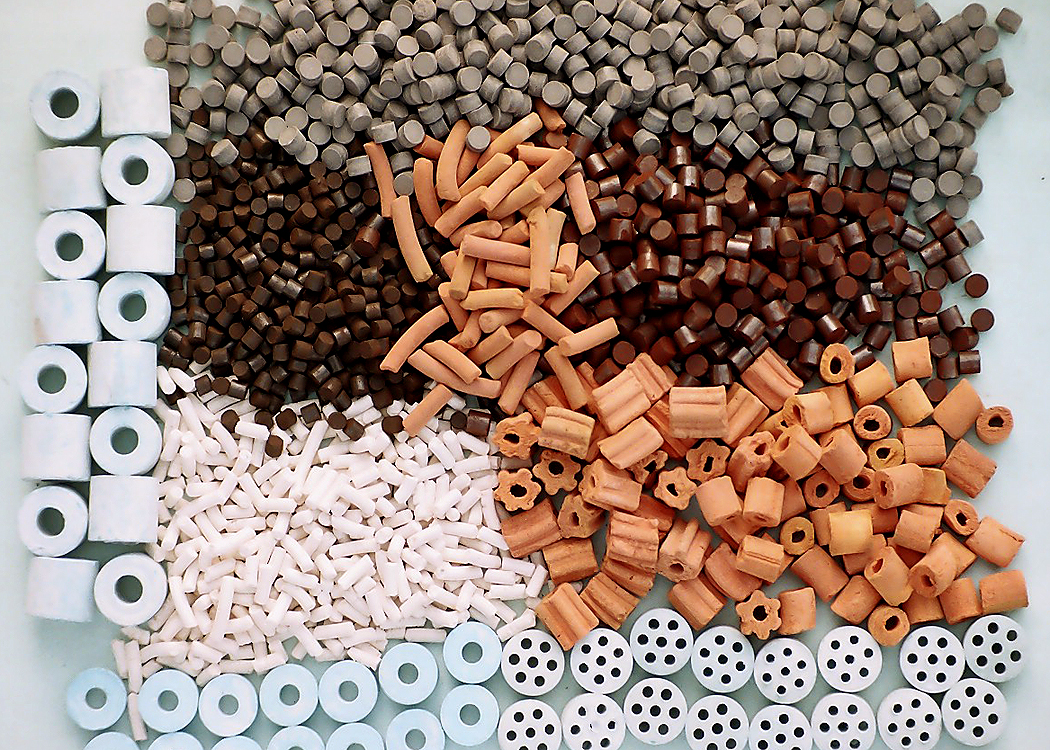
A catalyst is a helper in chemistry. It makes a reaction happen faster. But the catalyst itself does not change or get used up. Scientists use catalysts to make many things we use every day.
How Catalysts Help
Some reactions happen very slowly on their own. A catalyst gives the reaction a boost. It works like a shortcut for the chemicals. After the reaction, the catalyst is still there and ready to help again. This saves time and energy.
Catalysts in Life
Catalysts are not only in labs. Your body has its own catalysts called enzymes. Enzymes help you digest your food. Cars have special parts called catalytic converters. These clean up harmful gases before they leave the tailpipe.
Fun Facts
- Your saliva has a catalyst that starts breaking down food as you chew.
- Many catalysts are made from metals like platinum.
- Plants use catalysts to turn sunlight into food.
Did You Know?
Without enzymes, which are natural catalysts, the food you eat would take years instead of hours to digest.

You finished the article! Great job!