
Wikimedia Commons
Clouds
Clouds
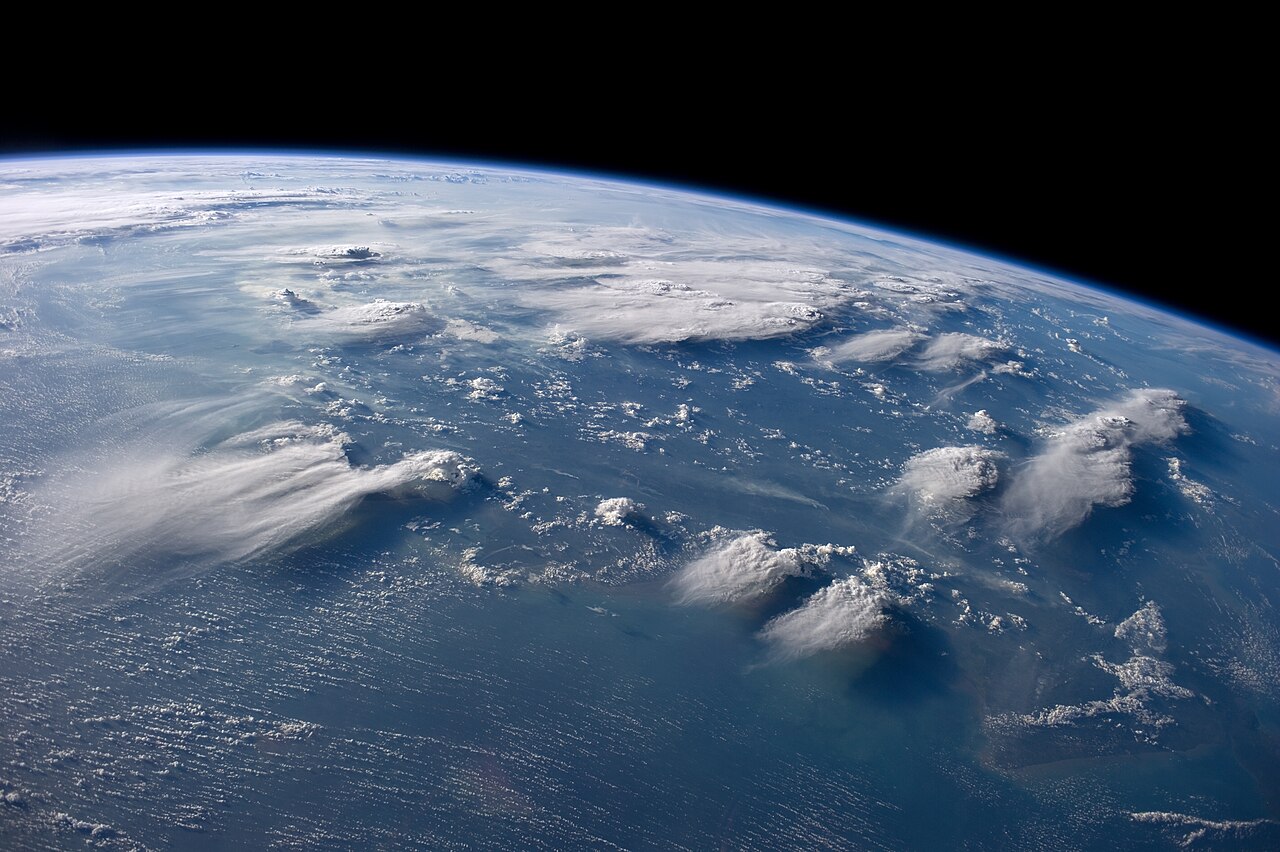
Clouds may look like fluffy cotton balls, but they are actually made of billions of tiny water droplets or ice crystals. Clouds form when water evaporates from the surface and rises into the sky. As the air gets higher and cooler, the water vapor condenses into tiny droplets. These droplets clump together to form clouds.
Types of Clouds
There are three main types of clouds. Cumulus clouds are the big, fluffy, white clouds you see on nice days. Stratus clouds are flat, gray sheets that cover the whole sky. Cirrus clouds are thin, wispy clouds high up in the sky. Dark cumulonimbus clouds are the ones that bring thunderstorms.
What Clouds Tell Us
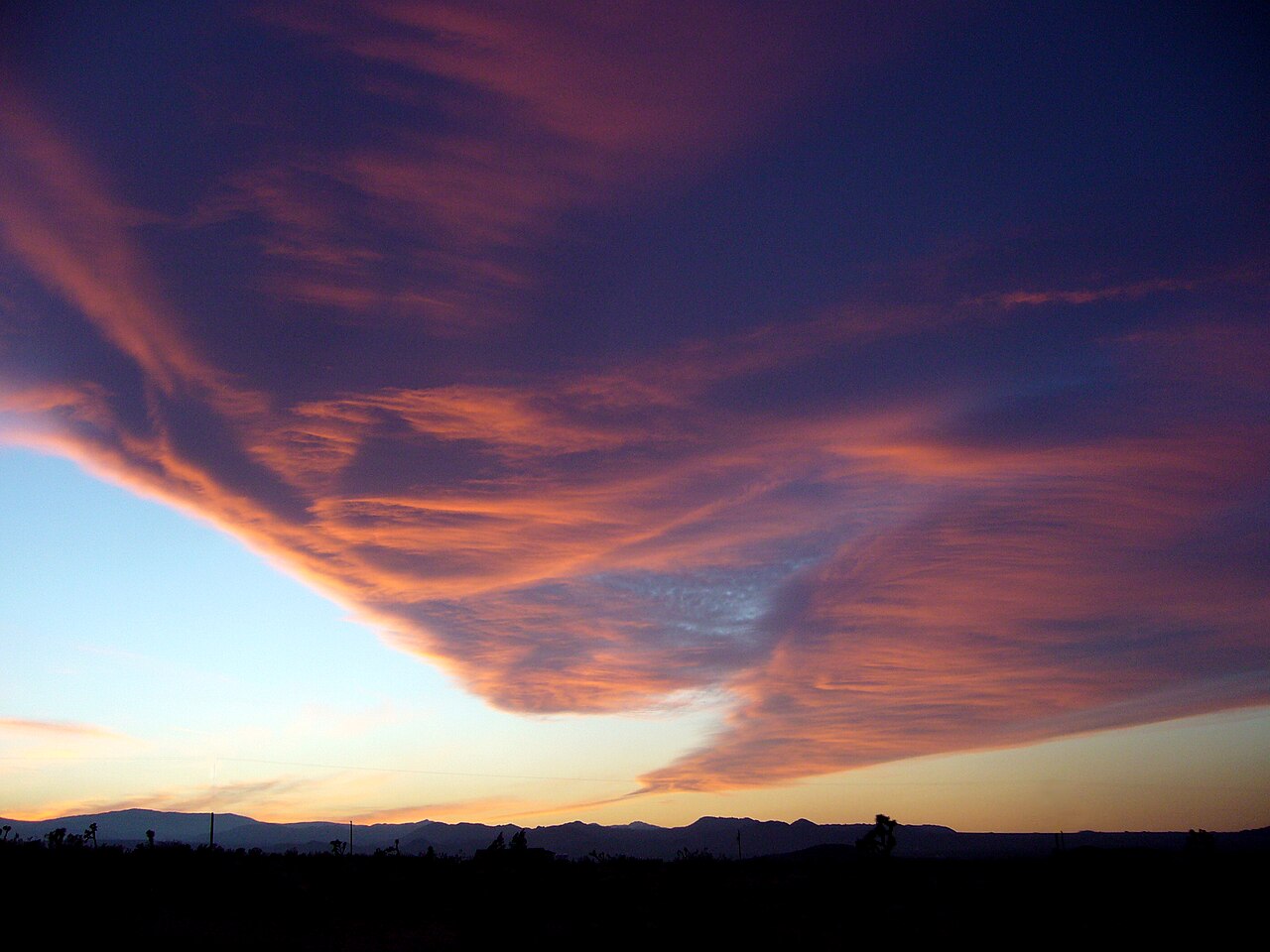
Clouds can help you predict the weather. White, fluffy cumulus clouds usually mean fair weather. Gray stratus clouds often bring light rain or drizzle. Tall, dark cumulonimbus clouds warn of storms ahead. Thin, high cirrus clouds can mean the weather will change within a day or two.
Fun Facts
- A typical cumulus cloud weighs about 1.1 million pounds.
- Clouds float because the tiny water droplets are so small and light that air currents keep them up.
- The highest clouds, called noctilucent clouds, form about 50 miles above Earth.
Did You Know?
Fog is actually a cloud that forms at ground level! When air near the ground cools enough for water vapor to condense, fog forms. Walking through fog is like walking through a cloud. San Francisco is famous for its fog that rolls in from the Pacific Ocean.

You finished the article! Great job!