
Wikimedia Commons
Electric Cars
Electric Cars
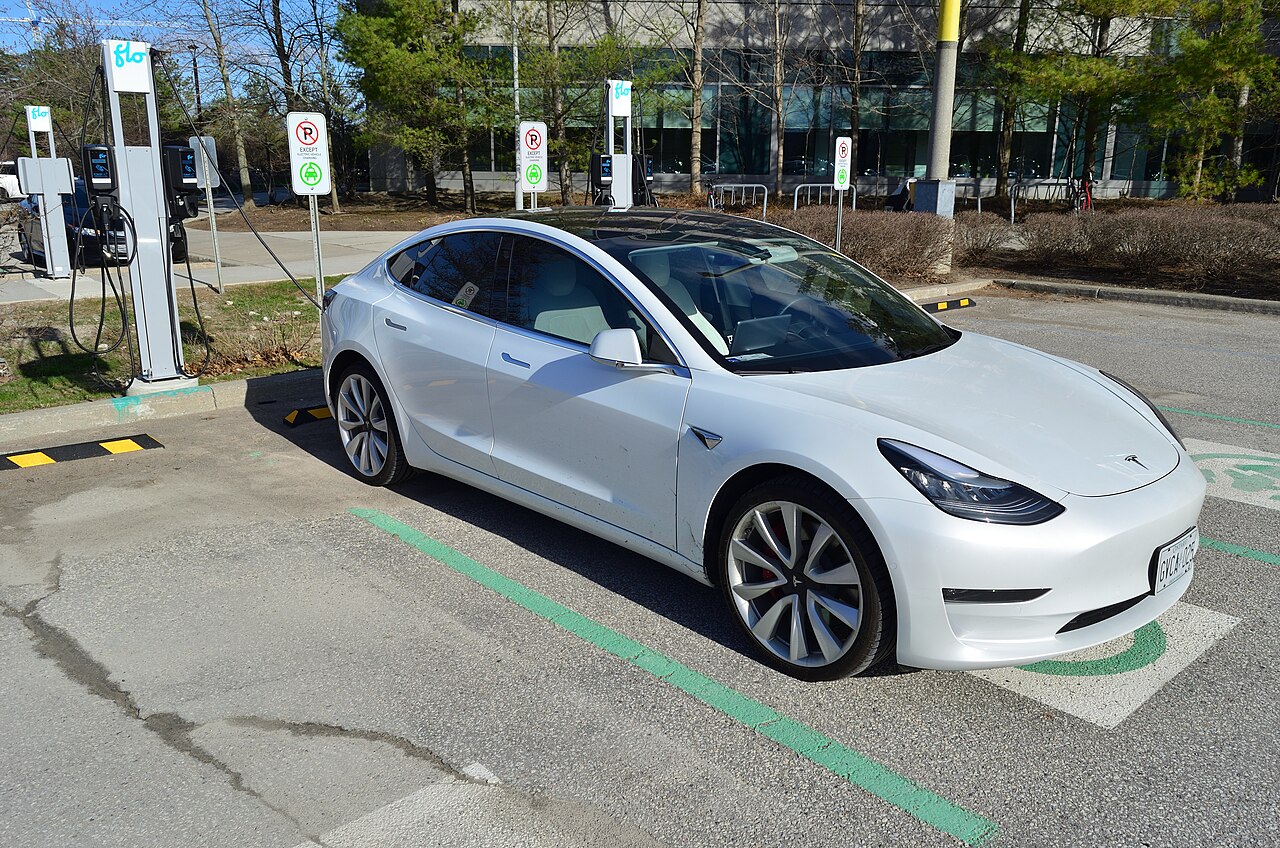
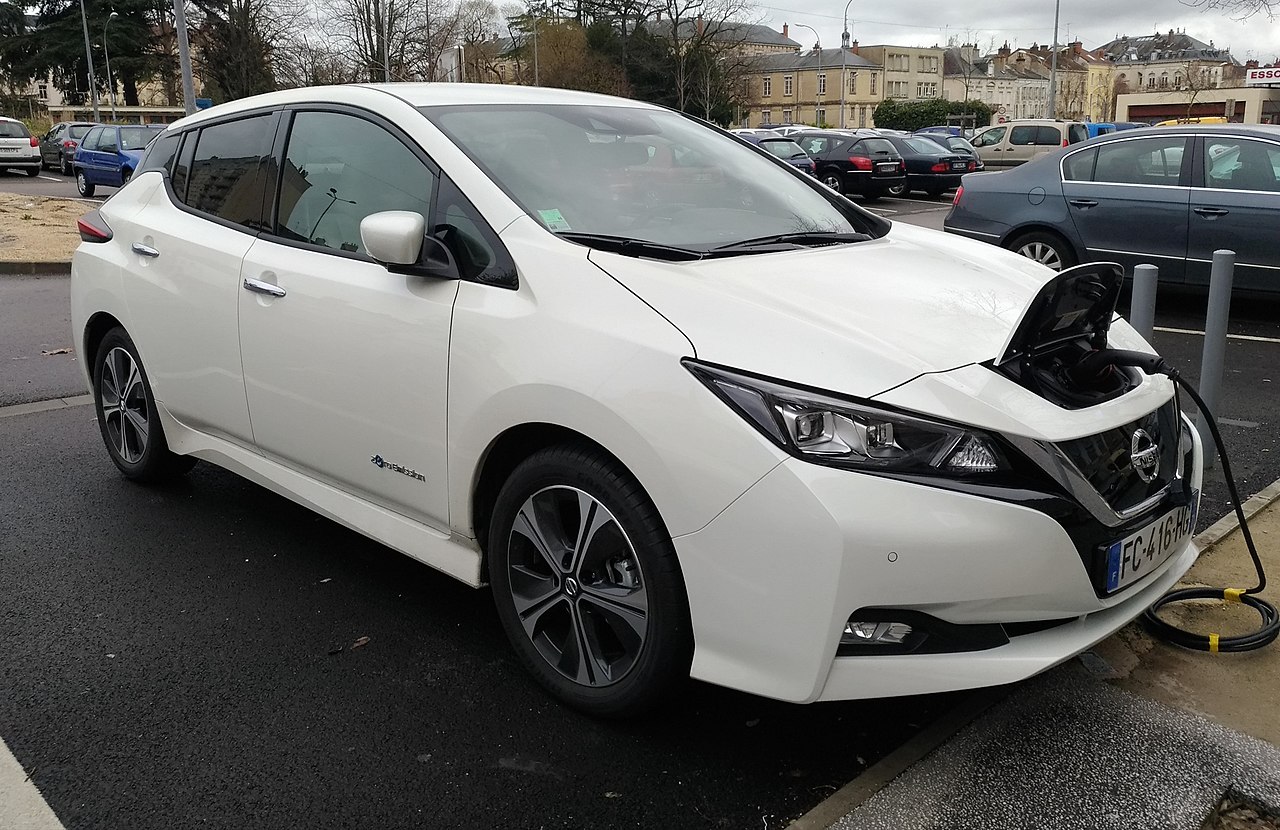
Electric cars use batteries instead of gasoline to power their motors. They are quieter and produce no exhaust fumes. You charge them by plugging them in, just like a phone. Electric cars are becoming more popular as batteries improve and charging stations become more common. They help reduce air pollution.
How Electric Cars Work
An electric car has a large battery pack that stores electricity. When you press the accelerator, electricity flows from the battery to an electric motor that turns the wheels. Electric motors are very efficient and produce instant power. When you brake, the motor can work in reverse and send energy back to the battery.
Benefits of Electric Cars
Electric cars do not produce exhaust, so they do not pollute the air where they drive. They are cheaper to run because electricity costs less than gasoline. They have fewer moving parts, so they need less maintenance. As more electricity comes from solar and wind power, electric cars become even cleaner.
Fun Facts
- The first electric cars were actually built in the 1830s, long before gasoline cars.
- Some electric cars can go from 0 to 60 miles per hour in under 2 seconds.
- Electric cars are much quieter than gasoline cars. They are so quiet that they must make artificial sounds to warn pedestrians.
Did You Know?
Electric cars have a cool feature called regenerative braking. When you slow down or go downhill, the electric motor runs backward and acts like a generator. It turns the energy of the car's motion back into electricity and stores it in the battery. This means the battery charges a little every time you brake!

You finished the article! Great job!