
Wikimedia Commons
Electric Circuits
Electric Circuits
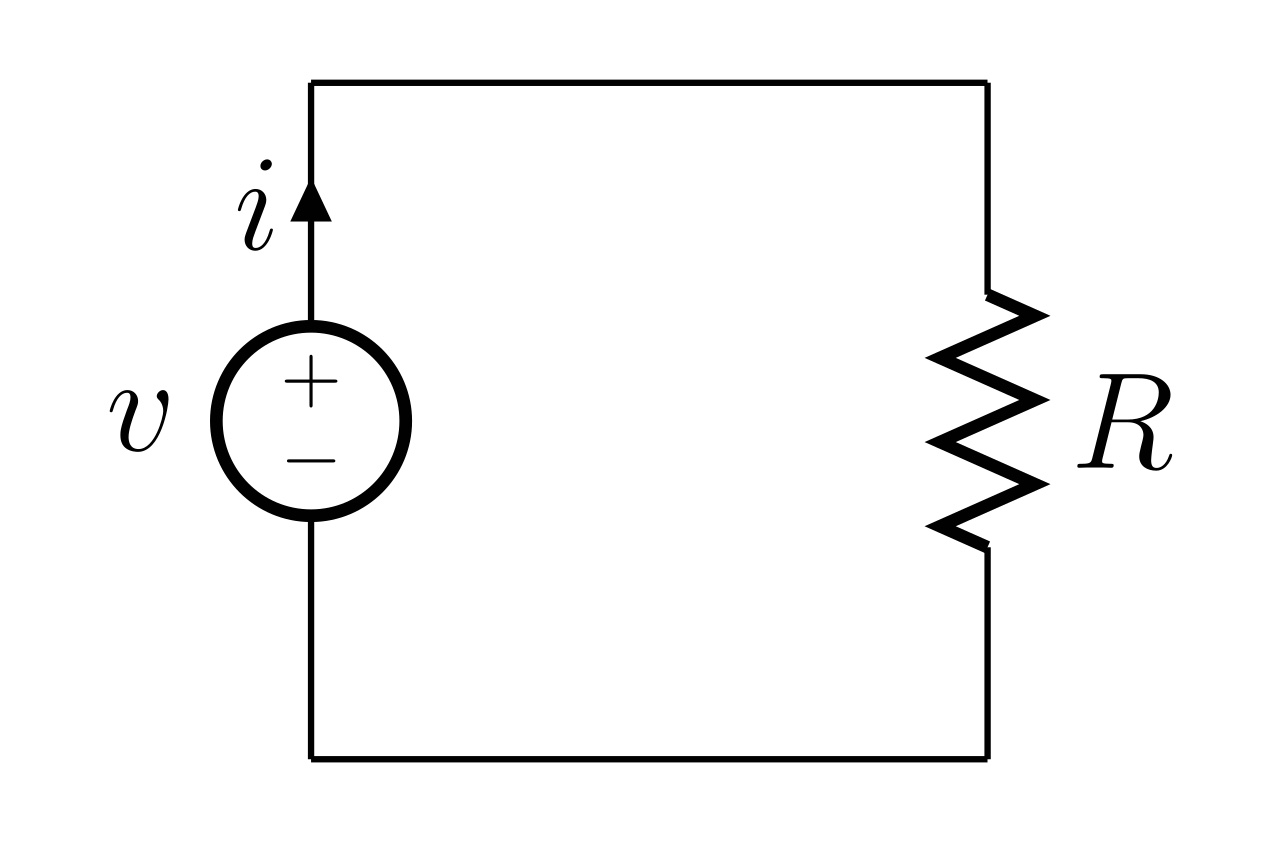
An electric circuit is a loop that electricity travels around. It needs a power source, like a battery, to push the electricity. Wires carry the electricity to something useful, like a light bulb. If the loop is broken, the electricity cannot flow. Circuits are used in almost all electronic devices.
Parts of a Circuit
A simple circuit has three main parts. The power source gives the electricity energy to move. Wires are the roads the electricity travels on. A device like a bulb or motor uses the electricity to do work. A switch can open or close the loop to turn things on or off.
Series and Parallel
There are two main kinds of circuits. In a series circuit, parts are connected in one line. If one bulb goes out, they all go out. In a parallel circuit, each part has its own path. One bulb can go out and the others stay on. Most homes use parallel circuits.
Fun Facts
- The first simple battery was made by Alessandro Volta in 1800.
- The tiny chips inside phones hold billions of tiny circuits.
- Circuits inside computers can be thinner than a human hair.
Did You Know?
The word 'circuit' comes from a Latin word that means 'to go around,' just like how electricity moves in a loop.

You finished the article! Great job!