
George Bannister / Wikimedia Commons
Fire
Fire
Fire looks like a thing you can point to, but it is really a fast chemical reaction called combustion. For fire to happen, fuel, oxygen, and heat must come together. When fuel burns, it releases light, heat, gases, and tiny glowing particles.
Is Fire a Solid, Liquid, or Gas?
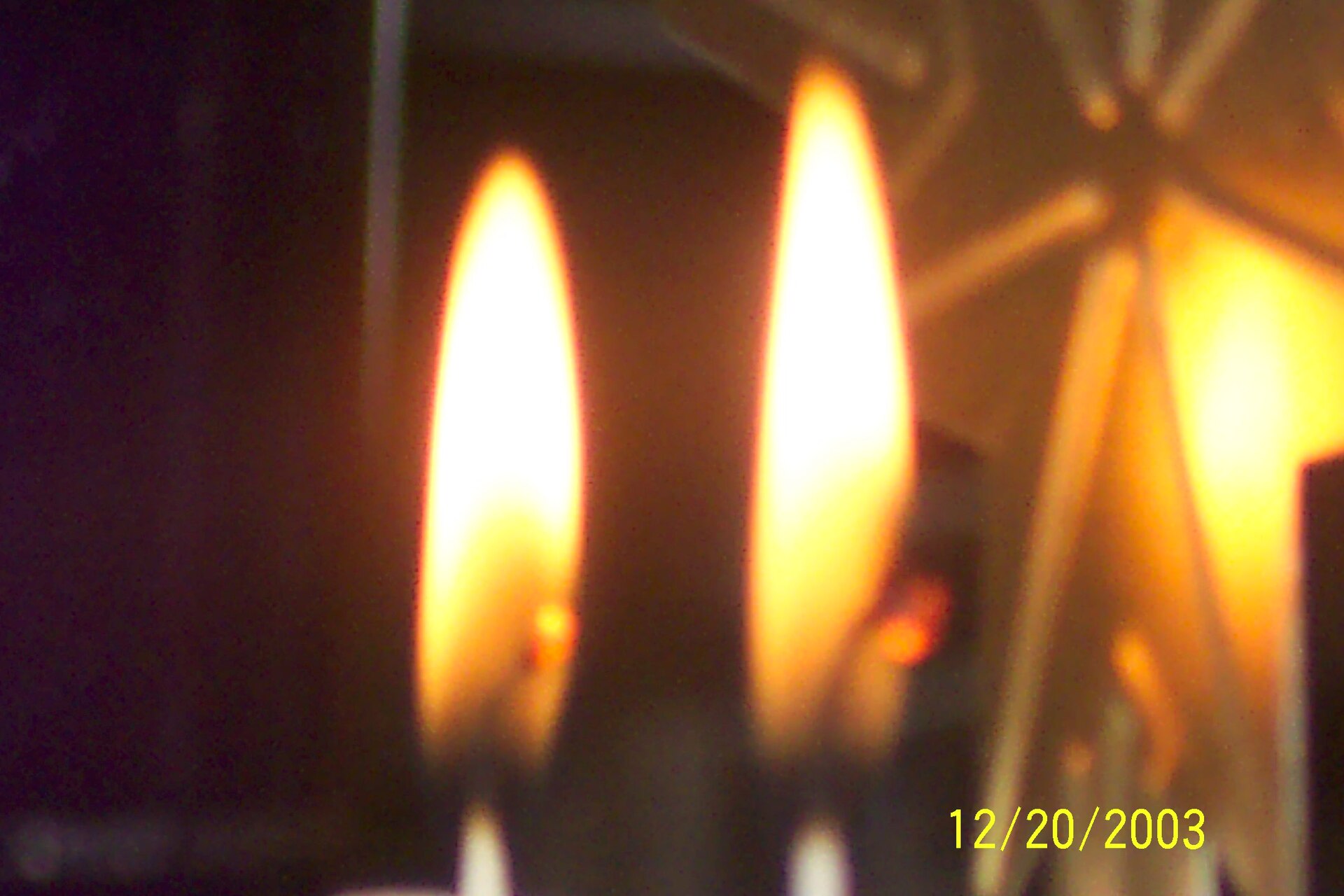
Fire is not exactly a solid, liquid, or gas. A flame is the visible part of a reaction. It includes hot gases and glowing bits of material. Some very hot flames can include plasma-like particles, but an ordinary candle flame is mostly hot gas from burning wax vapor.
Flames and Heat
Different parts of a flame can have different temperatures. In many candle flames, the blue area near the base is one of the hottest parts because that is where oxygen mixes well with fuel vapor. The yellow part glows because tiny soot particles are heated until they shine.
Fire in Human History
Humans may have used fire more than one million years ago. Fire helped people stay warm, scare away animals, cook food, and gather after dark. It also changed technology, from pottery and metalworking to engines and electricity.
Fun Facts
- A fire's crackle can come from trapped water in wood turning to steam and bursting out.
- Piles of oily rags can sometimes heat up and catch fire by spontaneous combustion.
- Fire needs oxygen, so covering a small flame can put it out.
Did You Know?
Fire can be helpful or dangerous. That is why scientists study combustion and firefighters learn how heat, smoke, oxygen, and fuel behave.

You finished the article! Great job!