
Wikimedia Commons
Fog
Fog
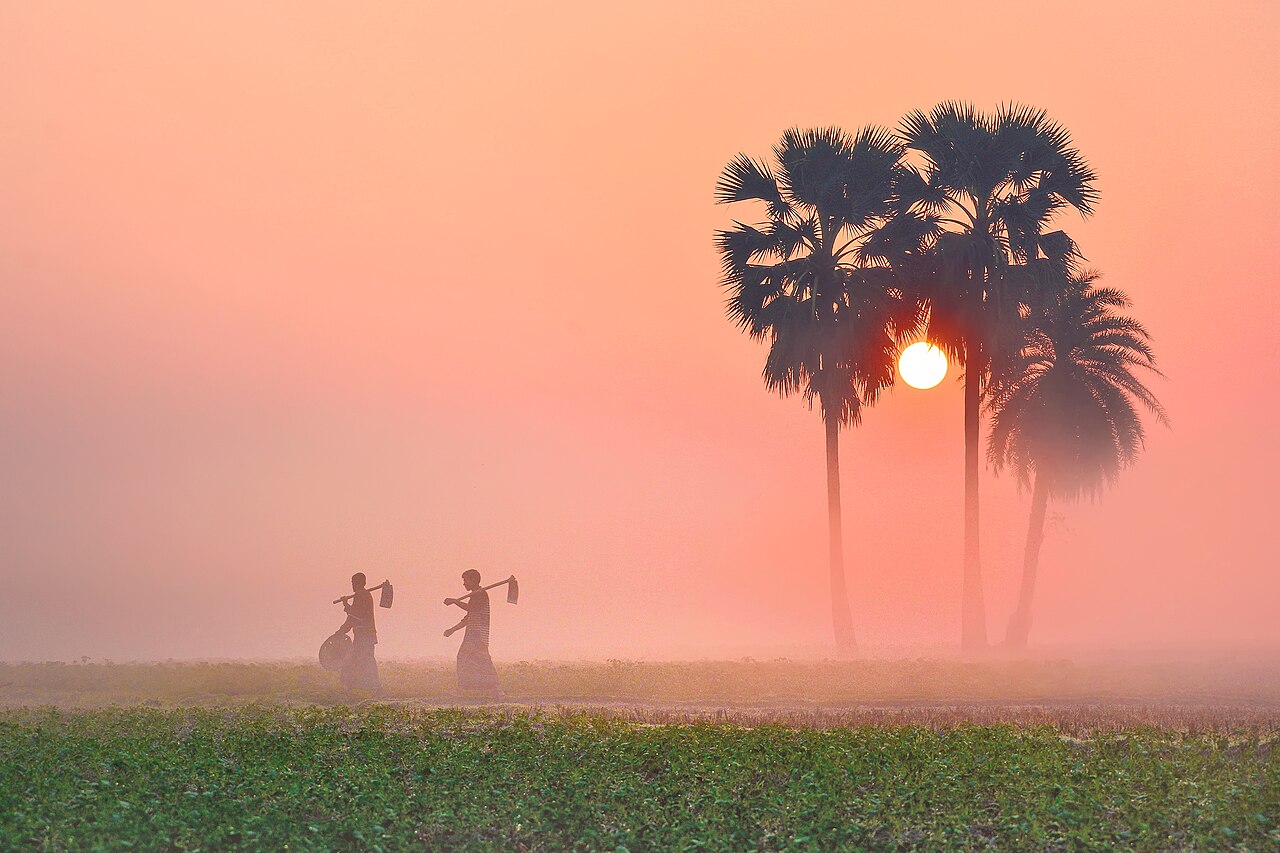
Fog is basically a cloud that touches the ground. It forms when the air near the surface cools down enough for water vapor to condense into tiny droplets. Fog can make it hard to see and is common near coasts, rivers, and valleys. Walking through fog is like walking through a cloud.
How Fog Forms
Fog forms when moist air cools down. This can happen in several ways. Radiation fog forms on clear nights when the ground cools and chills the air above it. Advection fog forms when warm, moist air blows over a cold surface, like cold ocean water. Valley fog forms when cold air sinks into valleys at night.
Fog Around the World
Some places are famous for their fog. San Francisco gets fog when warm inland air meets the cold Pacific Ocean. London was once known for terrible fog mixed with pollution, called smog. The Grand Banks off Newfoundland are one of the foggiest places on Earth because warm and cold ocean currents meet there.
Fun Facts
- The foggiest place in the world is the Grand Banks near Newfoundland, with over 200 foggy days per year.
- Fog catchers are large mesh nets used in dry areas to collect water from fog. Some communities get their drinking water this way.
- Some coastal redwood trees in California get up to 40 percent of their water from fog.
Did You Know?
Fog is so thick with tiny water droplets that some clever inventions collect drinking water from it! In places like the Atacama Desert, giant mesh screens catch fog droplets that drip into a tank. A single fog catcher can collect enough water for a family to drink!

You finished the article! Great job!