
Wikimedia Commons
Fossils
Fossils
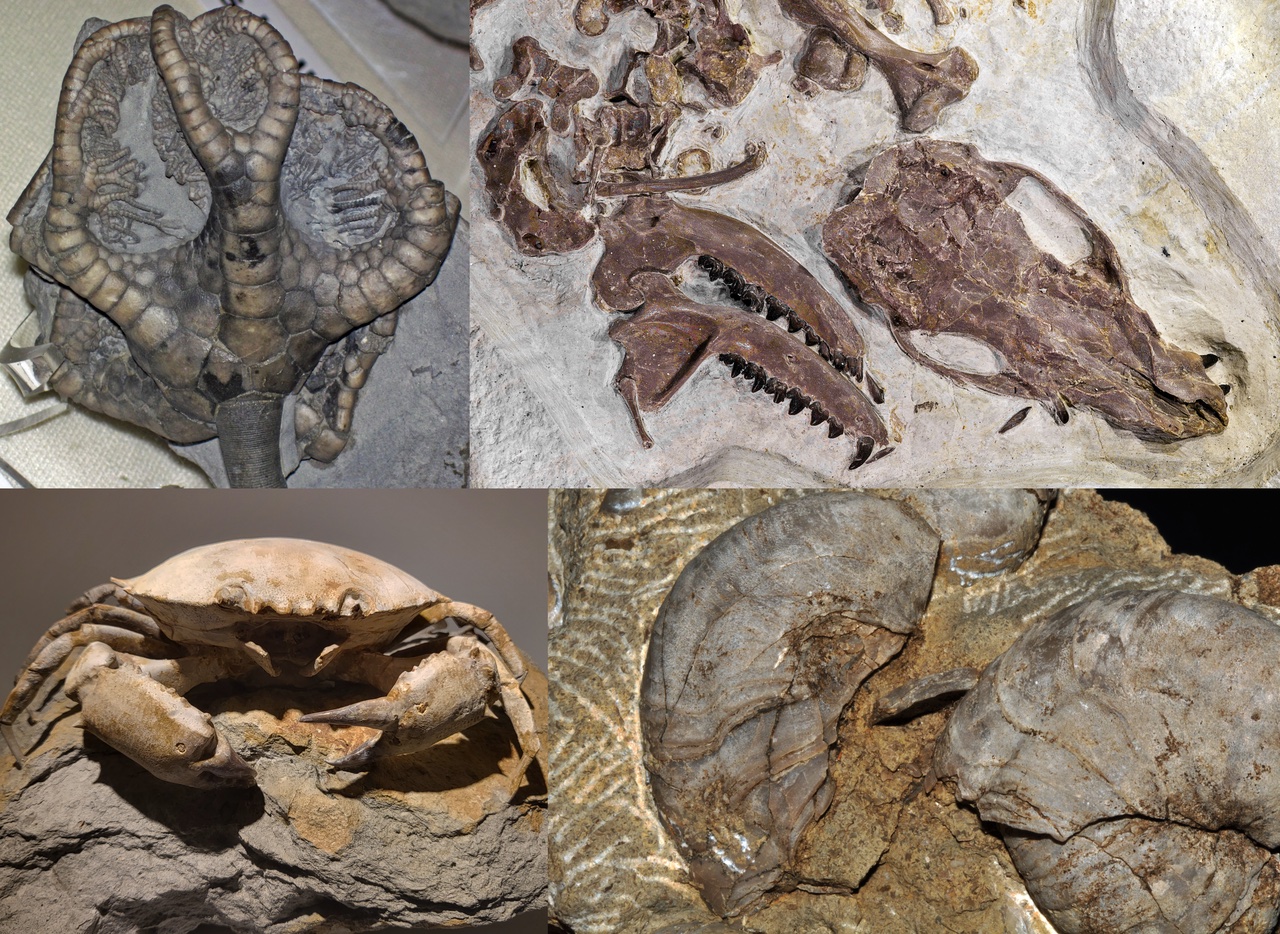
Fossils are like nature's time capsules. They are the remains of plants and animals that lived thousands or millions of years ago, preserved in rock. Fossils tell us about creatures that no longer exist, like dinosaurs. They help scientists understand what life was like in the past and how it has changed over time.
How Fossils Form
When an animal or plant dies, it is usually eaten or rots away. But sometimes it gets buried quickly in mud or sand. Over millions of years, the mud turns to rock. Minerals slowly replace the bones or shells, turning them to stone. Footprints and leaf prints can also become fossils.
What Fossils Tell Us
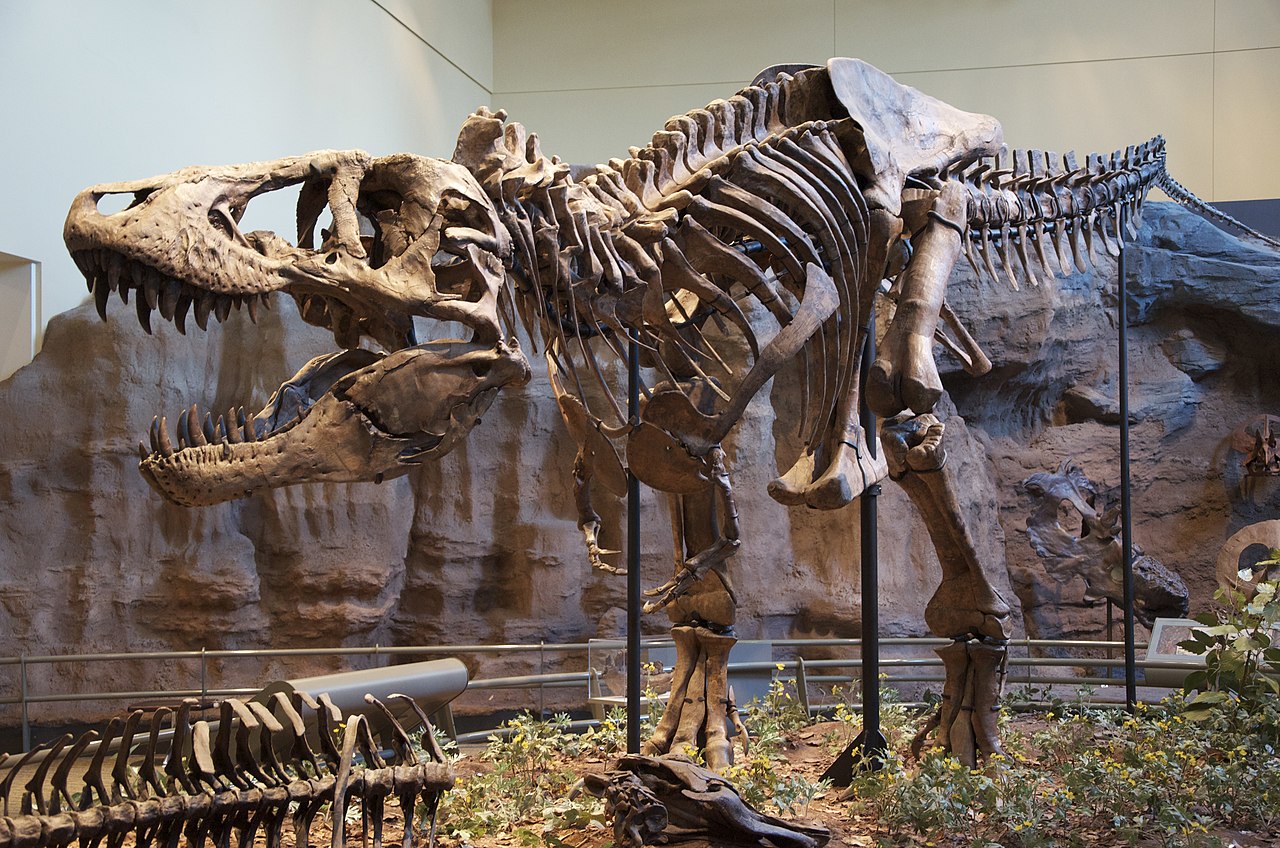
Fossils are clues to the past. They show us what animals looked like and what they ate. Fossils of seashells found on mountains tell us that the land was once underwater. Dinosaur fossils tell us about creatures that lived over 65 million years ago. Scientists who study fossils are called paleontologists.
Fun Facts
- The oldest fossils ever found are about 3.5 billion years old. They are tiny bacteria.
- Amber can preserve insects perfectly. Some amber fossils contain insects that are over 100 million years old.
- Sue the T. rex is the largest and most complete T. rex fossil ever found. She is displayed at the Field Museum in Chicago.
Did You Know?
Sometimes scientists find fossils with soft tissue still preserved inside the bones! In 2005, a T. rex fossil was found with stretchy blood vessels and red blood cells still inside. This 68-million-year-old discovery amazed the scientific world.

You finished the article! Great job!