
Wikimedia Commons
Hail
Hail
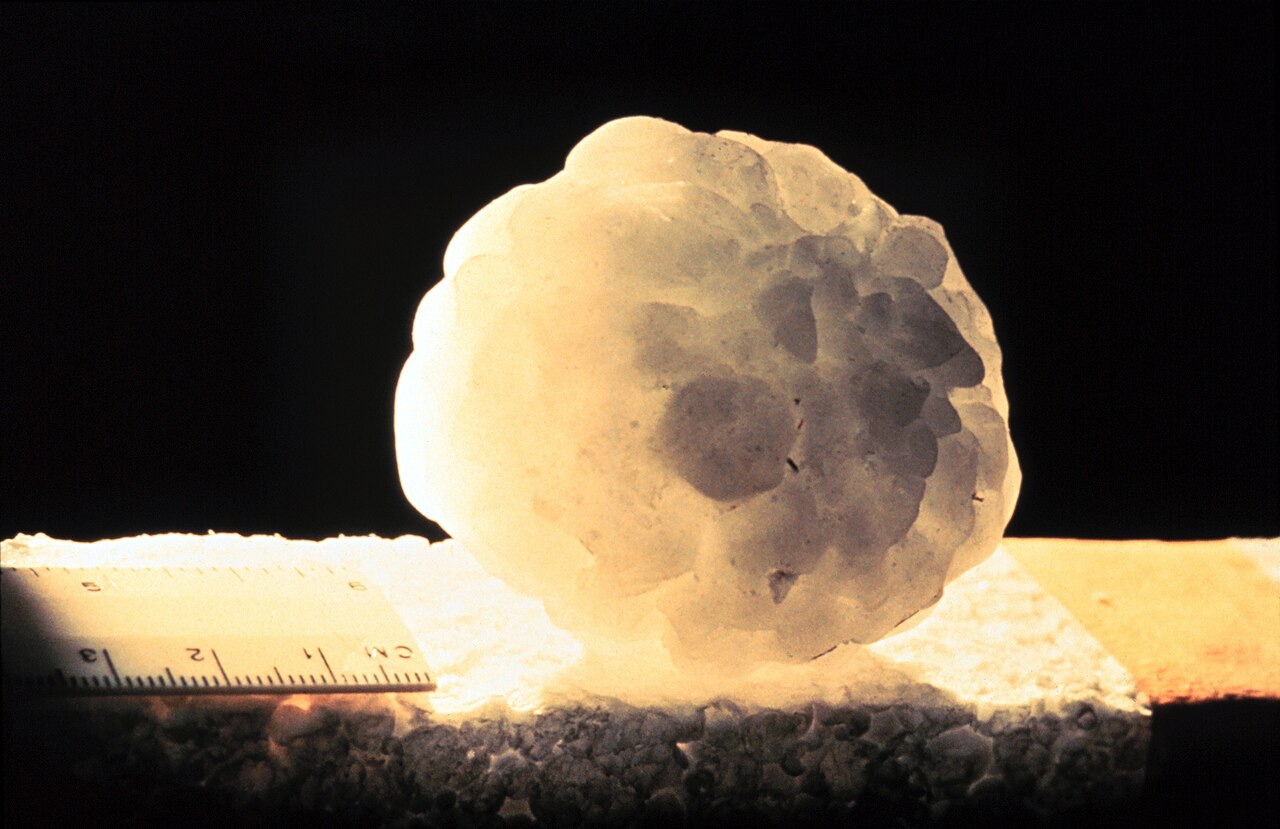
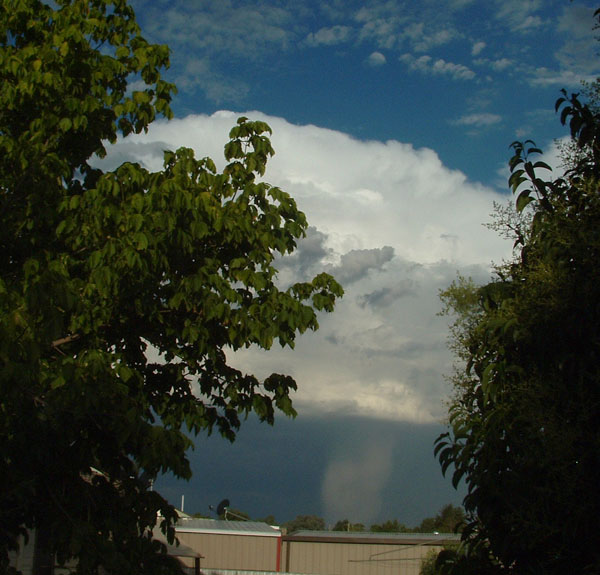
Hail is one of the strangest things that can fall from the sky. These balls of ice form inside powerful thunderstorms. Strong winds inside the cloud push ice balls up and down, adding more layers of ice each time. When the hailstones get too heavy for the wind to hold up, they fall to the ground.
How Hail Forms
Hail starts as a small piece of ice inside a thunderstorm cloud. Strong updrafts of wind blow the ice ball up into the colder parts of the cloud. More water freezes onto it, making it bigger. Then it falls down and gets blown back up again. Each trip adds another layer of ice. Finally it gets too heavy and falls.
Hail Damage
Hail can cause a lot of damage. Small hail the size of peas can damage crops. Golf ball-sized hail can dent cars and break windows. The largest hailstones can be bigger than softballs and very dangerous. Hail causes billions of dollars of damage each year in the United States.
Fun Facts
- The largest hailstone ever found in the U.S. was 8 inches across and weighed nearly 2 pounds. It fell in South Dakota.
- If you cut a hailstone in half, you can see the layers of ice, like rings in a tree trunk.
- Hail is most common in the Great Plains of the United States, especially in spring and summer.
Did You Know?
Hail can fall even on a hot summer day! The inside of a thunderstorm cloud is very cold, even when it is warm on the ground. The top of a big thunderstorm cloud can be as cold as minus 80 degrees Fahrenheit, which is cold enough to freeze water many times over.

You finished the article! Great job!