
Wikimedia Commons
How Speakers Work
How Speakers Work
Speakers turn electrical signals into the music and sounds you hear. Inside every speaker is a magnet and a coil of wire attached to a cone. When electricity flows through the coil, it becomes an electromagnet. The coil pushes and pulls against the permanent magnet, making the cone vibrate and create sound waves.
Inside a Speaker
A speaker has a permanent magnet, a coil of wire, and a flexible cone. The coil is attached to the cone and sits near the magnet. When an electrical audio signal flows through the coil, the coil creates a magnetic field. This field pushes and pulls against the permanent magnet. The coil moves back and forth, making the cone vibrate.
Creating Sound
The vibrating cone pushes air molecules back and forth. This creates sound waves that travel to your ears. The faster the cone vibrates, the higher the pitch of the sound. The bigger the vibrations, the louder the sound. Different speakers are designed for different sound ranges.
Fun Facts
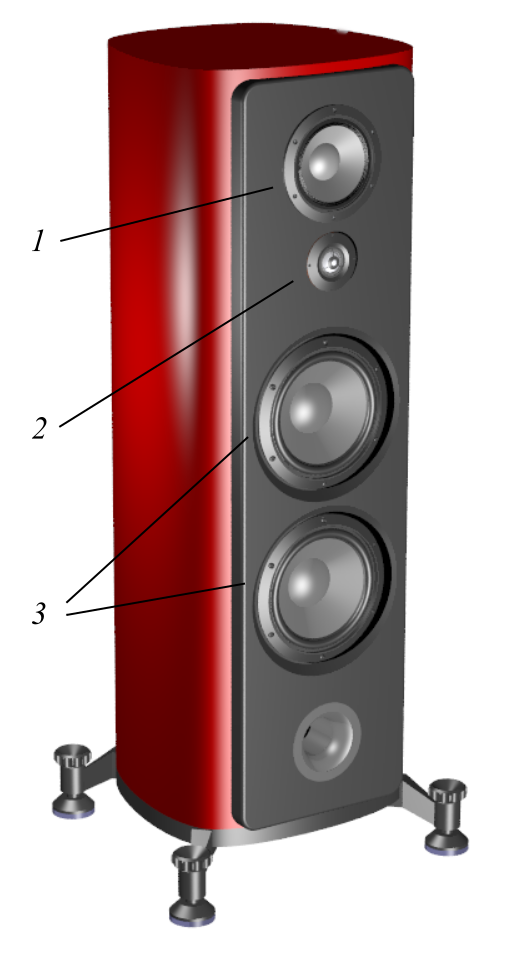
- A tweeter is a small speaker designed for high-pitched sounds. A woofer is a large speaker for low-pitched bass sounds.
- The first loudspeaker was invented in 1876 by Alexander Graham Bell as part of his telephone.
- Noise-canceling headphones use speakers to produce sound waves that cancel out background noise.
Did You Know?
You can turn a speaker into a microphone and a microphone into a speaker. They work on the same principle, just in reverse. A microphone turns sound waves into electrical signals, while a speaker turns electrical signals into sound waves!

You finished the article! Great job!