
Wikimedia Commons
Ice Ages
Ice Ages
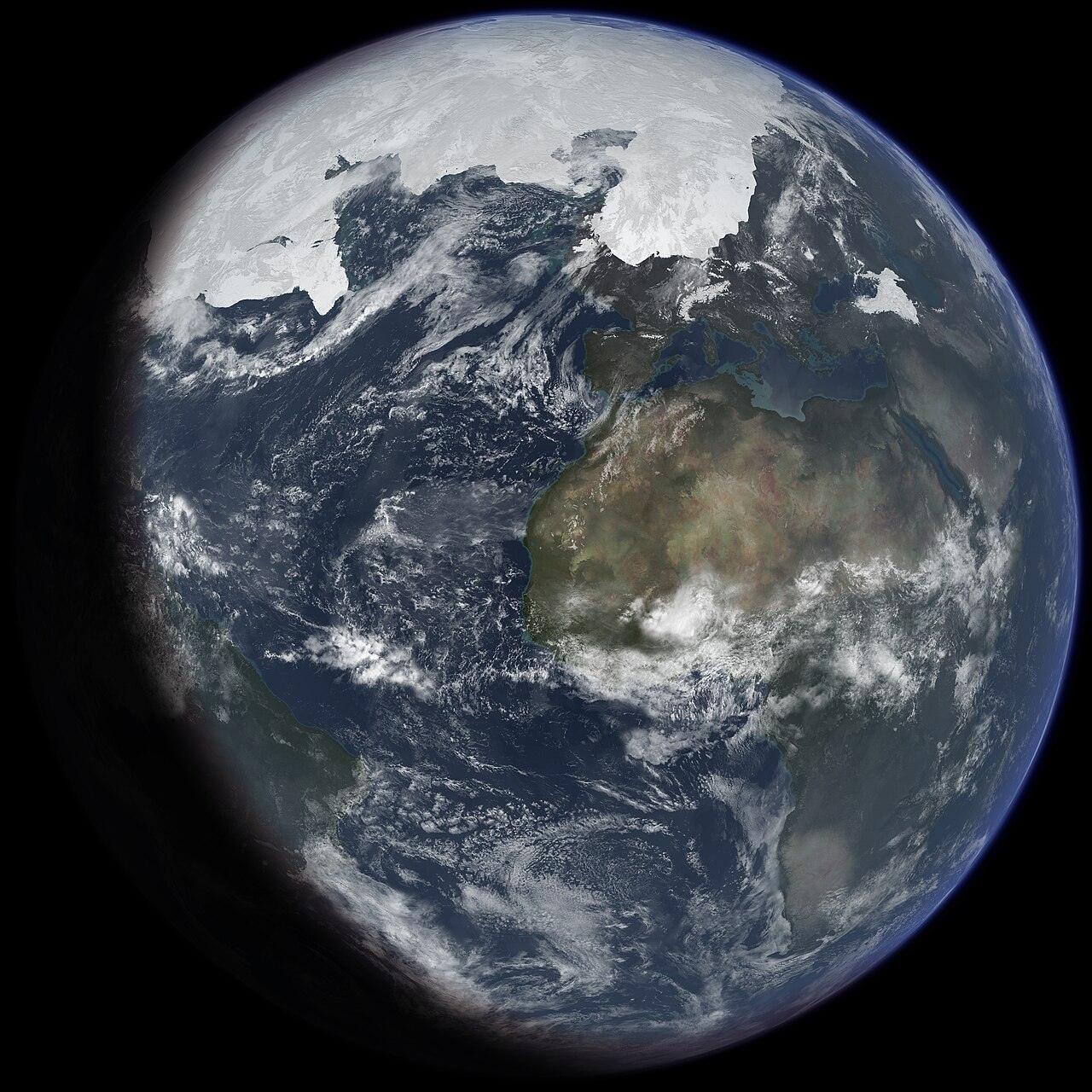
An ice age is a time when Earth gets much colder and huge sheets of ice cover large areas. During the last ice age, ice up to two miles thick covered much of North America and Europe. Woolly mammoths and saber-toothed cats roamed the frozen land. The last ice age ended about 10,000 years ago.
What Causes Ice Ages
Ice ages happen because of changes in Earth's orbit around the Sun. Small wobbles in Earth's tilt and orbit change how much sunlight different parts of Earth receive. Less sunlight means cooler temperatures. When snow builds up faster than it melts, ice sheets start to grow. Ocean currents and volcanic eruptions also play a role.
Effects of Ice Ages
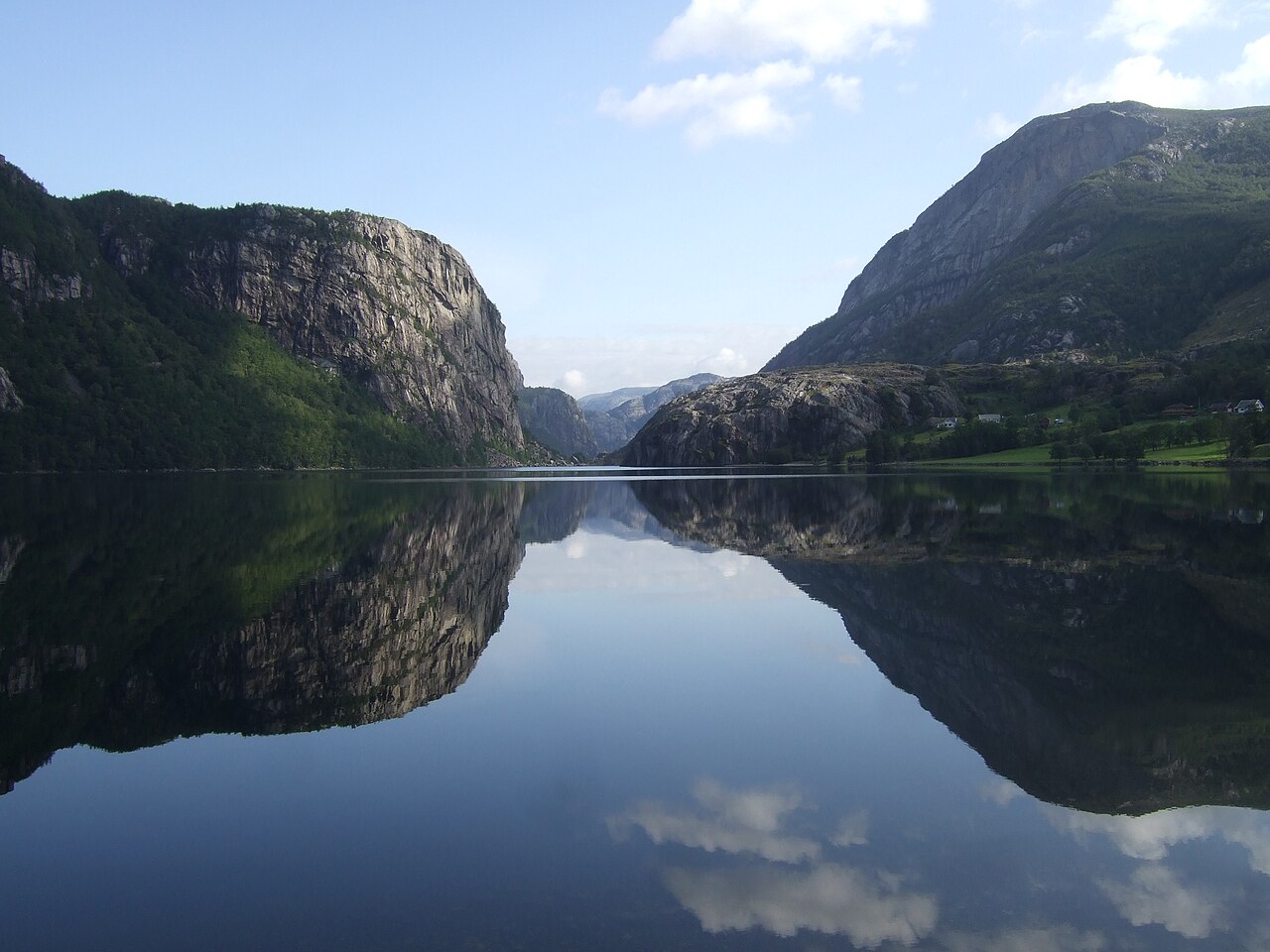
During ice ages, so much water was frozen in ice sheets that sea levels dropped by over 300 feet. Land bridges appeared between continents. People walked from Asia to North America across a land bridge where the Bering Strait is today. When the ice melted, sea levels rose and reshaped the coastlines.
Fun Facts
- During the last ice age, you could walk from England to France because the English Channel was dry land.
- There have been at least five major ice ages in Earth's history.
- The last ice age peaked about 20,000 years ago when ice covered about 30 percent of the land.
Did You Know?
We are technically still in an ice age! Scientists define an ice age as any time there are permanent ice sheets on Earth. Since Antarctica and Greenland are still covered in ice, we are in a warm period within an ice age called an interglacial period.

You finished the article! Great job!