
Jojoo64 / Wikimedia Commons
Ice
Ice
Ice is water in its solid form. It forms when water molecules slow down and lock into a pattern. Most ice on Earth is less dense than liquid water, which is why ice floats in a glass or on a pond.
Freezing Surprises
Water usually freezes at 0 degrees Celsius, or 32 degrees Fahrenheit, but freezing can be affected by air, containers, minerals, and movement. In a surprising effect called the Mpemba effect, hot water can sometimes freeze faster than cold water under certain conditions. Scientists still study exactly why it happens.
Many Kinds of Ice
The ice in a freezer is only one kind. Under different pressures and temperatures, ice can form many crystal structures. Scientists have identified at least nineteen forms of ice. Some can exist deep inside planets or in laboratory experiments.
Ice and Landscapes
Ice can be powerful. Glaciers slowly grind and carve land as they move. Antarctic ice is so heavy that it pushes parts of the continent's land downward. When ice melts, the land can slowly rise again.
Fun Facts
- Dry ice is not frozen water. It is frozen carbon dioxide.
- Dry ice skips the liquid stage and turns straight into gas in a process called sublimation.
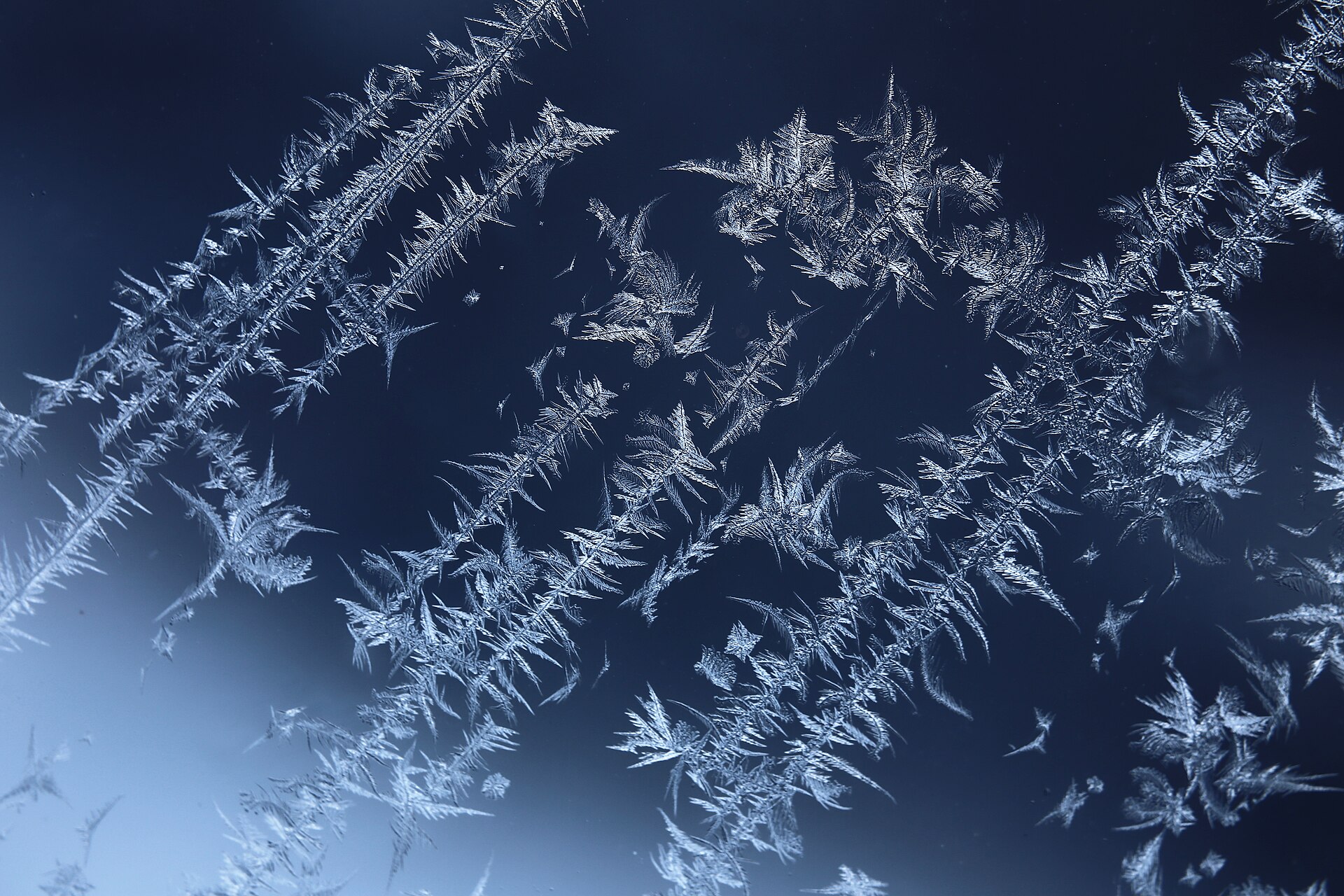
- Frost forms when water vapor changes directly into ice crystals on a cold surface.
Did You Know?
Snowflakes are ice crystals. Their shapes depend on temperature, moisture, and the path they take through clouds.

You finished the article! Great job!